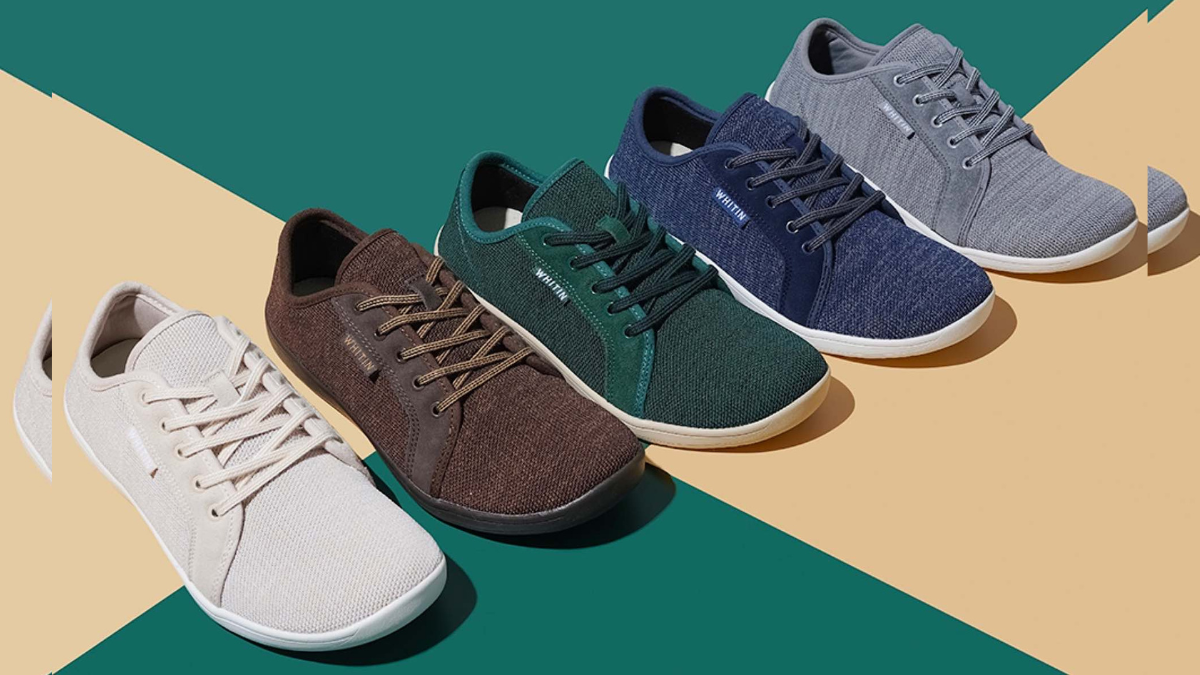
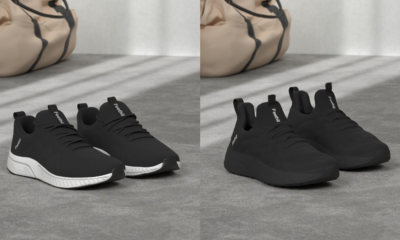
Barefoot shoes have become increasingly popular among people who want footwear that allows their feet to move more naturally. Unlike traditional sneakers, which often have narrow toe boxes, elevated heels, and substantial cushioning, barefoot-style shoes generally emphasize a wider forefoot, flexible construction, and a lower connection to the ground. Among the more affordable options in this category, WHITIN Barefoot Shoes have attracted attention from people looking for minimalist footwear without paying premium-brand prices.
What Are WHITIN Barefoot Shoes?
A footwear brand known for affordable minimalist and barefoot-style shoes. The basic idea behind its barefoot models is to give the foot more room and freedom than many conventional sneakers.
One of the most recognizable characteristics is the wide toe box. Instead of squeezing the toes into a tapered front, the shoe provides additional space so the toes can spread naturally while standing and walking. This feature is particularly attractive to people who find conventional shoes restrictive around the forefoot. Independent reviews have also highlighted WHITIN’s roomy fit as one of its strongest features.
Another important characteristic is the zero-drop design found in many WHITIN minimalist models. Zero drop means there is little or no height difference between the heel and forefoot. This creates a flatter platform compared with traditional running shoes, which frequently have an elevated heel.
However, shoppers should examine the specifications of the individual model carefully. Some include removable insoles, and the insole can change how much cushioning and heel elevation the wearer experiences.
Wide Toe Box for Greater Freedom
The toe box is perhaps the biggest reason people choose barefoot shoes. Many everyday sneakers become narrower toward the toes, which can restrict natural toe movement.
WHITIN’s barefoot-oriented designs aim to provide more room across the front of the foot. This can make the shoes especially appealing to people who prefer a spacious fit or simply dislike the compressed feeling of traditional footwear.
A wider toe box can also be useful during activities where balance matters. When the toes have enough space to spread, the foot has a broader contact area with the ground.
Of course, a wide toe box does not automatically mean that every model will fit every foot. Someone with a narrow heel may find certain WHITIN models too roomy, so checking measurements and customer feedback before buying is important.
Zero-Drop and Minimalist Construction
This differs from conventional athletic shoes, where cushioning and heel elevation can substantially alter the shape of the shoe.
Some models have removable insoles, allowing wearers to choose between a little additional cushioning and a more direct connection with the ground. One independent review measured a WHITIN barefoot sneaker at approximately 12–15 mm of total stack and noted that removing the insole creates a more minimalist experience.
This flexibility makes the shoes versatile for everyday activities, although people seeking an extremely thin, competition-oriented barefoot shoe may prefer a different model.
Comfort for Everyday Wear
One of the biggest strengths is their practicality. Barefoot footwear does not have to be reserved for running or athletic activities. Many models have casual styling that works with jeans, shorts, workout clothing, or everyday outfits.
For walking and standing, the combination of a roomy forefoot and flexible sole can feel comfortable, particularly for people who dislike heavily structured footwear. Reviewers have reported positive experiences using WHITIN shoes for commuting, standing, walking, and casual daily use.
The amount of cushioning varies by model, so buyers should consider where they intend to wear the shoes. A model with a little more sole material may be more comfortable for long periods on concrete, while someone specifically looking for maximum ground feedback may prefer a thinner construction.
WHITIN Shoes for the Gym
Barefoot-style footwear can also be attractive for strength training because a flat sole can provide a stable platform for exercises such as squats and deadlifts.
Offers minimalist cross-training and gym-oriented designs intended for this type of use. Their flexible construction allows the foot to maintain greater contact with the ground than it might inside a highly cushioned running shoe.
However, the shoes are not necessarily the ideal choice for every workout. High-impact running, jumping, or specialized sports may require footwear with additional cushioning, protection, or lateral support. Independent testing of a WHITIN barefoot sneaker found it particularly well suited to daily wear and beginner-level minimalist use rather than demanding athletic performance.
WHITIN for Running and Outdoor Activities
Also produces minimalist trail and running-style shoes. These models typically combine the barefoot-inspired shape with an outsole designed to provide traction.
For light trails, walking, and mixed indoor-outdoor use, this can be a useful combination. A flexible outsole allows natural foot movement while still protecting the sole of the foot from rough surfaces.
However, barefoot running should not be approached like conventional running. Someone accustomed to thick, highly cushioned shoes may need time to adapt. Switching immediately to minimalist shoes and maintaining the same running distance can place substantially different demands on the feet and lower legs.
For this reason, beginners should start gradually, use short sessions, and increase their mileage slowly.
Pros of WHITIN Barefoot Shoes
First, the price is attractive. Independent reviews have frequently identified WHITIN as one of the more affordable ways to experiment with minimalist footwear, with some models selling around the $40–$50 range depending on the model and retailer.
Second, the toe box is spacious. This is one of the most important characteristics for shoppers who want their toes to have more room.
Third, many models are flexible. Flexibility can contribute to a more natural-feeling walking experience and makes the shoes useful for casual movement and training.
Fourth, some models have removable insoles. This gives users the option of keeping some cushioning or removing the insole for a more minimalist feel.
They offers several styles, meaning buyers do not necessarily have to choose between minimalist function and an everyday appearance.
Potential Disadvantages
Durability can vary between models. One independent review praised the overall value but noted that outsole durability and quality consistency could be concerns.
Fit can also be an issue. The roomy forefoot that benefits wide-footed users may feel excessively loose for someone with narrow feet. Some reviewers also recommend paying close attention to sizing because WHITIN models can differ in fit and construction.
Another consideration is cushioning. People accustomed to thick, soft running shoes may initially find minimalist shoes surprisingly firm. This is not necessarily a defect—it is part of the barefoot concept—but it can take time to adapt.
Are WHITIN Barefoot Shoes Worth Buying?
For many beginners, they represents an appealing entry point into barefoot footwear. The combination of a wide toe box, flexible construction, minimalist styling, and relatively affordable pricing makes the brand accessible to people who are curious about barefoot shoes but do not want to spend heavily on their first pair.
They are particularly suitable for everyday walking, casual use, gym training, and people interested in experimenting with a more spacious foot shape. Independent reviews have similarly identified WHITIN as a strong budget option for barefoot beginners and everyday wear.
They may be less appropriate for someone who wants maximum cushioning, substantial arch support, or the specialized construction of a premium performance running shoe.
Final Thoughts
Offer a practical and affordable way to explore minimalist footwear. Their wide toe boxes, flexible soles, and zero-drop designs appeal to people who want more room for their toes and a closer connection with the ground.
The brand’s biggest advantage is arguably its value. Buyers can experiment with barefoot-style footwear without making the larger investment associated with many premium minimalist brands.
Still, choosing the right model matters. Consider your foot width, intended activity, desired level of cushioning, and how quickly you want to transition into minimalist footwear. If you are new to barefoot shoes, start with everyday walking and short periods of use rather than immediately replacing all of your conventional footwear.
Ultimately, WHITIN barefoot shoes are best viewed as an affordable introduction to minimalist footwear. They may not provide the refinement or consistency of every premium competitor, but for people seeking a spacious, flexible, budget-friendly shoe, it can be a compelling option.