Toothpaste is one of the most familiar products in any bathroom, but choosing the right one can be surprisingly complicated. Store shelves are filled with formulas promising whitening, cavity protection, fresh breath, gum care, sensitivity relief, and other benefits. With so many choices available, it can be difficult to know which features actually matter.
Although toothpaste is only one part of oral hygiene, choosing an appropriate formula and using it correctly can support a healthy daily dental routine. Understanding the different types of toothpaste, their common ingredients, and their purposes can make the decision much easier.
Why Toothpaste Matters
Brushing removes food particles, plaque, and other debris from the surfaces of the teeth. Toothpaste helps make this process more effective by providing ingredients designed to clean the teeth and support oral health.
Many conventional toothpastes contain fluoride, an important ingredient for cavity prevention. Fluoride helps strengthen tooth enamel and makes teeth more resistant to the acids that contribute to tooth decay.
Toothpaste can also contain mild cleaning agents that help remove deposits and surface stains. Other formulas may include ingredients intended to address sensitivity, freshen breath, or provide additional support for specific oral-care concerns.
However, toothpaste cannot replace good brushing technique, cleaning between the teeth, regular dental visits, or other healthy habits.
Fluoride Toothpaste
For many people, fluoride is one of the most important features to look for in toothpaste. Fluoride has a well-established role in preventing cavities and supporting tooth enamel.
When choosing toothpaste for everyday use, consumers should check the label to determine whether it contains fluoride and follow the directions provided by the manufacturer or dental professional.
The appropriate toothpaste can vary according to age and individual circumstances. Parents should pay particular attention to children’s toothpaste instructions because young children may swallow toothpaste while learning to brush.
If you are unsure which fluoride toothpaste is appropriate, a dentist can provide personalized advice.
Whitening Toothpaste
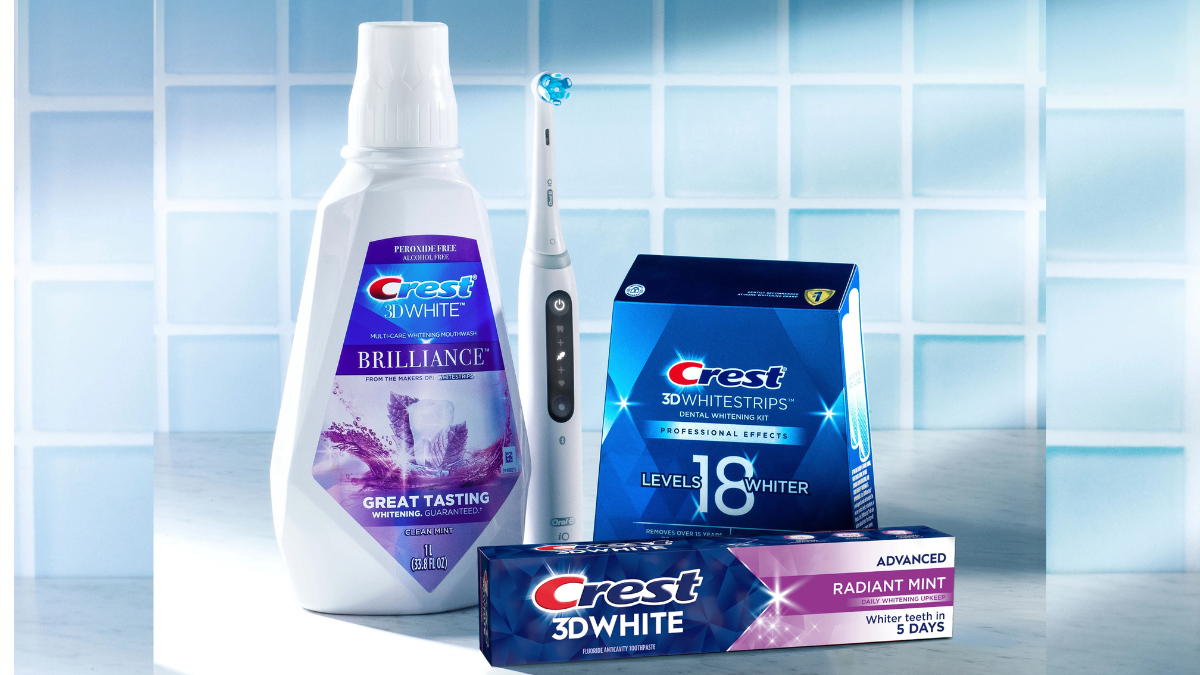
Whitening toothpaste is popular among people who want a brighter-looking smile. These products are generally designed to help remove surface stains that can make teeth appear darker or less bright.
Common sources of surface stains include coffee, tea, certain foods, and other strongly colored substances. Regular brushing with a whitening toothpaste can help keep these stains under control.
It is important to have realistic expectations, however. Whitening toothpaste primarily works on surface discoloration. It does not necessarily change the natural color of teeth in the same way as professional bleaching treatments.
People with significant discoloration should consider discussing their options with a dentist before beginning a more intensive whitening treatment.
Toothpaste for Sensitive Teeth
Tooth sensitivity can occur when certain parts of a tooth become more exposed or vulnerable to external stimuli. Hot, cold, sweet, or acidic foods and beverages can sometimes trigger temporary discomfort.
Toothpaste formulated for sensitive teeth may contain ingredients designed to help reduce sensitivity with regular use. Different formulas work in different ways, so it may take time to determine which product works best for an individual.
Persistent or severe sensitivity should not simply be treated by changing toothpaste. Sensitivity can sometimes be associated with cavities, worn enamel, gum recession, cracks, or other dental problems.
A dental examination can help identify the cause and determine the most appropriate treatment.
Toothpaste for Gum Care
Healthy gums are an important part of overall oral health. Plaque can accumulate along the gumline, and inadequate oral hygiene can contribute to gum inflammation.
Some toothpaste products are marketed specifically for gum care and may include ingredients intended to help control plaque or support gum health.
Regardless of the toothpaste used, brushing gently along the gumline and cleaning between the teeth remain essential. Floss, interdental brushes, or other cleaning tools can help reach areas that a toothbrush cannot clean effectively.
If gums regularly bleed, swell, become painful, or appear unusually red, it is advisable to seek professional dental advice.
Fresh-Breath Toothpaste
Fresh breath is another common reason people choose a particular toothpaste. Mint and other flavoring ingredients can provide a fresh sensation after brushing.
However, toothpaste that makes the mouth feel fresh does not necessarily address every cause of bad breath. Persistent bad breath can be associated with oral hygiene problems, gum disease, dry mouth, certain foods, or other conditions.
Regular brushing, cleaning the tongue, drinking adequate water, and cleaning between the teeth can all contribute to better oral hygiene. Persistent odor should be discussed with a dental professional.
Understanding Toothpaste Ingredients
Reading a toothpaste label can provide useful information about what a product is designed to do. Ingredients vary between formulas, but many toothpastes contain a combination of cleaning agents, humectants, flavoring ingredients, binders, and active ingredients.
Fluoride is commonly included for cavity protection. Abrasive ingredients may help clean the tooth surface and remove stains. Flavoring agents contribute to taste and freshness.
Some toothpastes also contain ingredients designed for sensitivity, tartar control, whitening, or other specific purposes.
Consumers with allergies or sensitivities should carefully review ingredient lists. If a particular toothpaste causes irritation or discomfort, discontinuing use and consulting a dental professional may be appropriate.
How Much Toothpaste Should You Use?
Using a large amount of toothpaste does not necessarily provide better cleaning. More important than the quantity is brushing thoroughly and using the correct technique.
Adults and older children can generally follow the amount recommended on their toothpaste packaging or by their dentist. Young children require particular attention because swallowing fluoride toothpaste can be harmful in excessive amounts.
Parents can help children develop good brushing habits by supervising them and teaching them not to swallow toothpaste.
Brushing Technique Matters
Even the best toothpaste cannot compensate for poor brushing technique. A toothbrush should be moved gently across all tooth surfaces, including the front, back, and chewing surfaces.
Brushing too aggressively can irritate the gums and contribute to enamel wear over time. Gentle, controlled movements are generally preferable to forceful scrubbing.
Brushing for approximately two minutes twice a day is a common recommendation for maintaining good oral hygiene. Cleaning between the teeth is also important because toothbrush bristles cannot reach every area.
Electric and manual toothbrushes can both be effective when used correctly.
Choosing Toothpaste for Children
Children have different oral-care needs depending on their age and stage of development. Parents should choose products specifically appropriate for their child’s age and follow the manufacturer’s directions.
Young children may be more likely to swallow toothpaste, which is why supervision is important. Parents can also teach children how to spit out toothpaste rather than swallowing it.
A pediatric dentist or other dental professional can provide guidance about fluoride use and the most appropriate toothpaste for a child.
Natural and Specialty Toothpastes
Some consumers prefer toothpastes marketed as natural, herbal, or free from particular ingredients. These preferences can be perfectly reasonable, but marketing terms should not be confused with evidence of effectiveness.
When choosing a toothpaste, it is useful to focus on the specific benefits that matter most. For someone primarily concerned about cavity prevention, fluoride may be an important consideration. Someone with sensitivity may prioritize a toothpaste designed for that concern.
Consumers should also remember that “natural” does not automatically mean safer or more effective. The overall formulation and the individual’s needs are more important than marketing language alone.
How Often Should You Change Toothpaste?
There is generally no need to change toothpaste simply because you have been using the same product for a long time. If a toothpaste works well and meets your oral-care needs, it can remain part of your routine.
A change may make sense if your dental needs change. For example, someone who develops tooth sensitivity may want to try a sensitivity-focused formula. A dentist may also recommend a specific toothpaste following a dental examination.
Changing toothpaste should not be viewed as a substitute for professional treatment when an oral-health problem is present.
Choosing the Right Toothpaste for Your Needs
The best toothpaste is not necessarily the most expensive or the one with the longest list of features. Instead, it should match your individual needs.
For general cavity prevention, a fluoride toothpaste is a common choice. For surface stains, a whitening formula may be appropriate. For sensitivity, a toothpaste specifically designed for sensitive teeth may be helpful. People with particular dental conditions should follow the advice of their dentist.
Other considerations include flavor, texture, ingredients, price, packaging, and personal preferences.
It can also be useful to avoid switching between numerous products simply because of advertising claims. Understanding the purpose of a toothpaste makes it easier to choose based on practical needs rather than marketing alone.
Final Thoughts
A simple product, but it plays an important role in many people’s daily oral-care routines. From fluoride formulas that support cavity prevention to whitening and sensitivity products, there are options designed for a wide range of needs.
The most important thing is to choose a toothpaste that is appropriate for your age and dental situation and use it consistently with good brushing technique. Regular cleaning between the teeth, healthy dietary habits, and professional dental care are equally important.
If you experience persistent pain, sensitivity, bleeding gums, bad breath, discoloration, or other changes in your mouth, toothpaste alone may not solve the problem. A dentist can identify the underlying cause and recommend appropriate care.
Ultimately, choosing toothpaste does not have to be complicated. Look for a formula suited to your needs, understand its key ingredients, follow the directions, and make consistent oral hygiene a daily habit. A thoughtful toothpaste choice, combined with proper brushing and regular dental care, can help support a cleaner and healthier smile for years to come.