Moisturizer is one of the most common and useful products in a skincare routine. It helps support the skin barrier, reduce the feeling of dryness, and leave the skin feeling softer and more comfortable. With many formulas available for different skin types and skincare goals, choosing the right facial moisturizer can sometimes feel overwhelming.
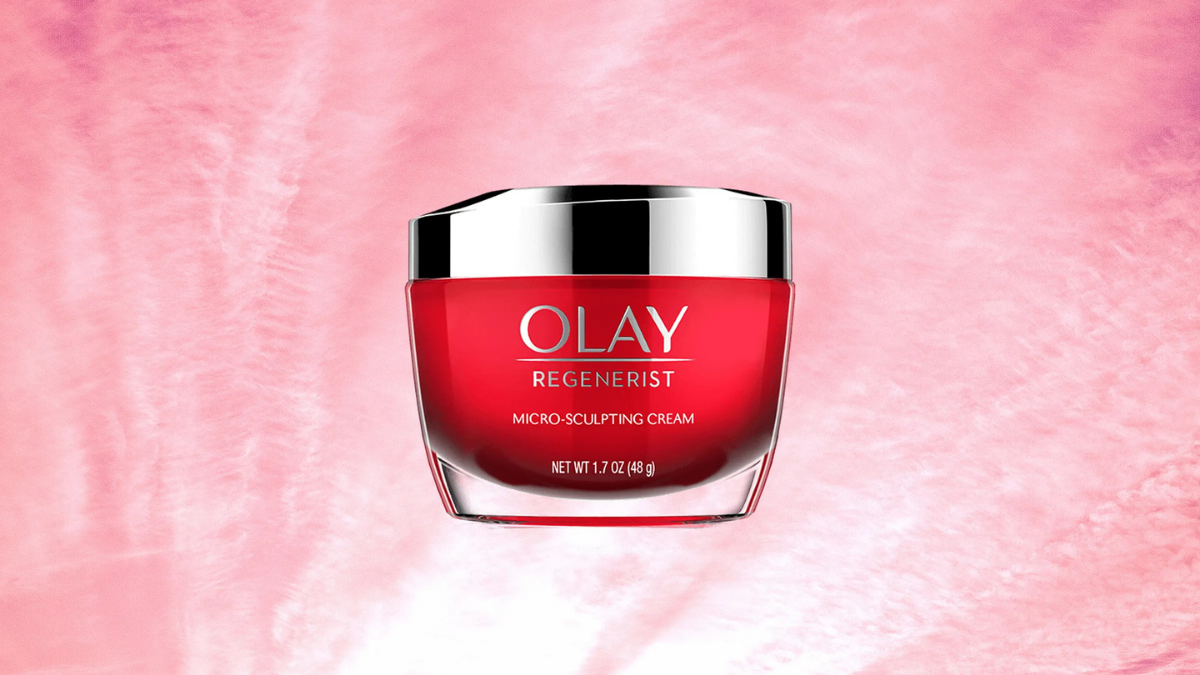
Olay Face Moisturizer is a broad category rather than one single formula. They offers different moisturizers designed for concerns such as dryness, dull-looking skin, visible signs of aging, and uneven texture. Formulas can differ substantially, so consumers should check the specific product label for its ingredients and intended use.
What Is Olay Face Moisturizer?
A skincare brand with a wide range of facial care products. Its moisturizers are designed to provide hydration while, depending on the particular formula, offering additional skincare benefits.
These are lightweight and designed for daytime use, while others are richer and intended for nighttime routines. Certain products may also contain ingredients such as niacinamide, hyaluronic acid, peptides, or retinoid-related ingredients.
Because formulations change and different products have different purposes, it is important to select a moisturizer based on its actual ingredient list rather than assuming every Olay product works in the same way.
Why Is Facial Moisturizer Important?
The skin naturally contains water and oils that contribute to its protective barrier. Cleansing, weather conditions, low humidity, and other environmental factors can sometimes leave skin feeling dry or tight.
A moisturizer can help improve the skin’s feel by supplying hydrating ingredients and reducing moisture loss. Regular moisturizing may also make the skin feel smoother and more comfortable.
Moisturizer is particularly useful for people who experience dryness, but even individuals with combination or oily skin may benefit from an appropriately formulated product.
Different Types of Olay Moisturizers
They offers various moisturizer formulas, and each can serve a somewhat different purpose.
Lightweight Moisturizers
Lightweight formulas can be appealing to people who dislike a heavy or greasy feeling. They may work well during warmer weather or for people with combination or oily skin.
A lighter moisturizer can also fit conveniently underneath makeup or sunscreen, depending on the formula.
Rich Moisturizers
Richer creams can be useful for people whose skin feels dry or uncomfortable. They often have a thicker texture and may be particularly appealing for nighttime use.
However, richer does not necessarily mean better. People with oily or acne-prone skin may prefer a lighter texture.
Moisturizers With Additional Skincare Ingredients
Combine hydration with ingredients intended to address specific cosmetic concerns. For example, certain products contain niacinamide, peptides, or other ingredients commonly used in skincare.
Consumers should examine the product label to understand which ingredients are present and what the manufacturer recommends the product for.
Choosing a Moisturizer for Your Skin Type
This is an important consideration when selecting a facial moisturizer.
People with dry skin often prefer creams with richer textures and ingredients designed to support hydration.
Those with oily skin may prefer lightweight lotions or gel-like formulas that feel less heavy.
Combination skin can benefit from a balanced formula that provides hydration without feeling excessively greasy.
Sensitive skin may require a simpler approach. Fragrance and certain active ingredients can irritate some individuals, so reading the ingredient list and introducing new products gradually can be helpful.
Skin type can also change with weather, age, hormones, and other factors, so the ideal moisturizer may change over time.
How to Use Olay Face Moisturizer
Using facial moisturizer is generally simple. After cleansing, apply an appropriate amount of moisturizer to the face and neck if desired, following the product’s instructions.
Moisturizer can usually be applied while the skin is clean. Some people prefer applying it when the skin is slightly damp because this can make the product feel easier to spread.
During the daytime, moisturizer can be followed by sunscreen when the moisturizer itself does not already provide appropriate sun protection.
At night, moisturizer can be the final step of a routine or applied after other skincare products according to their directions.
Moisturizer and the Skin Barrier
The skin barrier helps protect the body from environmental factors and helps limit excessive water loss. When the barrier is compromised, skin may feel dry, rough, tight, or irritated.
Moisturizing is one way to support comfortable skin. Ingredients such as humectants, emollients, and occlusive agents can work in different ways to improve hydration and reduce moisture loss.
A well-formulated moisturizer can therefore be useful as part of a basic skincare routine, even when someone is not trying to address a specific cosmetic concern.
Olay Moisturizer and Anti-Aging Skincare
These are marketed toward visible signs of aging, such as fine lines, uneven-looking texture, or loss of firmness.
Certain formulations may contain ingredients commonly used in anti-aging skincare. For example, niacinamide and peptides are found in various skincare products, while some Olay products use retinoid-related ingredients.
Results from skincare products vary, and expectations should remain realistic. No moisturizer can stop the natural aging process. Consistent skincare, sun protection, adequate sleep, and healthy lifestyle habits can all contribute to maintaining healthy-looking skin.
The Importance of Sun Protection
Moisturizer and sunscreen serve different purposes. A moisturizer primarily supports hydration and skin comfort, while sunscreen helps protect against ultraviolet radiation.
Some facial moisturizers include sunscreen, but consumers should check the product’s specific sun-protection rating and directions.
If a moisturizer does not provide adequate sun protection, a separate broad-spectrum sunscreen may be appropriate during daytime outdoor exposure.
Sun protection is particularly important for people concerned about premature visible skin aging and uneven pigmentation.
Can Moisturizer Help Dry Skin?
A suitable moisturizer can help relieve the feeling of dryness by improving hydration and supporting the skin barrier.
However, persistent or severe dryness can sometimes be related to an underlying skin condition or environmental factor. If dry, cracked, painful, or irritated skin does not improve with basic skincare, consulting a dermatologist may be appropriate.
Applying moisturizer consistently can be more useful than using a large amount only occasionally.
Using Moisturizer With Other Skincare Products
A moisturizer can be combined with other skincare products, but routines do not need to contain many steps.
A simple routine might include cleanser, moisturizer, and daytime sunscreen. Additional products can be added based on individual preferences and specific skincare goals.
When using active ingredients such as exfoliating acids or retinoids, people should pay attention to how their skin responds. Combining several strong products at once can increase the likelihood of irritation.
Introducing new products one at a time can make it easier to identify which product is causing a reaction if irritation occurs.
How Much Moisturizer Should You Use?
The appropriate amount depends on the product, skin type, and area being covered. Using too little may not provide adequate coverage, while using excessive amounts can feel heavy.
The product’s instructions are the best starting point. Users can adjust the amount based on how their skin feels and how evenly the product spreads.
Moisturizer should generally be applied evenly rather than concentrated heavily in one area.
Storing Your Moisturizer
Proper storage can help maintain product quality. Most facial moisturizers should be kept in a cool, dry place and protected from excessive heat.
Containers should be closed securely after use to reduce exposure to air and contamination.
Consumers should also pay attention to changes in smell, color, texture, or appearance. If a product appears significantly different from when it was first opened, it may be time to replace it.
Patch Testing New Skincare Products
When introducing a new skincare product, especially one containing active ingredients, patch testing can be a useful precaution.
Apply a small amount to a limited area according to appropriate skincare guidance and observe how the skin responds. If significant redness, burning, swelling, or other concerning symptoms occur, stop using the product.
People with known skin conditions or significant sensitivity may benefit from consulting a dermatologist before introducing new active skincare products.
Final Thoughts
The products provide a variety of options for people looking to add hydration and skin-comfort support to their routines. Because they offers multiple formulas, selecting the right product requires considering skin type, texture preferences, ingredients, and specific skincare goals.
A lightweight moisturizer may suit oily or combination skin, while a richer cream may be more appealing for dry skin. Products containing additional active ingredients may be appropriate for particular cosmetic concerns, but they should be introduced thoughtfully.
The foundation of a good skincare routine does not have to be complicated. Gentle cleansing, regular moisturizing, and appropriate daytime sun protection can provide a simple starting point for many people.