There is something special about the aroma of freshly baked bread filling a kitchen. However, making bread from scratch can seem intimidating, especially for people who have busy schedules or little experience with baking. Measuring ingredients, kneading dough, waiting for it to rise, shaping the loaf, and monitoring the oven can turn a simple recipe into a time-consuming project.
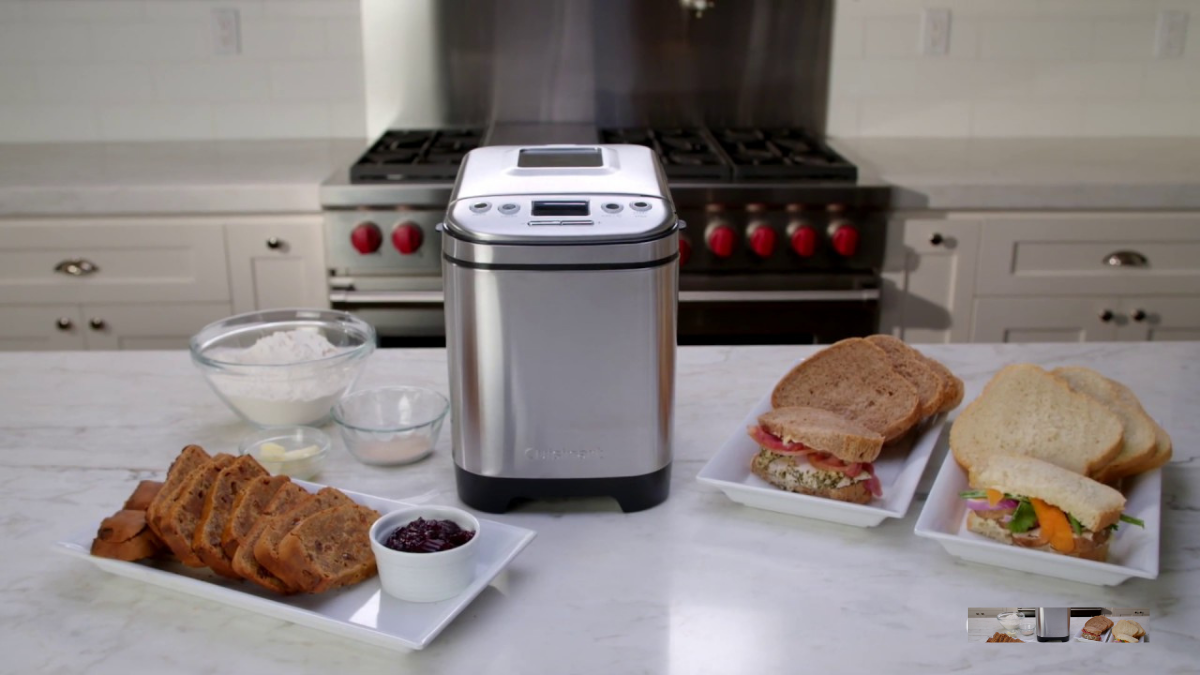
A bread maker can simplify much of this process by bringing several stages of bread preparation into one appliance. The Cuisinart Bread Maker is designed for home bakers who want a more convenient way to prepare homemade bread. With automated functions and programmable settings, it can make the process easier for beginners while also providing useful flexibility for experienced bakers.
What Is a Cuisinart Bread Maker?
This is an automatic kitchen appliance designed to handle many of the basic stages involved in making bread. Depending on the particular model, the machine can mix ingredients, knead dough, allow it to rise, and bake the finished loaf.
Instead of performing each stage manually, the user generally adds the ingredients to the bread pan, selects an appropriate program, and allows the machine to handle the process.
This makes a bread maker particularly attractive to people who enjoy homemade bread but do not want to spend a large amount of time working with dough. It can also be helpful for beginners who want to learn more about bread-making without having to master every technique immediately.
Design and Kitchen Convenience
The design of a bread maker is important because it needs to fit comfortably into a kitchen environment. Cuisinart is known for producing kitchen appliances with a modern, practical appearance, and its bread makers are designed to complement other countertop appliances.
A bread maker typically occupies more space than a toaster or small countertop appliance, so users should consider where they intend to store it. For people who bake frequently, keeping the machine on the counter may be convenient. Occasional bakers may prefer to store it in a cabinet when it is not being used.
The bread pan and internal components are designed to make the preparation process more organized. Instead of needing separate bowls and equipment for every stage, many tasks take place directly inside the appliance.
Ease of Use
One of the strongest reasons to consider a bread maker is convenience. Traditional bread-making requires attention at several points, while an automatic machine can perform much of the routine work.
For a typical recipe, the user begins by adding ingredients according to the manufacturer’s instructions. The ingredients may include flour, yeast, water or another liquid, salt, sugar, and other additions depending on the recipe.
After selecting the appropriate program, the machine takes over the mixing and kneading stages. The dough can then rise and bake according to the selected cycle.
This automated process can be especially useful for busy households. Instead of spending an afternoon preparing dough, users can let the appliance handle much of the work while they focus on other activities.
Different Bread Options
Bread makers are not limited to a single type of loaf. Depending on the model and available programs, users may be able to prepare different styles of bread and dough.
Common possibilities can include basic white bread, whole-grain bread, sweet bread, and other variations. Some programs may also be designed for dough that will later be shaped and baked separately.
The ability to experiment with different recipes is one of the enjoyable aspects of owning a bread maker. Once users become comfortable with the basic settings, they can explore different flours, seeds, herbs, spices, nuts, dried fruit, and other ingredients.
However, recipes should be adjusted carefully. Bread-making is sensitive to ingredient ratios, and changing several ingredients at once can affect the texture, rise, and final result.
Homemade Bread and Ingredient Control
One advantage of making bread at home is the ability to control the ingredients. Store-bought bread can contain ingredients that some consumers may prefer to avoid, while homemade recipes allow users to select the ingredients they want to include.
With a bread maker, users can experiment with different types of flour and other additions. They can also adjust recipes according to their personal taste.
For example, a baker might prefer a bread with additional seeds or grains, while another person may prefer a simpler loaf. Homemade baking can therefore become a personalized cooking experience rather than simply a way to produce a standard loaf.
Users should still follow reliable recipes and understand how ingredient substitutions affect bread-making. Not every flour or ingredient behaves in the same way.
Convenience for Beginners
Bread-making can have a learning curve. Dough consistency, yeast activity, kneading technique, temperature, and rising time can all affect the final product.
A bread maker can reduce some of that complexity by automating repetitive stages. This makes it an approachable option for beginners who might otherwise feel overwhelmed by traditional bread-making.
The machine does not eliminate the importance of accurate measurements, however. Beginners should pay close attention to recipe instructions and use appropriate measuring tools.
As experience grows, users can begin experimenting with different recipes and settings. This gradual learning process can make bread-making both educational and enjoyable.
Time-Saving Potential
Time is one of the most valuable benefits of an automatic bread maker. Although bread still requires time to mix, rise, and bake, much of that time does not require active attention from the user.
This means someone can start a bread cycle and continue with household tasks, work, studying, or other activities. Depending on the selected program, the appliance can complete the process without requiring constant supervision.
Some models may also include delayed-start functionality, allowing users to schedule a bread cycle for later. When using a delayed program, it is important to follow the manufacturer’s recommendations regarding ingredients and food safety.
Cleaning and Maintenance
Maintaining a bread maker properly can help keep it working effectively. After each use, the bread pan and removable components should be cleaned according to the manufacturer’s instructions.
Users should avoid damaging nonstick surfaces with sharp utensils or abrasive cleaning materials. Any electronic components should also be kept away from unnecessary moisture.
The kneading paddle deserves particular attention because dough can sometimes remain around it after baking. Cleaning it carefully after use can make future baking easier.
It is also useful to keep the exterior and surrounding countertop clean. Flour and other ingredients can become scattered during preparation, so wiping the appliance after use helps maintain an organized kitchen.
Tips for Better Results
Getting consistent results from a bread maker starts with accurate measurements. Bread recipes rely on specific proportions, so adding too much flour or liquid can significantly change the final texture.
Using ingredients at the recommended temperature can also matter. Bakers should follow the instructions associated with their particular recipe and bread maker.
Another useful habit is to avoid opening the lid unnecessarily during a cycle. Changes in temperature and moisture can affect the rising and baking process.
Users should also allow the finished bread to cool appropriately before slicing. Cutting bread immediately after baking can sometimes result in a less desirable texture.
Keeping notes about successful recipes can be helpful as well. If a particular combination of ingredients produces excellent results, recording the measurements and settings makes it easier to reproduce the loaf later.
Is a Cuisinart Bread Maker Worth Considering?
Whether a Cuisinart bread maker is worthwhile depends largely on how often someone expects to use it. For households that enjoy fresh bread regularly, the convenience of an automatic bread-making appliance can make it a valuable addition to the kitchen.
It can reduce the hands-on effort required for bread preparation while still allowing users to experiment with homemade recipes. For beginners, the automated process can also provide an accessible introduction to bread-making.
On the other hand, people who rarely eat bread or have very limited counter space may find that a bread maker receives less use than expected.
Before buying, consumers should compare the exact model’s capacity, programs, dimensions, accessories, warranty, and care instructions. Different models can offer different functions, so checking the specifications is important.
Final Thoughts
The Cuisinart Bread Maker offers a convenient approach to homemade bread by automating many of the steps that traditionally require manual preparation. For busy households, beginners, and enthusiastic home bakers, this convenience can make it easier to enjoy freshly prepared bread without constantly monitoring the dough.
Its biggest appeal is the combination of automation and flexibility. Users can follow established recipes while also exploring different ingredients and bread styles as their confidence grows.
Like any kitchen appliance, however, good results depend on proper use. Accurate measurements, appropriate ingredients, regular cleaning, and following the manufacturer’s instructions are all important.