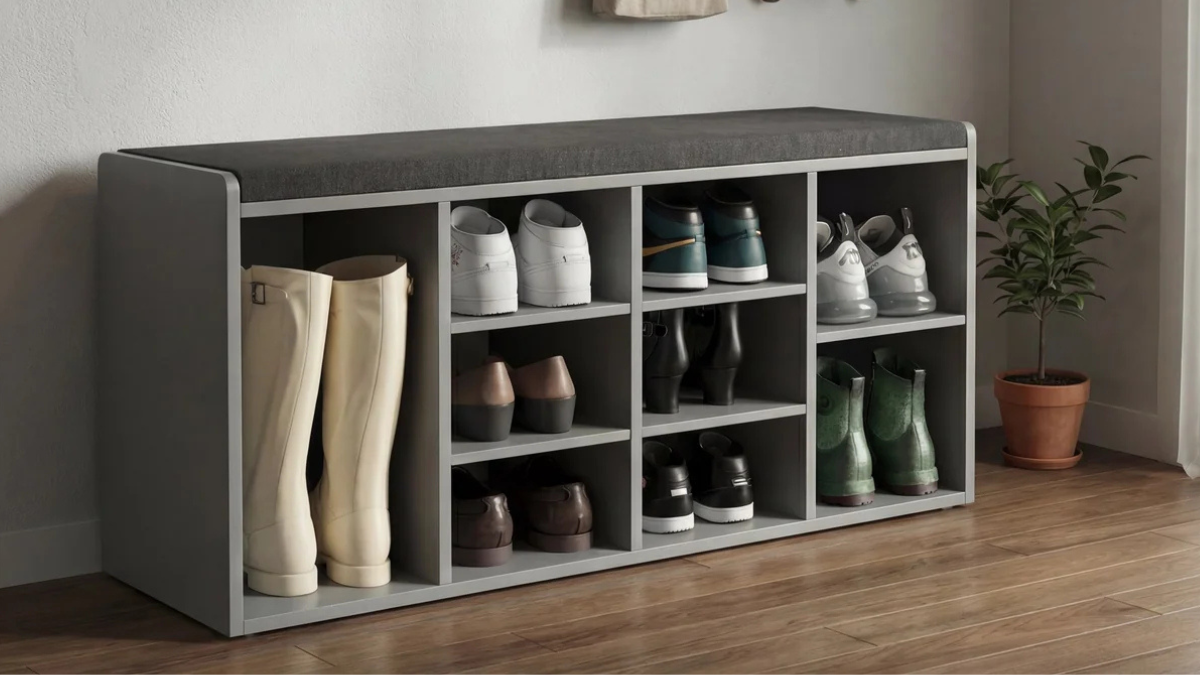
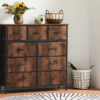
Keeping your entryway organized can be challenging, especially when shoes, bags, and everyday accessories start taking up valuable space. A shoe bench offers a practical way to create a tidier home while providing a convenient place to sit when putting on or removing footwear. The LBT Shoe Bench is an option to consider if you want to combine shoe storage with functional seating.
Whether you live in a small apartment, a family home, or a house with a busy entryway, the right shoe bench can help make your daily routine easier. Instead of leaving shoes scattered near the door, you can keep them in one designated location while making better use of your available space.
The LBT Shoe Bench is a product to consider when shopping for furniture that combines seating with shoe organization. Shoe benches are designed to provide a dedicated place for footwear while offering a convenient seat for everyday use.
Depending on the specific model, a shoe bench may include open shelves, enclosed compartments, a cushioned seat, or a combination of storage features. Some designs are intended for entryways, while others can fit in bedrooms, closets, mudrooms, or hallways.
Check the exact product listing to confirm its dimensions, materials, weight capacity, storage configuration, and assembly requirements. These specifications can vary by model, so it is important not to assume that every LBT bench includes the same features.
A well-chosen shoe bench can be a useful addition to a home because it brings two functions together: a place to sit and a place to store shoes.
Key Features to Consider
1. Practical Shoe Storage
One of the main reasons people purchase a shoe bench is to keep footwear organized. Without a designated storage area, shoes can quickly accumulate around the front door or inside a closet.
A shoe bench with shelves can help separate different pairs and make them easier to access. Open shelves are particularly convenient when you want to grab your everyday shoes quickly. They also allow air to circulate around footwear, which can be useful after a long day.
When evaluating the LBT Shoe Bench, check the number of shelves and the available space between them. Some shelves may accommodate sneakers and flats comfortably, while taller boots may require additional clearance.
Consider how many pairs of shoes your household uses regularly. If several people share the same entryway, you may need more storage capacity than someone living alone. Measuring your typical footwear before buying can help you determine whether the bench will meet your needs.
A shoe bench is more than a storage unit. Its seating surface provides a convenient place to sit while tying shoelaces, adjusting boots, or helping children put on their shoes.
Depending on the model, it may have a flat, cushioned, or upholstered seat. Check the product specifications and images to confirm which design applies to the version you are considering.
A cushioned seat may offer extra comfort, especially when you frequently sit down to change footwear. A hard surface, on the other hand, may be easier to wipe clean and may suit a minimalist interior.
Seat height is another important consideration. A bench that is too low or too high may feel uncomfortable for some users. Compare the listed seat height with the furniture you already use and consider who will be using the bench most often.
Remember that the product’s stated weight capacity should be checked before using it as seating. Storage furniture should not be assumed to support sitting unless the manufacturer specifies that it is designed for that purpose.
3. Durable Construction and Materials
The materials used in a shoe bench affect its appearance, maintenance, and potential durability. Depending on the model, benches may use engineered wood, solid wood, metal frames, fabric upholstery, or a combination of materials.
A sturdy frame is particularly important because the bench may hold both shoes and a person sitting on it. The shelf structure should also be appropriate for the type and number of shoes you plan to store.
Maintenance is worth considering, too. Smooth surfaces may be easier to wipe clean, while fabric upholstery may require more careful cleaning. If the bench will sit near an exterior door, think about exposure to dust, moisture, and muddy footwear.
Checking customer feedback can provide additional insight into assembly quality, stability, and how well the furniture performs during everyday use.
4. Space-Saving Design
A shoe bench can help maximize the usefulness of a small entryway by combining storage and seating in a single piece of furniture.
Instead of placing a separate chair beside a shoe rack, you can use one unit for both purposes. This may leave more floor space available for walking and reduce visual clutter.
Before buying the LBT Shoe Bench, measure the area where you intend to place it. Record the available width, depth, and height, and compare those measurements with the listed dimensions.
Remember to leave enough clearance for doors, drawers, and nearby furniture. A bench that technically fits may still make an entryway feel cramped if it blocks a walkway or interferes with a door.
For compact homes and apartments, choosing furniture that serves more than one purpose can be an effective way to make limited space work harder.
5. Style and Home Decor
Furniture in an entryway contributes to the overall impression of your home. A shoe bench can help create a welcoming entrance while keeping everyday items organized.
A simple design may suit modern spaces, while a bench with a padded seat can create a softer and more inviting look.
You can also personalize the area around the bench with a small rug, wall hooks, or a mirror, provided these additions do not overcrowd the space. The goal is to create an entryway that looks organized and remains practical for everyday use.
Because designs vary, check the actual product photographs and finish descriptions before deciding whether the bench matches your home’s style.
Benefits of the LBT Shoe Bench
A shoe bench may offer several practical advantages when its design matches your needs.
Better entryway organization: A designated storage area helps keep footwear from spreading across the floor.
Convenient seating: A suitable bench gives you a place to sit while putting on or removing shoes.
Efficient use of space: Combining storage and seating can reduce the need for separate furniture pieces.
Easier access to everyday footwear: Open shelves may make frequently used shoes easy to find without searching through boxes or closets.
Versatile placement: Depending on its dimensions and construction, a shoe bench may work in an entryway, bedroom, mudroom, or walk-in closet.
A tidier appearance: Grouping shoes in one location can make a room look more orderly and welcoming.
The actual benefits will depend on the specific LBT model, including its storage capacity, materials, dimensions, and intended use.
Potential Drawbacks to Consider
Although shoe benches are useful, they are not the ideal solution for every home.
First, storage capacity may be limited. If you own many pairs of shoes or need to store bulky footwear, a compact bench may not provide enough room. Check the shelf dimensions and configuration before buying.
Second, open shelving does not completely hide clutter. Shoes remain visible, which may not suit people who prefer a completely concealed storage system. If appearance is a priority, consider whether the design offers doors or other enclosed compartments.
Third, the bench requires adequate floor space. Even a multifunctional piece of furniture can become inconvenient if it blocks a hallway or makes it difficult to open the front door.
Assembly is another factor to consider. Some furniture arrives in multiple pieces and requires tools, hardware installation, or careful alignment. Review the assembly instructions and customer feedback if this is a concern.
Finally, durability depends on the materials, construction, maintenance, and intended load. Check the manufacturer’s weight limits and avoid placing excessive weight on shelves or seating surfaces.
How to Choose the Right LBT Shoe Bench
Before purchasing, consider these practical steps to make sure the bench suits your home.
Measure Your Available Space
Measure the intended location and compare it with the product’s listed width, depth, and height. Allow enough room for people to walk comfortably and access nearby doors.
Estimate Your Storage Needs
Count the pairs of shoes you want to keep near the entrance. Consider whether the bench needs to accommodate sneakers, sandals, dress shoes, children’s footwear, or boots.
Check the Seating Specifications
If you plan to sit on the bench regularly, verify its stated weight capacity, seat height, and seating dimensions. Do not assume a decorative storage bench is suitable for seating unless the manufacturer confirms it.
Review the Materials
Consider how easy the surface will be to clean and whether the construction is suitable for your home environment. Entryways often collect dust and dirt, so easy maintenance can be an advantage.
Read Customer Reviews
Look for recurring comments about stability, storage capacity, assembly, material quality, and everyday usability. Reviews from buyers with similar storage needs may be especially helpful.
Compare Price and Warranty
Consider the overall value, not just the purchase price. Review the warranty, return policy, delivery costs, and availability of replacement parts where applicable.
These checks can help you avoid choosing a bench that looks appealing but does not meet your practical requirements.
Final Verdict
The LBT Shoe Bench is worth exploring if you are looking for a practical furniture option that can help organize footwear while providing a convenient place to sit. A suitable shoe bench can reduce clutter, improve access to everyday shoes, and make an entryway feel more organized.
The most important factors are fit, storage capacity, construction, and seating suitability. Take accurate measurements, review the product specifications, and consider how many people will use the bench.