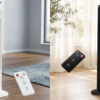
Indoor air quality plays an important role in creating a comfortable and healthy living environment. Dust, pollen, pet dander, smoke, and other airborne particles can accumulate inside homes, making clean indoor air a priority for many households. An air purifier can help reduce certain airborne pollutants and improve the overall indoor environment.
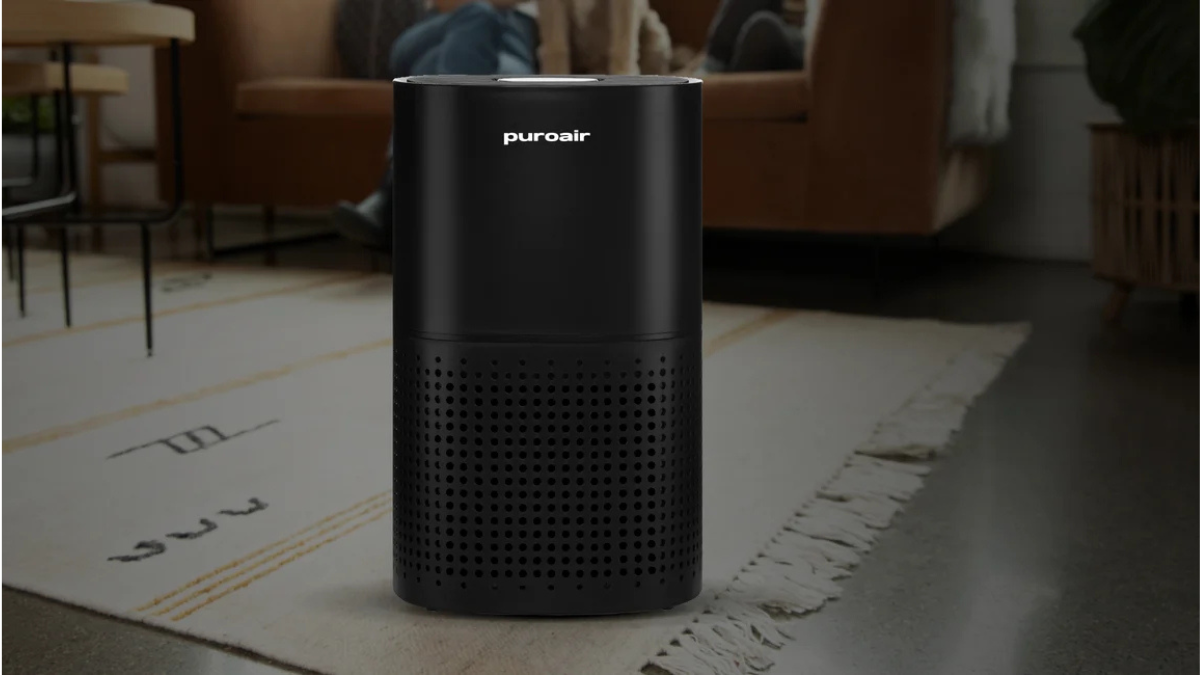
PuroAir Air Purifiers are designed for people looking for practical solutions to indoor air filtration. With different models and filtration features available, the brand is worth exploring when comparing air purifiers for bedrooms, living rooms, offices, and other indoor spaces.
A brand associated with residential air purification products. Its air purifiers are designed to draw indoor air through filtration systems that capture certain airborne particles.
These appliances are intended to help reduce common indoor contaminants, including dust, pollen, and other particles, depending on the filter used and the specific model.
PuroAir offers products intended for different room sizes and household needs. When choosing a unit, it is important to check the exact model number, filtration specifications, recommended room coverage, and replacement filter requirements.
An air purifier does not eliminate every indoor pollutant, but a properly selected and maintained unit can support better indoor air quality.
How Does a PuroAir Air Purifier Work?
Most residential air purifiers operate by pulling air into the appliance, passing it through one or more filters, and releasing filtered air back into the room.
Depending on the PuroAir model, the filtration system may include multiple stages designed to capture different types of particles.
A typical filtration process may involve:
- Pre-filtration: Captures larger particles such as dust, lint, and pet hair.
- Particle filtration: A high-efficiency filter captures smaller airborne particles, depending on its certified performance.
- Odor filtration: An activated carbon layer, when included, can help reduce certain household odors and gases.
The exact filtration arrangement varies by model. Always review the manufacturer’s specifications to understand what a particular PuroAir purifier can and cannot remove.
An air purifier can offer several practical advantages when used correctly.
Helps reduce airborne dust: Air filtration can capture dust particles circulating around indoor spaces, helping reduce the amount of airborne dust.
Supports allergy management: Depending on its filter efficiency, an air purifier may capture common airborne allergens such as pollen and pet dander. It can be a useful addition to other allergy-management practices.
Helps reduce certain odors: Models with activated carbon filtration may help reduce some odors from cooking, pets, and everyday household activities.
Improves indoor air circulation: Many air purifiers continuously draw in and release air, helping process the air within a room.
Useful for different living spaces: Depending on the model’s capacity, a PuroAir purifier may be suitable for a bedroom, office, living room, or other indoor area.
Understanding HEPA Filtration
This is one of the most important features to understand when shopping for an air purifier.
A true HEPA filter is designed to capture at least 99.97% of particles measuring 0.3 microns under specified test conditions. This includes many common airborne particles, although actual performance in a room depends on the complete appliance and how it is operated.
Some PuroAir product descriptions refer to HEPA or high-efficiency filtration. Buyers should carefully check the wording and certification information for their chosen model.
It is also important to understand that particle filters do not automatically remove every gas, chemical vapor, or odor. Different filtration technologies are needed for different pollutants.
Choosing the Right Room Size
Room coverage is a major factor when selecting an air purifier. A unit designed for a small bedroom may not provide sufficient air cleaning for a large open-plan living area.
Before buying a PuroAir Air Purifier, consider the following:
- Bedroom: Choose a model with suitable coverage for the room’s floor area.
- Living room: Consider a higher-capacity model if the space is large or connected to other rooms.
- Home office: A compact unit may be sufficient for a smaller enclosed workspace.
- Shared spaces: Look for a purifier with an appropriate clean air delivery rate for the room.
Pay attention to the Clean Air Delivery Rate (CADR), when available. CADR measures how quickly an air purifier delivers filtered air for particular particle categories. It can help buyers compare performance more effectively than room-size marketing claims alone.
For the best results, choose a purifier with sufficient capacity for the room where it will operate.
Noise Levels and Bedroom Comfort
This is an important consideration, especially if you plan to run an air purifier overnight.
Many air purifiers offer multiple fan speeds. Lower settings are generally quieter, while higher settings may produce more noticeable operating noise.
When comparing PuroAir models, check the manufacturer’s published noise levels and look for customer feedback about nighttime operation.
A few practical tips can help make an air purifier more comfortable to use:
- Position the unit away from the immediate sleeping area if necessary.
- Use a lower fan speed at night when appropriate.
- Keep air intake and outlet areas unobstructed.
- Place the purifier on a stable, level surface.
If the selected model includes a sleep mode, check how it changes fan speed, display brightness, and operating noise.
Energy Consumption and Everyday Use
Air purifiers are often operated for several hours each day, so electricity consumption deserves attention.
The amount of electricity a PuroAir purifier uses depends on its motor, fan speed, operating schedule, and specific model.
You can estimate electricity consumption using this formula:
Electricity consumption (kWh) = Power (watts) × Hours of use ÷ 1,000
For example, a 40-watt purifier operating for 10 hours consumes approximately 0.4 kWh.
This is only an example. Check the rated wattage on your chosen model and use your local electricity rate to estimate its operating cost.
Running an air purifier continuously may be useful in some environments, particularly where airborne particles are regularly generated. Follow the manufacturer’s operating recommendations and adjust settings according to your needs.
Filter Replacement and Maintenance
Regular maintenance is essential for keeping an air purifier operating effectively.
Filters gradually collect particles, and their performance can decline when they become heavily loaded. Replacement schedules vary according to the filter type, model, air quality, and frequency of use.
Here are some maintenance tips:
- Check the filter regularly: Follow the manufacturer’s instructions for inspection and replacement.
- Clean accessible surfaces: Wipe the exterior with a soft, dry cloth.
- Keep air openings clear: Avoid placing furniture or curtains directly against the intake or outlet.
- Replace filters when needed: Use compatible replacement filters recommended for your model.
- Pay attention to indicators: If your purifier has a filter replacement indicator, follow the instructions in its manual.
- Keep the surrounding area clean: Regular household cleaning can reduce the amount of dust entering the purifier.
Never wash a HEPA filter unless the manufacturer specifically identifies it as washable. Washing an unsuitable filter can damage its filtration material.
What to Consider Before Buying a PuroAir Air Purifier
Choosing the right air purifier requires more than looking at its appearance or advertised features.
Consider these important factors before making a purchase:
Room coverage: Confirm that the purifier is appropriate for the size of your room.
Filtration specifications: Check whether the model uses true HEPA filtration, another high-efficiency filter, activated carbon, or a combination.
CADR rating: Compare clean air delivery rates where reliable specifications are available.
Noise level: Look for operating noise information, especially if you plan to use the appliance in a bedroom.
Replacement filters: Check the cost, availability, and replacement schedule of compatible filters.
Energy consumption: Compare wattage and estimated operating costs.
Warranty and support: Review warranty coverage, return policies, and customer service options.
Certifications: Look for relevant independent testing or certifications and confirm that they apply to the exact model being considered.
These details can help you avoid choosing a purifier that is too small, too expensive to maintain, or unsuitable for your intended use.
Conclusion
PuroAir Air Purifiers offer an option for people exploring ways to improve indoor air quality through filtration. By capturing certain airborne particles, a suitable air purifier can help create a more comfortable indoor environment in bedrooms, living rooms, and workspaces.
Before purchasing, compare the exact model’s filter technology, CADR rating, recommended room coverage, noise level, electricity consumption, and replacement filter costs. These specifications are more useful than relying on general marketing claims alone.
With the right model, proper placement, and regular maintenance, it can become a practical part of an indoor air quality plan. Taking time to compare the available features will help you choose a product that matches your home and everyday needs.