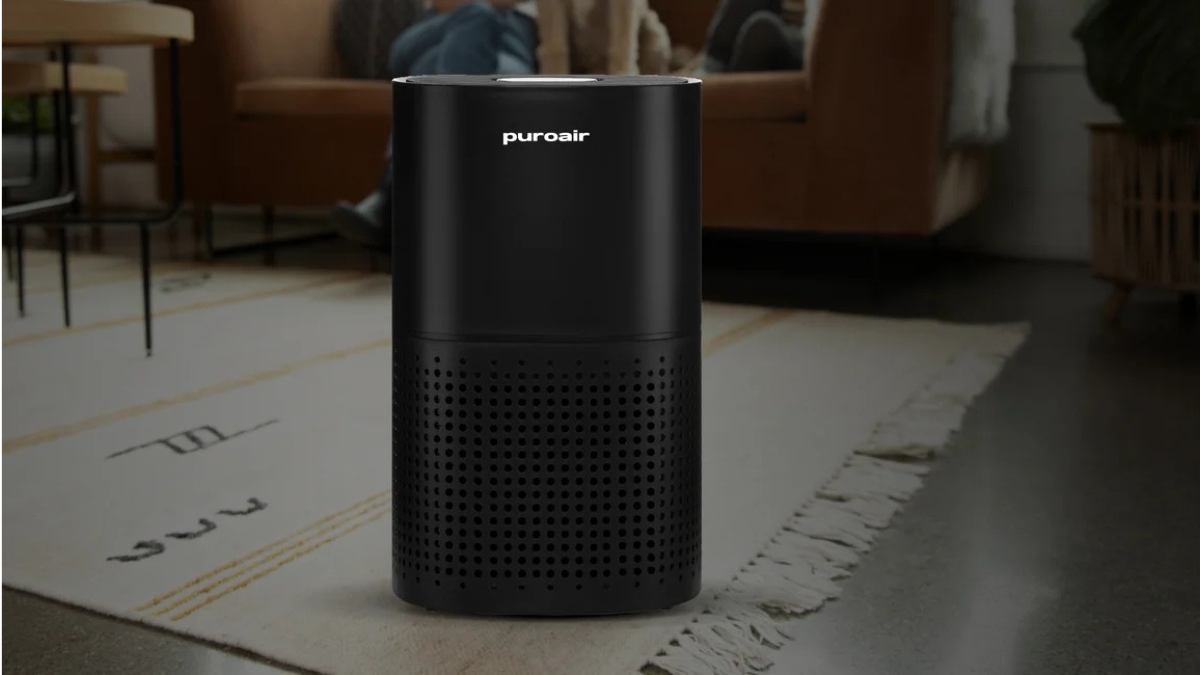
Indoor air quality plays an important role in creating a comfortable and healthy home. Dust, pollen, pet dander, smoke, and other airborne particles can accumulate indoors, affecting the freshness of the air we breathe. With more people spending time inside their homes, air purifiers have become a popular solution for improving indoor air quality. Among the brands attracting attention in this market is PuroAir, which offers air purifiers designed to help reduce airborne pollutants and create a cleaner living environment.
These are marketed toward households looking for convenient air-cleaning solutions. Their combination of filtration technology, user-friendly controls, and modern designs makes them worth exploring for people concerned about indoor air quality. But what makes these products appealing, and what should buyers consider before choosing one?
Understanding PuroAir Air Purifiers
A brand focused on indoor air-cleaning products. Its air purifiers are designed to circulate room air through filtration systems that capture certain airborne particles, helping reduce common indoor contaminants.
Everyday activities can introduce unwanted particles into indoor spaces. Cooking produces odors and airborne particles, pets release dander, and outdoor pollutants can enter through open windows and doors. Dust and pollen may also accumulate over time.
An air purifier provides an additional layer of filtration by drawing air through its filters and circulating the cleaned air back into the room. PuroAir products are intended to make this process convenient for everyday household use.
The exact specifications and performance vary between models, so buyers should check the product information for the particular unit they are considering.
One of the most important considerations when choosing an air purifier is its filtration system. PuroAir models are marketed with multi-stage filtration features, with certain models advertising HEPA filtration.
This is designed to capture very small airborne particles when the filter meets the applicable HEPA standard. These particles can include dust, pollen, and some forms of pet dander.
Many air purifiers also incorporate additional filter layers. Depending on the model, these may include:
-
Pre-filters: Help capture larger particles such as hair, lint, and visible dust.
-
Particle filters: Capture smaller airborne particles as air passes through the filtration system.
-
Activated carbon filters: Help reduce certain odors and gaseous pollutants.
A multi-stage system can provide a practical approach to addressing different types of indoor air contaminants. However, filtration performance depends on the filter design, maintenance, room conditions, and how frequently the purifier operates.
It is also important to remember that air purifiers do not eliminate every indoor pollutant. They should complement regular cleaning, proper ventilation, and other measures that address pollution sources.
Potential Benefits of Using a PuroAir Air Purifier
1. Helps Reduce Airborne Dust
Dust is one of the most common indoor pollutants. It can come from clothing, furniture, carpets, outdoor particles, and everyday household activities.
An appropriately sized air purifier can capture some airborne dust particles as air circulates through its filters. This may help make indoor spaces feel fresher, although it will not eliminate dust that has already settled on surfaces.
2. Supports Homes with Pets
Pets bring companionship and happiness, but they can also contribute to indoor particles through shedding hair and releasing dander.
A purifier with suitable particle filtration may help capture airborne pet dander and other particles. This can be particularly useful in rooms where pets spend much of their time.
Regular vacuuming, grooming, and cleaning remain important parts of managing pet-related allergens.
3. Helps Capture Pollen and Other Allergens
Pollen can enter homes through windows, doors, clothing, and shoes. Other airborne allergens may originate from indoor dust and household materials.
An air purifier with an appropriately rated particle filter can help reduce airborne particles that contribute to indoor allergen exposure. For people who experience seasonal allergies, this may be a useful addition to their home environment.
However, an air purifier is not a treatment for allergies or a substitute for medical advice.
4. Helps Manage Certain Household Odors
Cooking, pets, and other household activities can create unpleasant smells. Models equipped with activated carbon filtration may help reduce certain odors by adsorbing some odor-causing compounds.
The effectiveness depends on the amount and quality of carbon in the filter, the type of odor, and the room’s ventilation.
5. Creates a More Comfortable Indoor Environment
Cleaner-feeling air can contribute to a more pleasant home atmosphere. Whether placed in a bedroom, living room, or home office, an air purifier can provide ongoing air circulation and filtration.
For households concerned about dust, pollen, or pet-related particles, this can be a convenient way to support indoor air quality.
Features to Consider
It should be easy to operate. Depending on the model, PuroAir units may offer straightforward controls for selecting operating modes, adjusting fan speed, or managing other functions.
Simple controls are especially useful for people who want an appliance that can operate throughout the day without complicated adjustments.
Multiple Fan Settings
Different situations call for different airflow levels. A higher fan setting may be useful when more air circulation is desired, while a lower setting can be preferable during quieter activities or at night.
Check the specifications of the model to understand which fan speeds and operating modes are available.
Compact and Modern Design
Air purifiers are often placed in visible areas of the home, so their appearance and size matter. PuroAir units feature contemporary designs intended to fit into a variety of indoor spaces.
Before purchasing, consider the purifier’s dimensions and where it will be positioned. It should have enough clearance around its air intake and outlet to function properly.
Filter Replacement
Filters gradually collect particles and eventually require maintenance or replacement. Replacement intervals vary depending on the model, air quality, usage, and manufacturer’s instructions.
Before buying, check the availability and cost of compatible replacement filters. This is an important part of understanding the long-term expense of owning an air purifier.
Where Can You Use a PuroAir Air Purifier?
It may be suitable for different areas of the home, depending on their rated coverage and airflow performance.
Bedrooms: An air purifier can help reduce airborne dust and other particles in a sleeping area. Look for a model with an appropriate room rating and a quiet operating mode if nighttime use is important.
Living rooms: Shared spaces often experience more activity, foot traffic, and exposure to household particles. A suitably sized purifier can help circulate and filter the air in these areas.
Home offices: People working from home may appreciate having an air purifier nearby, particularly in rooms with limited ventilation.
Pet areas: Rooms where pets spend much of their time may benefit from filtration that captures airborne dander and other particles.
Kitchens and dining areas: A purifier with suitable filtration may help address some airborne particles and odors, although proper ventilation is especially important when cooking.
The best location depends on the room’s size, layout, airflow, and the purifier’s specifications.
How to Choose the Right PuroAir Model
Selecting an air purifier involves more than comparing appearance or price. The following factors can help buyers make a more informed decision.
1. Check the Recommended Room Size
Room coverage is one of the most important specifications. Choose a purifier designed for the actual size of the room where it will operate.
A unit intended for a small bedroom may not provide sufficient air cleaning in a large living room. Also consider the clean air delivery rate (CADR), where available, because it helps indicate how effectively a purifier delivers filtered air.
2. Understand the Filtration System
Look for clear information about the filter type and its performance. If particle removal is your main priority, check whether the model uses a certified HEPA filter and what standard it meets.
If odors are a concern, investigate whether the purifier includes an activated carbon filter and how much carbon it contains.
3. Consider Noise Levels
Noise can affect comfort, especially when using an air purifier in a bedroom or office. Review the manufacturer’s noise-level specifications and consider whether the available settings suit your daily routine.
4. Compare Running Costs
The initial purchase price is only one part of ownership. Electricity consumption and replacement-filter costs can affect the total expense over time.
Check how often filters need to be replaced and whether genuine replacement filters are readily available.
5. Review Warranty and Customer Support
A reliable warranty and accessible customer service can make ownership easier. Purchase from a reputable seller and review the warranty conditions, return policy, and availability of replacement parts.
Tips for Maintaining Your PuroAir Air Purifier
Proper maintenance helps an air purifier operate as intended.
-
Follow the filter replacement schedule: Refer to the manufacturer’s instructions for the correct replacement interval.
-
Clean accessible exterior surfaces: Use a soft cloth to remove dust from the unit.
-
Keep air openings clear: Avoid placing the purifier directly against walls, curtains, or furniture that could obstruct airflow.
-
Position it strategically: Place the unit in an area where air can circulate freely.
-
Check filter indicators: If your model includes a filter replacement reminder, pay attention to its alerts.
-
Use compatible filters: Choose the correct replacement filter recommended for your specific model.
Never wash or reuse a filter unless the manufacturer explicitly states that it is washable.
It may be worth considering for people who want to improve indoor air filtration and reduce certain airborne particles. Their appeal comes from the convenience of having a dedicated appliance that continuously circulates and filters room air.
However, the best choice depends on the individual model and the buyer’s needs. Room coverage, filtration certification, CADR, noise levels, filter replacement costs, and warranty support should all be considered before making a purchase.
It is also important to approach marketing claims carefully. An air purifier cannot guarantee complete removal of pollutants, prevent illness, or replace good ventilation and regular household cleaning.
Final Thoughts
They offer a potential solution for households looking to make indoor air quality a greater priority. With filtration-focused designs and features intended for everyday use, they may be useful in bedrooms, living rooms, home offices, and other indoor spaces.
The key to choosing the right unit is understanding what you need it to do. Compare the available models, verify their filtration specifications, check their recommended room sizes, and consider the long-term cost of replacement filters.