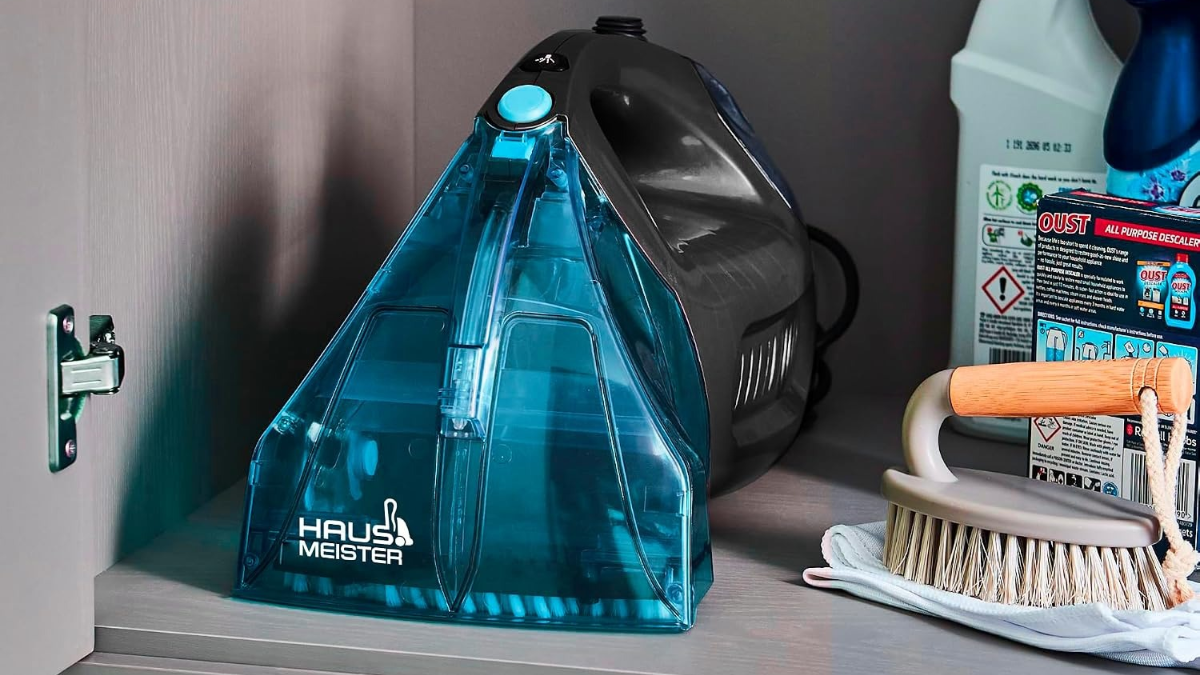
Keeping floors clean can be a time-consuming household chore, especially when dust, hair, crumbs, and liquid spills accumulate throughout the day. Traditional cleaning often requires several tools, including a broom, vacuum cleaner, mop, and bucket. A vacuum mop offers a more convenient approach by combining vacuuming and mopping functions in one appliance.
A product worth exploring for households looking for practical cleaning equipment. By combining different floor-cleaning tasks, a vacuum mop can help simplify everyday maintenance and reduce the effort required to keep floors looking clean.
A floor-cleaning appliance intended to combine vacuuming and wet cleaning in one device. Depending on the exact model, it may collect dry dirt and debris while using a cleaning roller or mop system to wash the floor.
Unlike a traditional vacuum cleaner, which primarily removes dry particles, a vacuum mop is designed to handle certain wet-cleaning tasks as well.
This type of appliance can be useful for everyday floor maintenance, particularly in homes with hard flooring such as tiles, sealed wood, laminate, or other compatible surfaces.
Key Features to Look For in a HAUSMEISTER Vacuum Mop
The available features depend on the specific model. Here are some of the most important functions to examine.
1. Combined Vacuuming and Mopping
The main appeal of a vacuum mop is its ability to handle dry and wet floor cleaning with one appliance.
Instead of vacuuming first and mopping afterward with separate equipment, a suitable wet-and-dry model may collect dust, crumbs, and other debris while cleaning the floor with water.
This can make routine cleaning more convenient, especially in frequently used areas such as kitchens, dining spaces, and living rooms.
Keep in mind that not every vacuum mop handles every kind of mess. Follow the manufacturer’s instructions about suitable debris and liquids.
2. Separate Water Tanks
Many wet-and-dry vacuum mops use separate tanks for clean and dirty water.
The clean-water tank supplies water for floor cleaning, while the dirty-water tank collects used water and debris.
This arrangement helps prevent collected dirt from simply being spread back across the floor.
Check the capacity of both tanks. Larger tanks may reduce how often you need to refill or empty them, although they can also add weight to the appliance.
Depending on its design, a vacuum mop may use a rotating roller brush, microfiber cleaning component, or another type of wet-cleaning mechanism.
The cleaning system helps loosen everyday dirt from the floor while the appliance collects used water.
Check whether replacement rollers or mop components are available. This is important because these parts may need periodic cleaning or replacement.
4. Corded or Cordless Operation
Some floor-cleaning appliances use a power cord, while others operate using a rechargeable battery.
A cordless design can make it easier to move between rooms without changing outlets. A corded model may provide continuous power without requiring battery recharging.
5. Different Cleaning Modes
Selected vacuum mop models provide multiple cleaning modes for different floor conditions.
These may include standard cleaning, stronger cleaning for heavier dirt, or settings that control water flow.
6. Self-Cleaning Function
Some modern vacuum mops include a self-cleaning cycle that helps rinse the roller or internal cleaning components.
This can reduce the amount of manual scrubbing needed after use.
However, self-cleaning does not mean the appliance requires no maintenance. Users may still need to empty the dirty-water tank, clean filters, remove hair, and allow washable components to dry.
Benefits of Using a HAUSMEISTER Vacuum Mop
Saves Time During Everyday Cleaning
One of the biggest advantages of a vacuum mop is convenience.
Using separate cleaning tools often involves multiple steps. You may need to sweep or vacuum first, prepare a mop and bucket, clean the floor, and then wash the mop afterward.
A combined appliance can reduce the number of separate steps involved in routine cleaning.
This can be particularly helpful for busy households that want to maintain clean floors without spending too much time on daily chores.
Helps Remove Everyday Dirt
Floors collect many types of dirt, including dust, crumbs, food particles, hair, and marks from everyday foot traffic.
A suitable vacuum mop can help remove these common messes while washing compatible hard-floor surfaces.
It may be especially useful in kitchens and dining areas where small spills and food debris are common.
For large spills, sticky substances, or unusual liquids, always follow the product’s instructions before using the appliance.
Convenient for Hard Floors
Many vacuum mops are designed primarily for sealed hard surfaces.
Depending on the model’s compatibility, they may be suitable for tile, vinyl, sealed wood, or laminate flooring.
This can make them useful for homes with several hard-floor areas.
Always check the manufacturer’s approved floor types. Excess moisture can damage certain wood and laminate surfaces.
Reduces the Need for Multiple Cleaning Tools
A vacuum mop may reduce the need to use separate equipment for some routine cleaning tasks.
Instead of switching between a vacuum cleaner and a traditional mop, you may be able to complete both functions using one machine.
This can also make storage more convenient, especially in homes with limited utility or storage space.
Useful for Busy Households
For families, pet owners, and people with active lifestyles, floors can become dirty quickly.
A vacuum mop may help manage everyday dust, hair, and minor spills more efficiently.
It is not a complete replacement for every cleaning tool, but it can be a practical addition to a regular household cleaning routine.
How to Use a HAUSMEISTER Vacuum Mop
Operating instructions vary by model, but the general process for a wet-and-dry vacuum mop is usually straightforward.
Step 1: Read the User Manual
Before using the appliance, review the instructions carefully. Check the recommended floor types, water requirements, cleaning solutions, and safety precautions.
Step 2: Prepare the Water Tank
If the model has a clean-water tank, fill it according to the manufacturer’s instructions.
Use only approved cleaning solutions. Some appliances require plain water or a specific type of floor-cleaning product. Avoid adding bleach, detergents, or other chemicals unless the manual specifically permits them.
Step 3: Check the Dirty-Water Tank
Make sure the dirty-water tank is empty and properly installed before beginning.
Check that the filter and other removable components are correctly positioned.
Step 4: Turn On the Appliance
Place the vacuum mop on a suitable hard floor and switch it on using the recommended controls.
Select the appropriate cleaning mode if your model offers different settings.
Step 5: Clean the Floor
Move the appliance slowly and steadily across the floor. Avoid rushing because giving the cleaning roller or mop system enough time to work can improve results.
Follow any instructions about forward and backward movement.
Step 6: Empty and Clean After Use
When cleaning is finished, switch off the appliance and empty the dirty-water tank.
Rinse and clean the removable components according to the manual. Allow washable parts to dry completely before storing them.
What Are the Possible Disadvantages?
Although a vacuum mop can make floor cleaning easier, there are a few limitations to consider.
Requires Regular Maintenance
A vacuum mop collects dirt and dirty water, so it needs cleaning after use.
Leaving dirty water inside the tank or allowing debris to remain around the roller can cause unpleasant odors and affect cleaning performance.
Regular maintenance is essential.
May Be Heavier Than a Traditional Mop
Because it combines several cleaning components, a vacuum mop may be heavier than a basic mop.
Consider the appliance’s weight, handle design, and maneuverability if you need to carry it between floors or clean areas with many obstacles.
Battery Life May Be Limited
If the model is cordless, its operating time depends on battery capacity and the selected cleaning mode.
A shorter runtime may be inconvenient when cleaning a large home in one session.
Check the advertised runtime and charging time before purchasing.
Not Suitable for Every Floor Type
Some vacuum mops are intended only for sealed hard flooring.
They may not be appropriate for carpets, rugs, untreated wood, or surfaces that cannot tolerate moisture.
Always confirm floor compatibility before use.
Replacement Parts May Affect Long-Term Costs
Rollers, filters, and other cleaning components may need replacement over time.
Before buying, check whether genuine replacement parts are available locally and how much they cost.
How to Maintain Your HAUSMEISTER Vacuum Mop
Proper maintenance helps keep a vacuum mop clean and working efficiently.
- Empty the dirty-water tank after every cleaning session.
- Rinse the tank and removable components as instructed.
- Remove hair, fibers, and debris from the roller.
- Clean the filter according to the recommended schedule.
- Allow washable components to dry completely before reinstalling or storing them.
- Wipe the exterior with a soft, damp cloth when necessary.
- Store the appliance in a dry, suitable location.
Avoid immersing the main electrical unit in water. Follow the manufacturer’s instructions for cleaning and maintaining the battery, charger, and electrical components.
What to Consider Before Buying a HAUSMEISTER Vacuum Mop
Before purchasing, compare the following details:
- Exact model: Confirm the product name and model number.
- Cleaning functions: Check whether it supports both dry vacuuming and wet mopping.
- Water tank capacity: Consider how often you want to refill and empty the tanks.
- Battery performance: For cordless models, review runtime and charging time.
- Weight and maneuverability: Choose a design that is comfortable to handle.
- Cleaning modes: Check whether the appliance offers settings suited to your cleaning needs.
- Maintenance: Find out how to clean the roller, tanks, and filters.
- Replacement parts: Confirm that rollers, filters, and other consumables are available.
- Warranty: Review the seller’s warranty and after-sales service.
- Price: Compare the cost with the appliance’s features and long-term maintenance expenses.
Buying from a reputable seller can help you verify the product’s authenticity and obtain support if you need replacement components.
Final Verdict
The HAUSMEISTER Vacuum Mop may be worth considering if you want a convenient appliance for maintaining hard floors. A vacuum mop can simplify everyday cleaning by combining vacuuming and wet mopping, helping you manage dust, crumbs, hair, and minor spills with fewer separate tools.
Its value depends on the exact model, cleaning performance, battery or power system, water tank capacity, maintenance requirements, and availability of replacement parts.