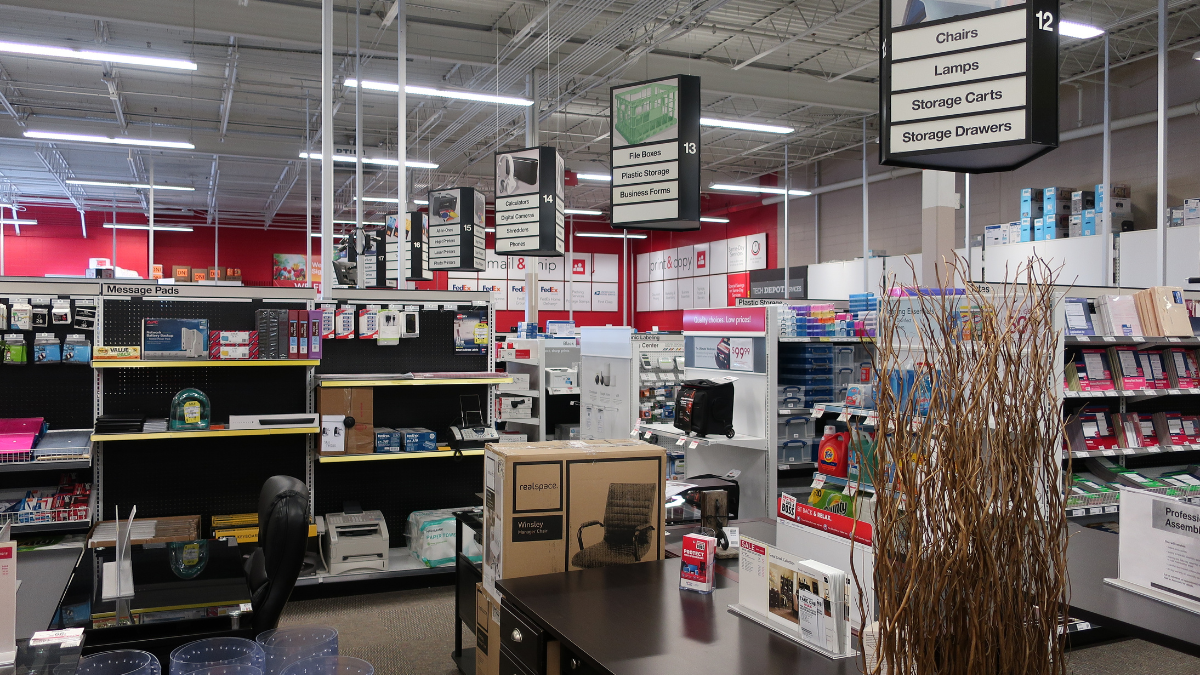
For decades, Office Depot has been a familiar name for students, small businesses, and corporate clients in need of office supplies, technology, and printing services. Founded in 1986, the company grew into a retail giant with thousands of stores across the United States, competing head-to-head with Staples.
But in 2025, the landscape looks much different. The rise of Amazon, Walmart, and e-commerce competitors, combined with a shift toward hybrid and remote work, has forced Office Depot to drastically rethink its strategy. While once known primarily as a retail superstore, the brand is now undergoing a profound transformation—pivoting toward B2B services, technology solutions, and efficiency programs.
A Brief History of Office Depot
-
1986 – Founded in Fort Lauderdale, Florida.
-
1990s – Rapid expansion, reaching thousands of retail locations nationwide.
-
2003 – Global expansion into Europe, Asia, and Latin America.
-
2013 – Merger with OfficeMax, creating one of the largest office supply chains in the U.S.
-
2016–2020 – Acquisition of CompuCom, expanding into IT services.
-
2020 onward – “Optimize for Growth” strategy, focusing on restructuring and pivoting toward B2B services.
From its peak, the company has closed hundreds of stores to streamline operations. Today, Office Depot operates under The ODP Corporation, which oversees several divisions: Office Depot retail, OfficeMax, CompuCom, and ODP Business Solutions.
Why Office Depot Struggled
Several factors contributed to Office Depot’s decline as a retail powerhouse:
-
E-Commerce Competition
Amazon, Walmart, and Target captured significant market share by offering convenience, lower prices, and fast delivery.
-
Workplace Transformation
With remote and hybrid work models, demand for bulk office supplies has decreased. Businesses no longer rely on superstores for essentials.
-
Price Pressure
Discount chains and online retailers made traditional in-store shopping less appealing.
-
Store Footprint
Large retail spaces became costly liabilities as consumer foot traffic dropped.
-
Failed Merger Attempts
Multiple failed merger attempts with Staples consumed resources and left the company vulnerable.
The “Optimize for Growth” Strategy
In response, They launched a turnaround plan known as “Optimize for Growth.” Its key pillars include:
-
B2B Focus
-
Shifting away from consumer retail toward business-to-business contracts, serving mid-size and enterprise-level clients.
-
ODP Business Solutions provides procurement services, supply chain management, and tailored office solutions.
-
Technology & IT Services
-
Through CompuCom, Office Depot provides IT support, managed services, and technology procurement.
-
Expanding beyond paper and pens into digital workplace solutions.
-
Cost-Cutting & Realignment
-
Loyalty & Digital Expansion
Office Depot’s Financial Performance in 2025
The numbers tell a story of transition and challenge:
-
Revenue – Declining compared to pre-pandemic years, with recent reports showing dips in both retail and contract divisions.
-
Net Income – Fluctuating, with cost-cutting helping stabilize profits in some quarters.
-
Stock Performance – ODP shares remain under pressure, reflecting uncertainty around the company’s long-term growth.
Still, Office Depot retains billions in annual revenue, demonstrating that its brand and contracts remain valuable in the marketplace.
Customer Experience Today
For shoppers, The stores still provide access to:
-
Office supplies, school supplies, and stationery.
-
Printing, copying, and shipping services.
-
Tech accessories, laptops, and basic IT services.
But the in-store experience has changed. Stores are smaller, with fewer locations. Some markets no longer have convenient access to Office Depot at all, forcing customers online.
The e-commerce platform has improved, offering free shipping options and subscription models for recurring supplies. Meanwhile, the B2B loyalty program provides bulk discounts and rewards tailored to small businesses.
Partnerships and Deals
It has forged partnerships to remain relevant:
-
Airline and Travel Deals – Offering business customers travel-related discounts.
-
Dun & Bradstreet Partnership – Providing business insights and credit resources.
-
Reseller Contracts – Long-term supply deals worth more than $1 billion annually.
These partnerships aim to reposition Office Depot as not just a retailer, but a business solutions provider.
Challenges Ahead
Despite its efforts, the faces ongoing challenges:
-
Shrinking Retail Presence – Store closures risk alienating longtime customers.
-
Brand Perception – Many still see Office Depot as a retail-only brand, not a B2B partner.
-
Competition – Staples, Amazon Business, and independent IT providers remain fierce competitors.
-
Economic Pressures – Inflation and reduced corporate spending weigh on growth.
-
Digital Transformation – Office Depot must invest heavily in AI, automation, and cloud solutions to keep up.
Opportunities for Growth
On the flip side, several opportunities could shape Office Depot’s future success:
-
B2B Contracts – Focusing on corporate and government clients can provide stable revenue.
-
Technology Solutions – Expanding CompuCom’s IT services into cybersecurity and AI-driven support.
-
Sustainability – Offering eco-friendly office supplies and recycling programs.
-
Hybrid Work Support – Positioning Office Depot as the go-to partner for remote and hybrid workforce needs.
-
Niche Specialization – Leveraging its reputation for printing, shipping, and same-day office needs.
The Future of Office Depot
The survival depends on how effectively it can redefine itself in a post-retail era. By focusing on B2B services, IT solutions, and e-commerce, the company hopes to pivot away from its declining retail base.
The question is whether customers will view Office Depot as more than a place to buy pens and paper. If it succeeds, it could become a hybrid company—part retail, part solutions provider—serving businesses across the U.S. If it fails, it risks being outpaced by Amazon, Staples, and niche service providers.
Conclusion
While its retail business continues to shrink, its strategic pivot toward B2B solutions offers a path forward. The company’s brand recognition, long-standing contracts, and diversified services provide a foundation for reinvention.
Still, challenges in competition, brand identity, and execution remain significant. For customers, continues to deliver supplies, services, and solutions—but the real test is whether it can reinvent itself fast enough to thrive in a rapidly changing business landscape.
At its core, the mission remains the same: to support businesses, students, and professionals with the tools they need to succeed. Whether that happens through retail stores, online platforms, or IT solutions, the next few years will determine if Office Depot remains a household name—or a relic of retail’s past.