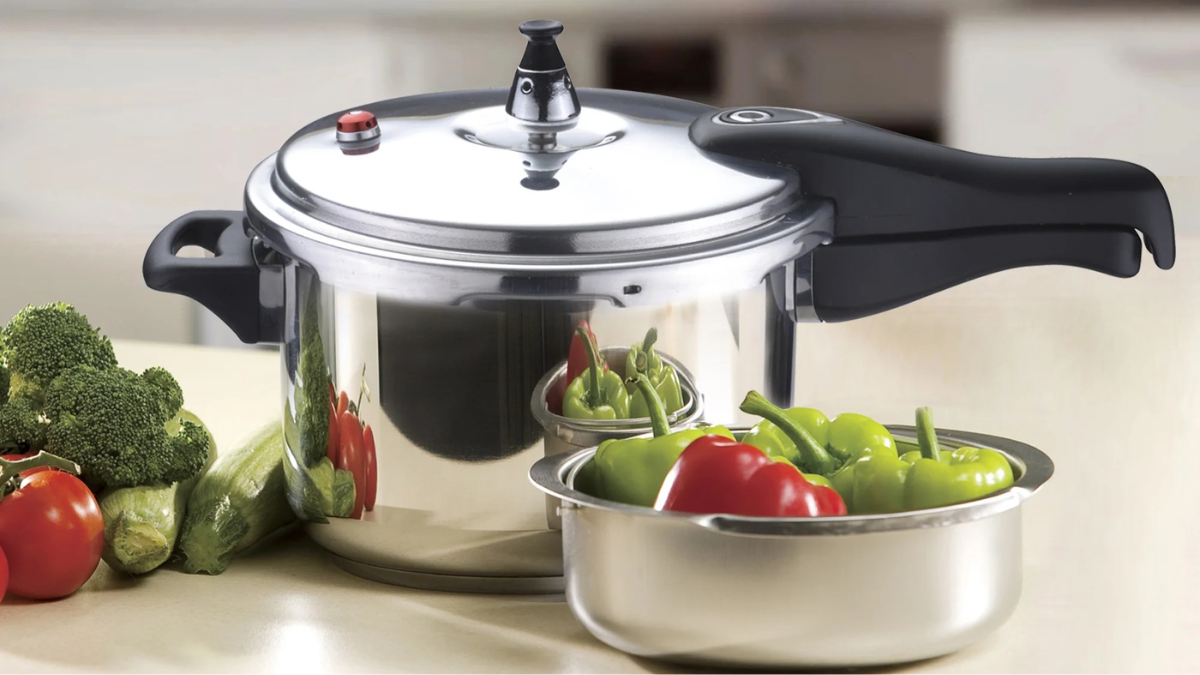
Few kitchen appliances have transformed the way we cook as much as the pressure cooker. Once viewed as intimidating contraptions with rattling valves and clouds of steam, today’s models are safe, efficient, and versatile. Among the newer names entering this competitive space is Peterboo, a brand offering pressure cookers that blend traditional principles with modern convenience.
The Evolution of Pressure Cooking
The pressure cooker traces its origins back to 1679, when French physicist Denis Papin invented the “steam digester,” a sealed pot that used steam pressure to cook food faster. Over the centuries, refinements in design and materials turned this early concept into the pressure cookers we know today.
By the mid-20th century, stovetop models were common in households worldwide. They offered dramatic reductions in cooking time, but safety concerns (exploding lids, overheating) gave them a somewhat intimidating reputation.
In recent decades, the invention of electric pressure cookers has revived their popularity. These modern models incorporate safety locks, digital timers, and multiple cooking programs, transforming pressure cookers into multi-functional appliances that can sauté, steam, slow cook, and more. The Peterboo Pressure Cooker enters this space as part of a new generation of smart, accessible appliances.
The Science Behind Pressure Cooking
At its core, pressure cooking relies on a simple scientific principle: water boils at higher temperatures under pressure.
- In normal conditions, water boils at 100°C (212°F).
- Inside a sealed pressure cooker, pressure builds as steam accumulates, raising the boiling point to around 120°C (250°F).
- This higher temperature speeds up the breakdown of fibers in meat, beans, and vegetables, dramatically cutting cooking times while preserving nutrients.
The result is food that cooks faster, tastes richer, and retains more vitamins compared to traditional boiling or steaming.
Peterboo’s Place in the Market
This is a relatively new entrant compared to established pressure cooker brands like Instant Pot, T-fal, or Presto. Its strategy focuses on affordability and user-friendly design while still offering the multi-functionality that modern households demand.
By targeting everyday families, students, and home cooks seeking efficiency, Peterboo aligns itself with a growing demographic that values time-saving appliances without premium pricing.
While models vary by region and capacity, Peterboo pressure cookers generally emphasize:
- Multi-functionality – Beyond pressure cooking, they typically include slow cooking, steaming, rice cooking, and sauté modes.
- Digital controls – LED displays and preset programs simplify cooking for beginners.
- Safety features – Lid-locking systems, pressure release valves, and overheat protection reduce risks associated with older stovetop models.
- Variety of sizes – Options ranging from 3 to 8 liters cater to both small households and larger families.
- Durable build – Stainless steel interiors ensure even heating and resistance to wear, while non-stick coatings on some models make cleaning easier.
- Energy efficiency – Shorter cooking times reduce overall power or gas usage, aligning with eco-conscious consumer trends.
These features make the Peterboo Pressure Cooker versatile enough to replace multiple single-use kitchen tools.
Advantages of the Peterboo Pressure Cooker
- Time saving – Meals that once took hours, like stews or braised meats, can be ready in under an hour.
- Nutrient retention – Shorter cooking times preserve vitamins and minerals, particularly in vegetables.
- Convenience – One-touch programs make it accessible for beginners, while experienced cooks can adjust pressure levels and timings.
- Space efficiency – One appliance can serve as a pressure cooker, slow cooker, rice cooker, and steamer.
- Safety – Modern safeguards remove much of the anxiety associated with stovetop models.
- Affordability – Compared to premium multi-cookers, Peterboo models are priced competitively.
Limitations and Trade-Offs
Of course, no appliance is perfect. Some trade-offs of Peterboo pressure cookers include:
- Limited brand recognition – Unlike Instant Pot, Peterboo lacks widespread reputation, which may concern buyers.
- Learning curve – Despite presets, some users need time to adjust to pressure cooking methods.
- Durability vs. premium models – Build quality, while solid, may not match higher-end competitors in longevity.
- Basic presets – Advanced chefs might find fewer specialized programs compared to top-tier models.
- Size considerations – Larger models can be bulky for small kitchens.
For many households, however, these trade-offs are outweighed by affordability and ease of use.
Everyday Applications
The versatility of the Peterboo Pressure Cooker shines in everyday cooking scenarios:
- Soups and stews – Flavorful dishes develop depth in a fraction of the traditional simmering time.
- Rice and grains – Perfectly cooked rice, quinoa, and lentils with minimal monitoring.
- Beans and legumes – Dried beans cook quickly without pre-soaking.
- Meats – Tough cuts like brisket or pork shoulder become tender and juicy.
- One-pot meals – Busy families can prepare balanced dishes with proteins, vegetables, and grains in a single pot.
This adaptability makes it an appealing solution for students, busy professionals, and families alike.
Who Is It Best For?
The Peterboo Pressure Cooker is ideal for:
- Budget-conscious households – It delivers functionality without premium pricing.
- Beginners – Preset programs lower the barrier to pressure cooking.
- Small apartments – Multi-functionality reduces the need for multiple appliances.
- Eco-conscious cooks – Shorter cooking times mean lower energy consumption.
- Time-pressed families – Meals that fit busy lifestyles without sacrificing nutrition.
It may be less suitable for professional chefs or those seeking advanced programmability.
Market Outlook
The global pressure cooker market continues to grow as households embrace convenience-oriented cooking. Factors driving this growth include:
- Urban lifestyles – With less time for traditional cooking, people demand quick, healthy options.
- Rising energy costs – Efficient cooking methods gain appeal.
- Health awareness – Consumers want nutrient-preserving techniques.
- Multi-functional appliances – Products that combine functions save both space and money.
Peterboo is well positioned in this landscape. By focusing on affordability and simplicity, it appeals to first-time buyers or those upgrading from stovetop models without committing to premium brands.
Conclusion
The Peterboo Pressure Cooker embodies how far pressure cooking has come — from the intimidating stovetop models of the past to the safe, versatile appliances of today. While it may not boast the same reputation as household names like Instant Pot, its combination of multi-functionality, safety, and affordability makes it a valuable addition to modern kitchens.
For budget-conscious families, students, or anyone seeking faster, healthier meals, the Peterboo Pressure Cooker delivers everyday convenience. It represents not just an appliance, but a continuation of a centuries-old tradition of harnessing steam power to make life easier — proof that sometimes, the most enduring innovations are those that adapt to the needs of each new generation.