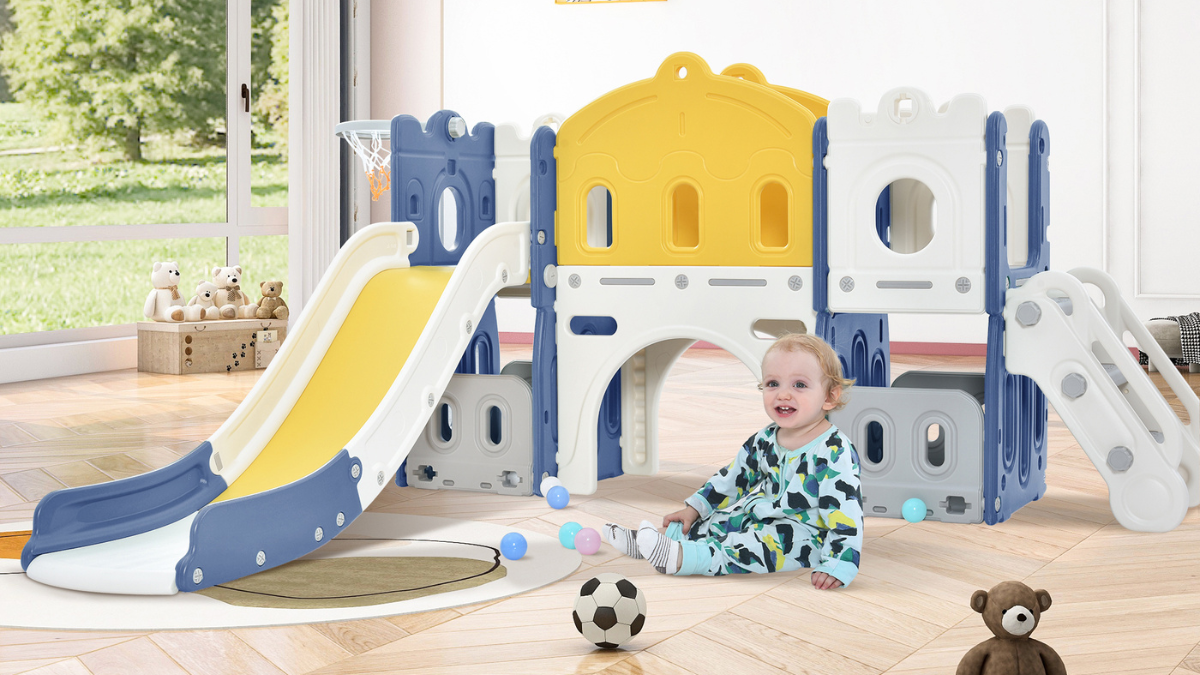
Early childhood is one of the most transformative periods in human development. During these years, children develop cognitive foundations, emotional awareness, physical coordination, and crucial social skills that influence their later success in school and life. Among the many tools available to support young learners, playhouses remain one of the most effective. The Childlike Behavior Playhouse stands out as a meaningful, well-designed environment built to nurture children’s imagination, development, and curiosity.
The Importance of Play in Early Development
To understand why a well-designed playhouse matters, it’s essential to look at the role of play itself. According to child development research, play is the primary way young children learn. Through open-ended, exploratory play, children gain:
-
Early language and communication skills
-
Motor coordination and body awareness
-
Creativity and imagination
-
Emotional expression and coping skills
-
Social understanding and cooperation
-
Problem-solving and critical thinking abilities
A playhouse environment uniquely strengthens these areas because it invites children to create scenarios, act out real-world concepts, and interact with others in meaningful ways.
A Purposeful Space That Encourages Imagination
One of the most significant developmental benefits of the Playhouse is how naturally it invites imagination. A playhouse becomes whatever a child needs it to be: a home, a store, a doctor’s office, a castle, a spaceship, or something entirely original.
This type of imaginative engagement helps children develop:
1. Abstract Thinking
Children learn to represent ideas through pretend roles and actions. For example, using a toy phone or pretending to cook strengthens early symbolic thinking—a foundation for mathematics, reading, and problem-solving.
2. Creative Expression
The flexible design of the Childlike Behavior Playhouse encourages storytelling, character creation, and role-play. These activities enhance creativity, language development, and confidence.
3. Emotional Processing Through Pretend Play
Children often reenact situations they’re trying to understand, such as family routines or social interactions. A playhouse gives them a safe space to explore emotions, rehearse real-life scenarios, and gain emotional understanding.
Supporting Social and Cooperative Play
Children naturally gravitate toward group activity when using a playhouse. It becomes a social hub—creating a perfect environment for learning cooperation, negotiation, and communication.
1. Building Communication Skills
Within the playhouse, children initiate conversations, assign roles, and negotiate storylines. Whether they’re playing family or running an imaginary bakery, they practice:
These are essential skills that transfer directly into academic success.
2. Learning to Collaborate
Playhouses encourage teamwork. Children share tools, take turns, divide responsibilities, and problem-solve together. This collaborative play builds social intelligence and empathy.
3. Conflict Resolution Practice
Conflicts arise naturally when children play—who gets which role, whose idea to follow, how to organize the space. The Childlike Behavior Playhouse creates a realistic environment for children to learn peaceful negotiation and compromises.
Boosting Cognitive Development Through Exploration
Beyond social and emotional development, the Childlike Behavior Playhouse helps expand cognitive skills through hands-on exploration, pretend scenarios, and decision-making.
1. Strengthening Problem-Solving Abilities
Children are constantly solving problems in a playhouse environment:
-
“How do we set up the space for our imaginary shop?”
-
“How many chairs do we need for our pretend family dinner?”
-
“What should we do when something doesn’t fit or won’t stay balanced?”
This builds flexible thinking and resilience.
2. Enhancing Early Math and Logic
Through play, children naturally practice basic math concepts:
These small activities create the foundation for early numeracy.
3. Richer Language and Vocabulary Growth
Every pretend scenario introduces new words—kitchen terms, job titles, household objects, storytelling phrases, and more. A playhouse turns vocabulary into action, helping children retain and understand language deeply.
A Safe Environment for Emotional Expression
Children often struggle to articulate their feelings verbally, but they express them easily through play. The Childlike Behavior Playhouse provides a secure space for children to explore emotions through role-play, imaginative storytelling, or quiet retreat.
1. Emotional Regulation Practice
Acting out feelings helps children understand and manage them. When they pretend that a doll is sad or afraid, they practice identifying emotional cues and responding empathetically.
2. Strengthening Self-Confidence
Every time a child controls an imaginative scenario, makes decisions, solves problems, or leads a cooperative activity, their confidence increases. A playhouse gives them a sense of autonomy and mastery.
3. A Calm, Private Space When Needed
Sometimes children simply need a cozy environment where they can relax, reflect, or play quietly. The private, child-sized structure of the playhouse offers a comforting retreat that feels like their own special world.
Physical Development Through Active Play
Although a playhouse emphasizes imagination, it also supports physical development. Children engage in a range of movements such as crawling, bending, reaching, climbing, and fine-motor manipulation of small objects or play tools.
1. Fine Motor Coordination
Children practice small muscle movements when they:
-
Open and close playhouse doors
-
Arrange play food or accessories
-
“Cook” or “build” items
-
Handle pretend groceries, tools, or props
These tasks build dexterity and hand-eye coordination.
2. Gross Motor Movement
Depending on setup, a playhouse encourages:
These movements improve balance, spatial awareness, and body control.
Indoor and Outdoor Use for Flexible Learning
One of the advantages of thePlayhouse is its versatility. It can be used indoors for quiet imaginative play or moved outdoors for energetic exploration, giving children diverse play experiences.
Indoor Benefits
Outdoor Benefits
-
Exposure to natural light and fresh air
-
Freedom for louder, more active play
-
Integration with natural materials (leaves, sticks, rocks)
-
Opportunities for sensory exploration
This dual functionality makes the playhouse suitable for homes, schools, daycares, and therapy environments.
Encouraging Independent Exploration
A high-quality playhouse empowers children to play independently, an essential skill for building focus, confidence, and self-motivation.
1. Children Create Their Own Rules
Inside the playhouse, children control the rhythm of play. This autonomy encourages critical thinking, decision-making, and leadership.
2. A Safe Space to Explore Ideas
Children often try out roles they see in everyday life—parent, doctor, builder, teacher. Practicing these roles supports early career curiosity, empathy, and social awareness.
3. Promoting Longer Attention Spans
Open-ended play environments naturally extend children’s focus. Many children can play in a playhouse for long periods, creating stories, decorating the interior, or organizing activities.
Why Parents and Educators Value the Childlike Behavior Playhouse
This is loved by families and educators for its thoughtful design, durable structure, and developmental benefits. It blends fun with learning, helping children grow while enjoying meaningful play.
Key benefits include:
-
Encourages creativity and imagination
-
Supports developmental milestones
-
Fosters collaboration and social skills
-
Strengthens language and communication
-
Promotes self-confidence and emotional awareness
-
Offers flexible indoor/outdoor use
-
Provides a safe, child-centered environment
For parents, it becomes a valuable tool to keep children engaged in healthy play. For teachers and caregivers, it becomes a structured yet flexible environment for observing and supporting learning.
Final Thoughts: A Meaningful Investment in Childhood Development
The Childlike Behavior Playhouse is more than a toy—it’s a rich developmental environment. It supports creativity, cognitive growth, emotional processing, and social learning, all while bringing joy and imagination into daily play. Whether used at home or in educational settings, it gives children the freedom to explore, create, and grow in ways that foster well-rounded development.
For families seeking meaningful tools that contribute to lifelong learning, this playhouse is a valuable and lasting investment in early childhood.