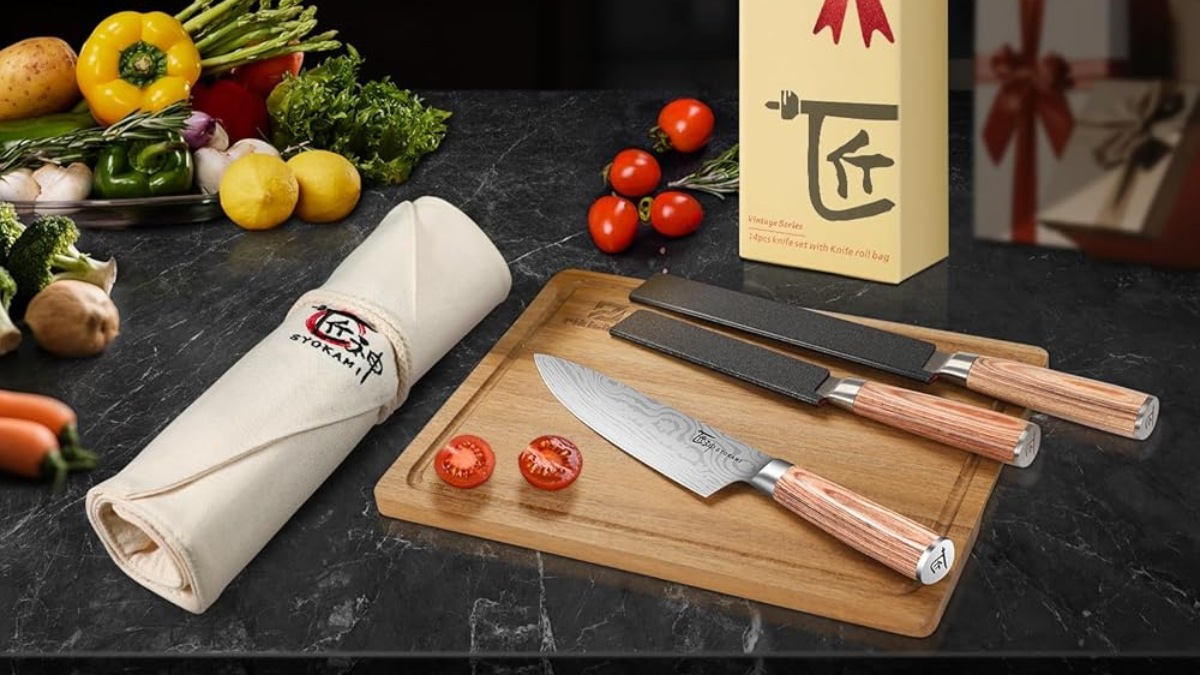
Home cooks and culinary enthusiasts have become increasingly selective about their kitchen tools, especially knives. A good kitchen knife is more than just a cutting instrument—it is an extension of the cook’s hand, influencing efficiency, safety, and enjoyment in the kitchen. Among the growing number of knife brands gaining attention worldwide, SYOKAMI Kitchen Knives have carved out a solid reputation for offering Japanese-inspired design, practical features, and accessible pricing.
The Philosophy Behind SYOKAMI
Positions itself as a brand that blends traditional Japanese knife aesthetics with modern kitchen needs. While the knives are not handcrafted by traditional Japanese swordsmiths, they take inspiration from Japanese blade profiles, cutting angles, and minimalist design. The goal is to deliver sharp, durable, and visually appealing knives that are accessible to home cooks rather than reserved for professional chefs only.
The brand focuses on functionality and versatility, often incorporating thoughtful design elements such as ergonomic handles, multi-purpose blade shapes, and practical accessories. This approach makes especially attractive to people who want high performance without paying premium prices associated with elite Japanese knife brands.
Materials and Blade Construction
One of the most important aspects of any kitchen knife is the steel used in its blade. Typically made from high-carbon stainless steel, a popular choice that balances sharpness, durability, and corrosion resistance. This type of steel allows the knife to hold a sharp edge longer than standard stainless steel while remaining easier to maintain than ultra-hard specialty steels.
Most SYOKAMI blades fall within a Rockwell hardness rating of around 56–58 HRC. This range is ideal for everyday kitchen use: hard enough to maintain sharpness but not so brittle that the blade chips easily. For home cooks who may not sharpen their knives frequently or who use different cutting boards, this balance is a practical advantage.
The blades are usually hand-polished and sharpened at a relatively acute angle, often close to 15 degrees per side, which is typical of Japanese-style knives. This results in cleaner cuts, less resistance when slicing, and improved precision when working with vegetables, meat, and fish.
Blade Types and Versatility
Offers both individual knives and complete knife sets, giving users flexibility depending on their cooking habits. Popular blade styles include:
-
Chef’s knives for general-purpose chopping, slicing, and dicing
-
Santoku-style knives designed for precise vegetable and protein preparation
-
Cleavers suitable for meat, poultry, and heavy chopping
-
Multi-purpose or “3-in-1” knives that combine features of chef, nakiri, and santoku blades
Also include creative features such as herb strippers built into the spine of the blade, which can save time during meal prep. While not essential, these additions highlight the brand’s focus on convenience and innovation.
Handle Design and Ergonomics
A knife’s handle plays a crucial role in comfort and safety, especially during extended use. Typically feature ergonomic wooden handles, often made from pakkawood or similar composite materials. These handles are designed to resist moisture, prevent slipping, and maintain structural integrity over time.
The handle shape is usually contoured to fit naturally in the hand, offering good control whether using a pinch grip or a traditional handle grip. For home cooks who prepare meals daily, this ergonomic design helps reduce hand fatigue and improves overall cutting accuracy.
Aesthetic appeal is another strong point. The combination of polished steel blades and warm wooden handles gives SYOKAMI knives a professional yet inviting look, making them suitable for both practical use and countertop display.
Performance in the Kitchen
In real-world kitchen use, it perform well across a wide range of tasks. The sharp factory edge allows for effortless slicing of vegetables, clean cuts through boneless meats, and smooth chopping motions. When used properly, the blades glide through food rather than crushing it, preserving texture and appearance.
For heavier tasks, such as breaking down poultry or chopping dense vegetables, SYOKAMI cleaver-style knives provide the necessary weight and balance. The knives are generally well-balanced, with neither blade-heavy nor handle-heavy designs, making them comfortable to maneuver.
Edge retention is solid for the price point. With regular home use, most knives maintain their sharpness for weeks or months before requiring honing or sharpening. Occasional sharpening with a whetstone or honing rod is sufficient to keep them performing at their best.
Maintenance and Care
One of the advantages is their relatively low maintenance compared to high-end carbon steel blades. Because they are made from high-carbon stainless steel, they resist rust and staining when properly cared for.
Basic care recommendations include:
-
Hand washing only (avoid dishwashers)
-
Drying immediately after washing
-
Using wooden or plastic cutting boards
-
Storing knives in a block, magnetic strip, or protective sheath
Following these simple steps helps preserve both the blade edge and the handle, extending the lifespan of the knife.
Knife Sets vs. Individual Knives
Offers knife sets that range from compact collections to 14-piece sets with storage solutions such as magnetic blocks or knife rolls. These sets are appealing for people setting up a new kitchen or those who want a coordinated, all-in-one solution.
However, individual knives are also a smart choice for cooks who prefer to build their collection gradually. Purchasing a single chef’s knife or cleaver allows users to test the brand’s quality before committing to a full set.
Value for Money
One of SYOKAMI’s strongest selling points is value for money. The brand sits comfortably in the mid-range price category, offering better performance and design than entry-level knives without the high cost of premium Japanese or German brands.
For home cooks, this balance is ideal. You get sharp, reliable, and attractive knives that can handle everyday cooking demands without requiring professional-level maintenance or investment.
These are well suited for:
-
Home cooks who want sharp, stylish knives without overspending
-
Beginners looking for reliable, easy-to-maintain knives
-
Enthusiasts who appreciate Japanese-inspired design
-
Gift buyers seeking a practical yet impressive kitchen present
Professional chefs or knife collectors seeking rare steels or traditional hand-forged craftsmanship may look elsewhere, but for most households, SYOKAMI delivers exactly what is needed.
Final Thoughts
Offer a compelling combination of sharp performance, thoughtful design, and affordability. By blending Japanese-style blade geometry with modern materials and ergonomic handles, the brand has created knives that are both functional and attractive. Whether you choose a single multi-purpose knife or a complete knife set, they provides dependable tools that enhance the cooking experience.
For anyone looking to upgrade their kitchen without entering the premium price bracket, These are a practical and worthwhile choice.