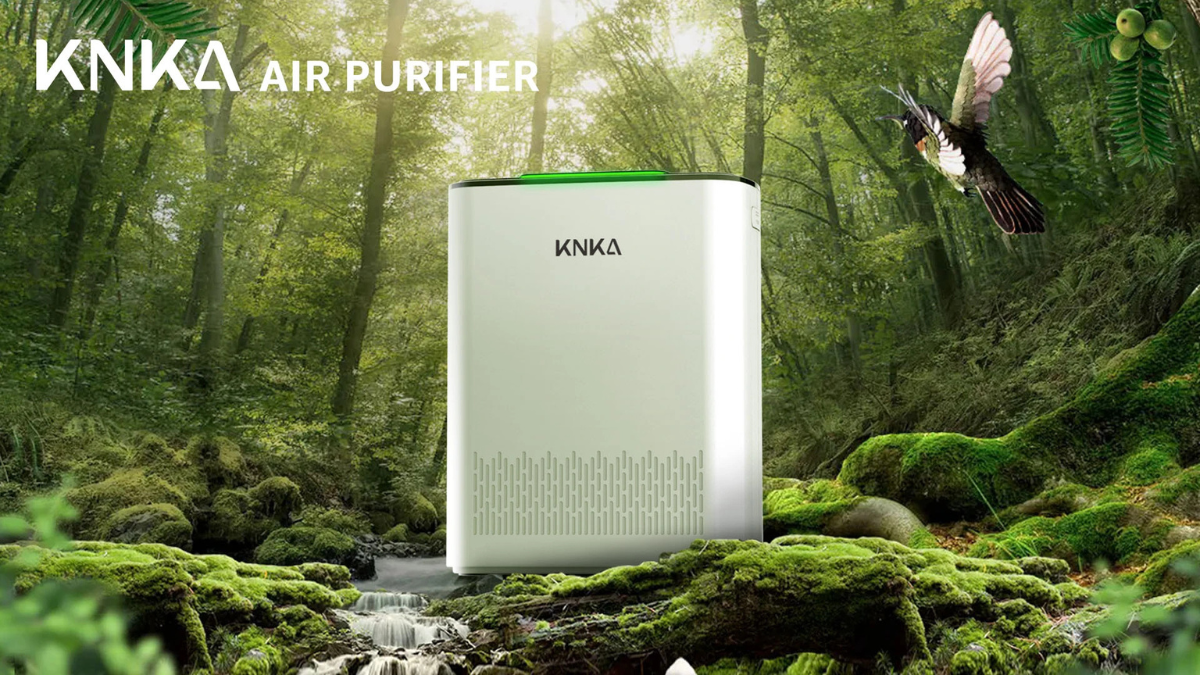
Air quality has become an increasingly important concern for households around the world. Whether it’s urban pollution, allergens, pet dander, or lingering odors, many people are turning to air purifiers as a solution. Among the growing number of brands in this space, they have started gaining attention for offering feature-rich devices at relatively affordable prices.
Understanding KNKA as a Brand
A relatively newer player in the home appliance market, focusing primarily on air treatment products such as air purifiers and dehumidifiers. Unlike long-established brands, they positions itself as a value-oriented option—offering modern features and large-room coverage at a lower cost. This strategy makes their products particularly appealing to budget-conscious buyers who still want advanced functionality.
However, being a newer or lesser-known brand also comes with trade-offs. It does not yet have the same track record, widespread service network, or long-term reliability data as industry leaders. This doesn’t necessarily mean the products are poor, but it does mean buyers should evaluate them with a bit more scrutiny.
Key Features of KNKA Air Purifiers
One of the main reasons is attract attention is the range of features packed into their units. On paper, they compete surprisingly well with more expensive alternatives.
They use a True HEPA (H13) filter, which is capable of capturing up to 99.97% of airborne particles as small as 0.3 microns. This includes dust, pollen, mold spores, and even some bacteria. For households dealing with allergies, this is a major benefit.
2. Multi-Stage Filtration System
Typically include a three-stage filtration system:
- Pre-filter for large particles like hair and lint
- HEPA filter for fine particles
- Activated carbon filter for odors, smoke, and volatile organic compounds (VOCs)
This layered approach ensures more comprehensive air cleaning compared to single-filter systems.
3. Large Coverage Area
One of KNKA’s biggest selling points is its claimed room coverage. Some models advertise coverage of 1,000 to 3,500 square feet, which is quite high for their price range. This makes them suitable for living rooms, open-plan spaces, and even small offices.
That said, it’s important to understand that coverage ratings often depend on air changes per hour (ACH). A purifier might cover a large area but clean the air less frequently in that space. Buyers should look for CADR (Clean Air Delivery Rate) when possible, although KNKA doesn’t always emphasize this metric.
They include modern conveniences such as:
- Air quality sensors and real-time AQI display
- Auto mode that adjusts fan speed based on air quality
- Timer settings and sleep mode
- Touchscreen controls
- App connectivity (in select models)
These features add convenience and allow the device to operate efficiently without constant manual adjustment.
5. Quiet Operation
Noise is a major concern for air purifiers, especially in bedrooms. Many models often include a sleep mode that reduces noise levels to around 22–24 dB, which is comparable to a whisper. This makes them suitable for nighttime use.
Performance in Real-World Use
It look impressive on paper, real-world performance is what truly matters.
Air Cleaning Efficiency
In small to medium-sized rooms, they generally perform well. They can noticeably reduce dust, pet dander, and odors within a short period. Users often report cleaner-smelling air and reduced allergy symptoms after consistent use.
In larger spaces, performance can vary. While the purifier may still improve air quality, it may not achieve the same level of efficiency as higher-end brands with stronger fans and higher CADR ratings.
Odor Removal
Thanks to the activated carbon filter, these are effective at removing common household odors such as cooking smells, pet odors, and smoke. However, the effectiveness depends on the thickness and quality of the carbon layer, which may not be as robust as premium models.
Ease of Use
These are generally user-friendly. Setup is straightforward, and the controls are intuitive. The inclusion of features like auto mode and air quality indicators makes them easy to operate even for first-time users.
1. Affordability
Perhaps the biggest advantage is price. They offers large-room purifiers at a fraction of the cost of premium brands. This makes them accessible to a wider audience.
2. Feature-Rich Design
Despite the lower price, they includes many features typically found in higher-end models, such as smart controls and air quality monitoring.
3. Good for Everyday Use
For general air cleaning—reducing dust, allergens, and mild odors—KNKA performs adequately and meets the needs of most households.
4. Quiet and Bedroom-Friendly
Low noise levels make KNKA purifiers suitable for sleeping areas, which is a significant plus.
Limitations and Considerations
1. Brand Reputation and Reliability
It does not yet have the same level of trust or long-term reliability data as established brands. Some users report inconsistent build quality or shorter product lifespan.
2. Filter Availability
Replacement filters may not be as widely available as those for major brands. This could become inconvenient over time, especially in regions with limited distribution.
3. Overstated Coverage Claims
Like many budget brands, It may advertise optimistic room size coverage. In practice, optimal performance is usually achieved in smaller spaces than advertised.
4. Limited Customer Support
Customer service and warranty support may not be as robust or accessible, depending on your location.
Who Should Buy a KNKA Air Purifier?
These are a good fit for:
- Budget-conscious buyers
- Small to medium-sized rooms
- General air quality improvement (dust, pollen, light odors)
- Bedrooms and quiet environments
They may not be ideal for:
- Large open spaces requiring high airflow
- Users with severe allergies or respiratory conditions
- Those seeking long-term durability and strong after-sales support
Tips Before Buying
If you’re considering a KNKA air purifier, keep these tips in mind:
- Check the actual room size you plan to use it in, and choose a model rated for slightly larger coverage.
- Look for filter replacement availability in your area before purchasing.
- Compare with established brands to see if a slightly higher investment offers better long-term value.
- Read recent user reviews to understand real-world performance and reliability.
Final Verdict
Represent a compelling option in the budget segment. They offer a combination of modern features, decent filtration, and quiet operation at a price point that’s hard to ignore. For everyday use in small to medium-sized rooms, they can significantly improve air quality and provide a more comfortable living environment.
However, they are not without drawbacks. Questions around long-term durability, filter availability, and performance in large spaces mean they may not be the best choice for everyone. Buyers looking for a proven, long-lasting solution may want to consider more established brands, even at a higher cost.
In the end, they strike a balance between affordability and functionality. If you understand their limitations and use them within their ideal conditions, they can be a practical and worthwhile addition to your home.