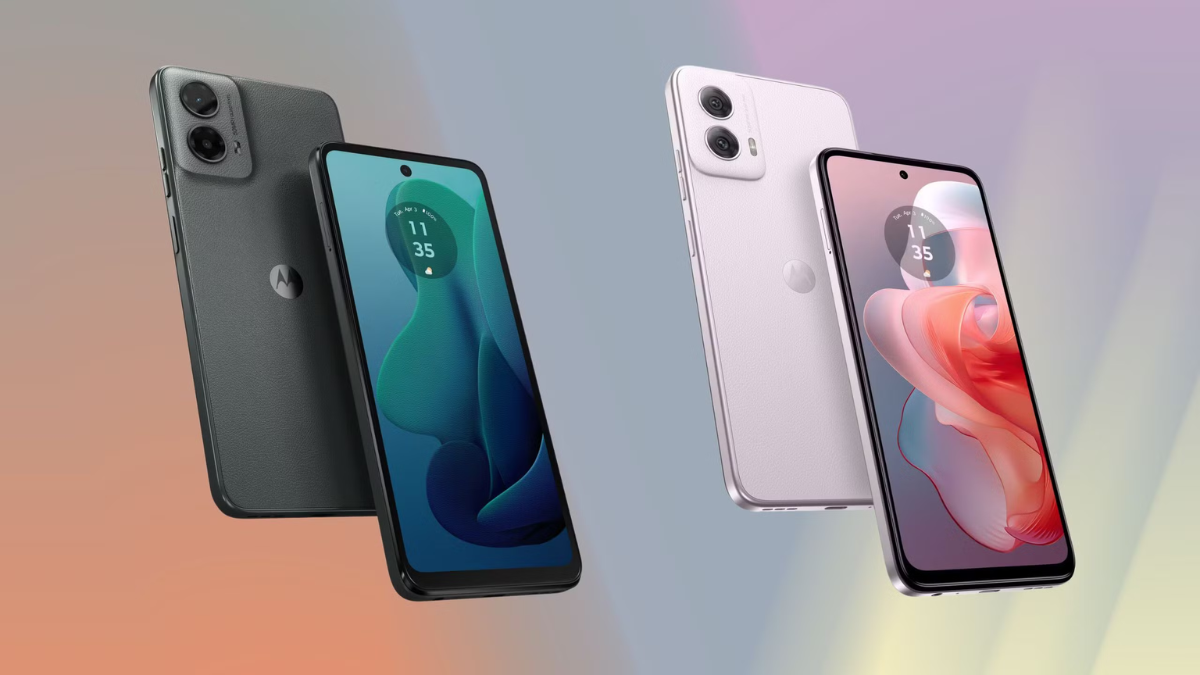
The smartphone market is highly competitive, especially in the budget and mid-range segment where consumers expect strong performance, modern features, and long-term reliability at an affordable price. One brand that has consistently delivered value in this space is Motorola, particularly through its popular Moto G series. Since its introduction, they has become known for offering dependable performance, clean software, and impressive battery life without the premium price tag.
The History of the Motorola Moto G Series
Motorola introduced the Moto G series in 2013 with a simple goal: to deliver a smartphone that offered smooth performance and a clean Android experience at a price accessible to most users. At a time when many budget phones compromised heavily on quality, the Moto G stood out for its reliability and thoughtful design.
Over the years, they has expanded into multiple variants, including Moto G Power, Moto G Stylus, and 5G-enabled models. Despite these changes, the core philosophy has remained the same—provide practical features that meet everyday needs without unnecessary complexity.
Design and Build Quality
These are designed with practicality in mind. While they may not feature premium materials like glass backs or metal frames found in flagship devices, Moto G phones are built to be durable and comfortable to use. Most models use high-quality plastic materials that feel solid and resist everyday wear and tear.
The design language is clean and minimalistic. Rounded edges, slim profiles, and lightweight construction make these phones easy to handle for extended periods. Motorola often includes water-repellent coatings, which add a layer of protection against accidental spills and light rain—an impressive feature in the budget segment.
Display Experience
Displays on Moto G devices are designed to balance size, clarity, and efficiency. Most recent models feature large screens ranging from 6.5 to 6.7 inches, making them ideal for media consumption, gaming, and multitasking.
While many Moto G phones use LCD panels rather than OLED, the displays still deliver good color accuracy and brightness for daily use. Higher refresh rates, such as 90Hz or 120Hz on select models, enhance scrolling smoothness and overall responsiveness. Although resolution is often limited to HD+ or Full HD+ depending on the model, the display quality remains competitive for the price.
Performance and Hardware
Performance has always been a key focus of the Moto G lineup. Typically equips these phones with efficient mid-range processors from Qualcomm or MediaTek, ensuring smooth performance for common tasks such as web browsing, social media, video streaming, and light gaming.
Paired with sufficient RAM and expandable storage options, Moto G phones handle multitasking reasonably well. While they are not designed for heavy gaming or demanding professional applications, they deliver reliable performance for everyday users. This balance between power and efficiency helps keep costs low while maintaining a smooth user experience.
Software and User Experience
One of the strongest advantages is its software experience. This is known for offering a near-stock version of Android, free from excessive pre-installed applications and unnecessary customizations. This results in a clean, fast, and intuitive interface.
In addition to stock Android, They includes subtle enhancements such as Moto Gestures. Features like twisting the phone to open the camera or chopping motions to turn on the flashlight add convenience without cluttering the system. These thoughtful additions enhance usability while preserving Android’s simplicity.
Battery Life and Charging
Battery life is one of the most praised aspects of the Moto G lineup. Many models come equipped with large batteries, often around 5000 mAh, allowing users to comfortably get through a full day or more on a single charge.
This long battery endurance makes the phones ideal for students, professionals, and travelers who rely heavily on their devices throughout the day. While charging speeds may not match flagship phones, fast charging support on many models ensures that users can quickly top up when needed.
Camera Capabilities
Camera performance is designed to be practical rather than cutting-edge. Most models feature high-resolution main sensors, often around 48 MP or 50 MP, which perform well in good lighting conditions. Photos typically display natural colors and decent detail for social media and everyday photography.
Additional lenses, such as ultra-wide or macro cameras, offer versatility, though their performance can vary. Low-light photography may be limited compared to premium devices, but for the price range, The cameras deliver satisfactory results that meet most users’ needs.
Connectivity and Additional Features
Modern Moto G smartphones support a wide range of connectivity options, including 4G and 5G networks, Wi-Fi, Bluetooth, and NFC on select models. Expandable storage via microSD cards remains a valuable feature, especially for users who store large amounts of media.
Also includes practical features such as side-mounted or rear fingerprint sensors, face unlock, and headphone jacks on many models—features that are becoming increasingly rare in higher-end smartphones.
Value for Money
This is widely regarded as offering excellent value for money. By focusing on essential features—strong battery life, clean software, dependable performance, and durable design—They creates devices that meet the needs of a broad audience.
Compared to competitors in the same price range, They often provide a smoother user experience and better long-term usability. This makes them a smart choice for users who want a reliable smartphone without paying premium prices.
Limitations and Considerations
Despite their strengths, Moto G smartphones do have limitations. Display technology may not be as advanced as OLED panels, camera performance can struggle in low light, and software update support is often limited compared to flagship devices.
However, these trade-offs are expected in the budget segment and do not significantly detract from the overall experience for most users.
Conclusion
The Motorola Moto G series continues to be a strong contender in the budget and mid-range smartphone market. With its emphasis on clean software, long battery life, and reliable performance, they delivers a balanced smartphone experience that appeals to a wide range of users.
Whether you are a student, a first-time smartphone user, or someone looking for a dependable secondary device, they offers a compelling combination of practicality and affordability. In a market filled with complex and expensive options, they stands out as a reminder that simplicity and reliability still matter.