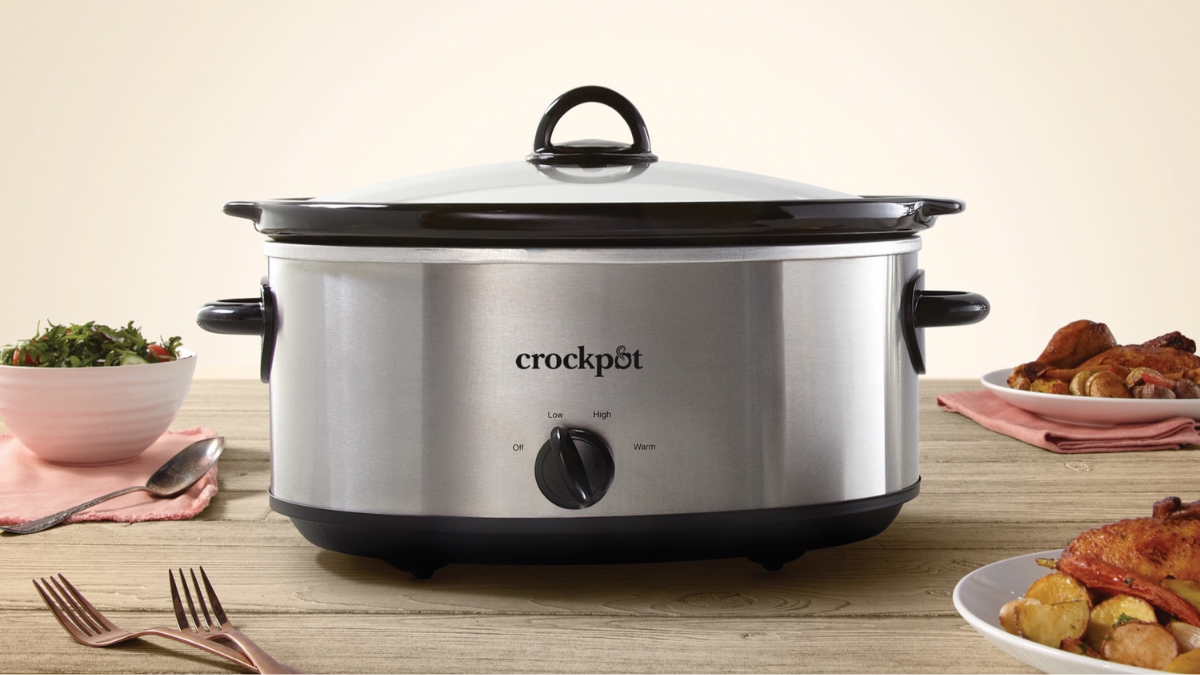
Convenience often dictates how we cook. Yet many of the most satisfying dishes—soups, stews, braises, and bean dishes—require long, slow cooking to develop depth of flavor. That’s where the Crock-Pot Cooker, better known as a slow cooker, comes in. Since its invention in the early 1970s, it has become a staple of kitchens worldwide, synonymous with tender meats, comforting one-pot meals, and the magic of “set it and forget it.”
A Brief History of the Crock-Pot
The Crock-Pot traces its roots to the 1940s, when Irving Naxon patented the Beanery All-Purpose Cooker, inspired by his grandmother’s tradition of slow-cooking cholent (a Jewish Sabbath stew). The appliance allowed beans and other dishes to simmer unattended for hours.
In 1971, Rival Manufacturing acquired Naxon Utilities and rebranded the Beanery as the Crock-Pot, marketing it as the perfect solution for busy families. The timing was ideal: more women were entering the workforce and looking for ways to prepare home-cooked meals without spending hours at the stove. The Crock-Pot promised to deliver hearty dinners with minimal supervision, and it quickly became a hit.
Today, the Crock-Pot brand belongs to Sunbeam Products (a subsidiary of Newell Brands) and continues to expand its lineup, offering programmable models, portable “Cook & Carry” designs, and even hybrid multicookers.
How a Crock-Pot Works
At its core, A low-temperature, moist-heat cooking appliance. It consists of three main parts:
-
Heating Base – Contains the electric element that applies gentle, consistent heat.
-
Removable Vessel – Traditionally made of glazed ceramic or stoneware, this heavy insert retains heat and distributes it evenly.
-
Lid – Typically glass, which traps moisture and allows you to peek inside without lifting.
When switched on, the base heats the vessel, which then slowly raises the food’s temperature. Unlike stovetop or oven cooking, the temperature remains below boiling, usually between 170°F (77°C) and 280°F (138°C). This makes it ideal for breaking down tough cuts of meat, softening beans, and allowing flavors to meld.
Most models feature Low, High, and Warm settings. Some modern programmable versions add timers, automatic switches to warm mode, and digital displays for more precision.
Key Features of Crock-Pot Cookers
Here are some of the most notable features you’ll find:
-
Manual vs. Programmable
-
Manual models keep things simple: a dial for Low, High, and Warm.
-
Programmable cookers let you set cooking times, automatically shifting to Warm when done.
-
Capacity Options
-
Small (3–4 quarts) – Great for singles, couples, or side dishes.
-
Medium (5–6 quarts) – Perfect for families of 3–5.
-
Large (7–8+ quarts) – Suited for batch cooking, entertaining, or large families.
-
Cook & Carry Designs
-
Shape and Material
-
Oval vessels fit roasts and whole poultry better.
-
Round ones are compact, good for soups, curries, and smaller dishes.
-
Inserts are usually ceramic/stoneware; some models feature nonstick coatings.
-
Extra Functions
-
Some hybrid models can sauté, steam, bake, or pressure cook, acting as multicookers.
Advantages of Using a Crock-Pot
-
Convenience
-
Tender, Flavorful Results
-
Energy Efficiency
-
Versatility
-
Ideal for soups, stews, chilis, beans, curries, pulled pork, pot roasts, and even desserts like bread pudding.
-
Budget-Friendly Meals
-
Safe, Hands-Off Cooking
Drawbacks to Keep in Mind
-
Cooking Time
-
Texture Limitations
-
Space and Storage
-
Cleaning
-
Food Safety Concerns
Crock-Pot vs. Alternatives
Buying Guide: Choosing the Right Crock-Pot
Ask yourself these questions before purchasing:
-
How many people do I cook for?
-
3–4 quarts: couples or individuals.
-
5–6 quarts: families of four.
-
7–8 quarts: batch cookers and entertainers.
-
Do I want basic or programmable?
-
If you prefer simplicity, manual is fine.
-
If you want more control, programmable is worth the upgrade.
-
Will I take food on the go?
-
Do I need extra features?
Tips for Best Results
-
Layering Matters: Put root vegetables at the bottom, meat on top, then liquid and seasoning.
-
Don’t Overfill: Keep the pot two-thirds full for best circulation and safety.
-
Avoid Excess Liquid: Moisture doesn’t evaporate much; less liquid is needed than in stovetop recipes.
-
Resist Lifting the Lid: Every peek can add 15–20 minutes to cooking time.
-
Use the Right Cuts: Chuck roast, pork shoulder, chicken thighs—these shine in a slow cooker.
For busy families, working professionals, or anyone who loves hearty, comforting meals, this is one of the most valuable kitchen tools. It delivers convenience, consistent results, and helps stretch food budgets. While it may not replace fast cooking appliances like an Instant Pot, it occupies a unique niche: meals that require patience but minimal effort.
Conclusion
Stood the test of time because it does one thing exceptionally well: slow, steady cooking that turns simple ingredients into flavorful meals. From its invention in the 1970s to today’s programmable models, it has adapted to modern lifestyles while retaining its core strength—simplicity.
If you enjoy comfort food, batch cooking, or simply want to walk into your kitchen after work to find dinner waiting, this is worth every inch of counter space.