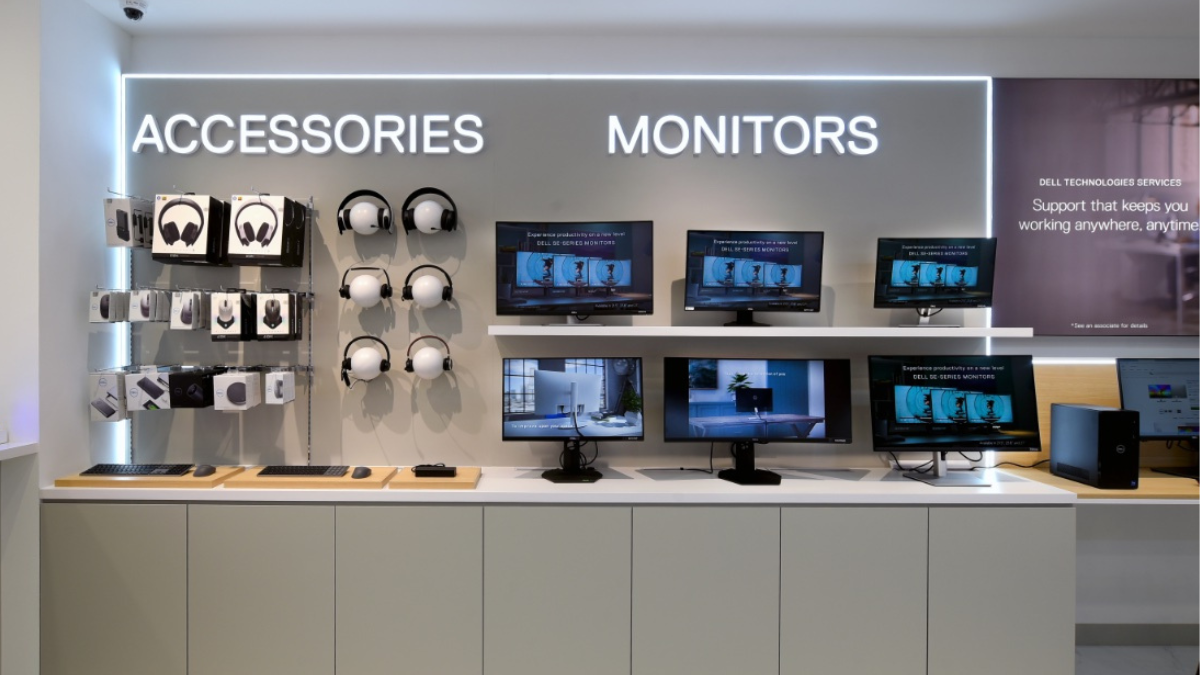
When people think of computer technology, one of the first names that comes to mind is Dell. From its humble beginnings in a Texas dorm room to becoming a multinational technology powerhouse, Dell has played a pivotal role in shaping the PC revolution and now the age of artificial intelligence (AI).
A Brief History of Dell
It was founded in 1984 by Michael Dell, who began building and selling customized PCs directly to consumers. This direct-to-customer model cut out middlemen, reduced costs, and gave Dell a competitive edge in the 1980s and 1990s.
By the early 2000s, Dell was one of the largest PC makers in the world, competing with brands like HP, Lenovo, and Apple. In 2016, it has acquired EMC Corporation in a $67 billion deal—the largest tech merger at the time—transforming the company into a comprehensive IT infrastructure provider.
Today, Dell operates two major divisions:
-
Client Solutions Group (CSG): PCs, laptops, and peripherals
-
Infrastructure Solutions Group (ISG): Servers, storage, networking, and enterprise solutions
Dell Today: Beyond Personal Computers
While many people still associate Dell with laptops, its business has shifted dramatically. In 2025:
-
The PC division generates over half of Dell’s revenue, though demand has declined in recent years.
-
The infrastructure division—servers, storage, and networking—has become the fastest-growing segment, driven by AI and cloud computing.
This balance has allowed Dell to remain relevant in both consumer and enterprise markets, something few tech companies achieve.
Dell’s Role in the AI Revolution
The biggest shift is its commitment to AI infrastructure. At Dell Technologies World 2025, the company unveiled its AI Factory initiative—a suite of servers, software, and managed services designed to help businesses deploy AI at scale.
Key elements include:
-
PowerEdge XE9785 Servers built for AI workloads
-
Partnerships with NVIDIA, AMD, and Intel for AI acceleration
-
Support for open-source large language models (LLMs) like Llama 3 and Mistral
-
Zero-trust security frameworks to protect AI systems
Michael Dell has emphasized that AI will augment human productivity rather than replace workers. This positions Dell as a partner for enterprises looking to integrate AI responsibly.
Innovations in Consumer Products
Even as Dell focuses on enterprise solutions, it continues to innovate in the consumer space. In 2025, Dell laptops and desktops are:
-
AI-enabled with built-in neural processing units (NPUs)
-
Designed for hybrid work, featuring lightweight builds and long battery life
-
Powered by Qualcomm and Intel chips optimized for AI tasks
XPS line remains a favorite among professionals and students, while the Alienware brand continues to dominate in gaming PCs.
Strengths of Dell
-
Brand Legacy – Over 40 years of trust in technology and IT infrastructure.
-
Enterprise Leadership – Strong foothold in servers, storage, and networking.
-
AI Focus – Positioned as a leading provider of AI infrastructure.
-
Flexible Business Model – Serving both consumers and enterprises.
-
Global Reach – Presence in more than 180 countries.
Challenges Facing Dell
-
PC Market Decline – Consumer PC demand has fallen since the pandemic.
-
Thin Margins – Competitive pricing pressures profits.
-
Strong Competition – Faces rivals like HP, Lenovo, Apple, and Amazon Web Services.
-
Economic Volatility – Global inflation and supply chain disruptions impact sales.
-
Balancing Growth – Dell must balance its consumer heritage with its enterprise ambitions.
Dell vs Competitors
| Feature |
Dell Technologies |
HP Inc. |
Lenovo |
Apple |
| Strength Area |
Enterprise + PCs |
Consumer PCs |
Global scale PCs |
Premium laptops & ecosystem |
| AI Infrastructure |
Strong (AI Factory) |
Limited |
Growing |
Minimal focus |
| Market Share PCs |
~16% worldwide |
~13% |
~20% |
~9% |
| Innovation Focus |
AI + enterprise systems |
Consumer hardware |
Affordable PCs |
Ecosystem + design |
Dell’s advantage lies in being a hybrid tech leader, strong in both consumer laptops and enterprise AI infrastructure, while Apple thrives on ecosystem lock-in and Lenovo on affordability.
Dell’s Social Impact & Sustainability
Dell has also committed to sustainability goals for 2030, aiming to:
-
Recycle or reuse an equivalent product for every device sold
-
Increase use of recycled and renewable materials in products
-
Achieve net-zero greenhouse gas emissions by 2050
Additionally, Dell invests in digital equity programs, ensuring underserved communities gain access to technology, education, and training.
Financial Outlook
Remains financially strong, though it faces margin pressures. In 2025:
-
Infrastructure division growth offsets PC sales decline.
-
Stock performance has been mixed—strong investor confidence in AI, but dips due to shrinking PC demand.
-
Analysts project Dell will remain a cornerstone for enterprise AI adoption, even if consumer sales stay flat.
Why Dell Still Matters
In a world dominated by cloud providers and mobile-first companies, still matters because it offers:
-
Scalable infrastructure for businesses adopting AI
-
Trusted devices for students, professionals, and gamers
-
A bridge between consumer computing and enterprise technology
Unlike many rivals, successfully reinvented itself multiple times—from PC pioneer to IT services giant to AI infrastructure provider.
The Future of Dell
Looking ahead, Dell’s future depends on:
-
AI Leadership – Expanding its role in AI deployment for enterprises.
-
Consumer PC Innovation – Staying competitive in laptops and gaming.
-
Global Growth – Strengthening presence in emerging markets.
-
Hybrid Work Solutions – Providing devices and services for remote work.
-
Sustainability Goals – Meeting environmental commitments to stay relevant with ESG-focused investors.
Conclusion
From a college dorm room startup to a global leader in AI and enterprise IT, it has proven it can adapt with the times. In 2025, the company stands at the forefront of AI infrastructure, while still delivering reliable consumer devices.
Despite challenges in the PC market, Dell’s enterprise strategy, AI investments, and sustainability initiatives ensure that it remains a critical player in global technology.
As the next wave of digital transformation unfolds, combination of heritage, innovation, and adaptability makes it a company to watch—one that has consistently proven it can not only survive but thrive in the ever-changing world of technology.