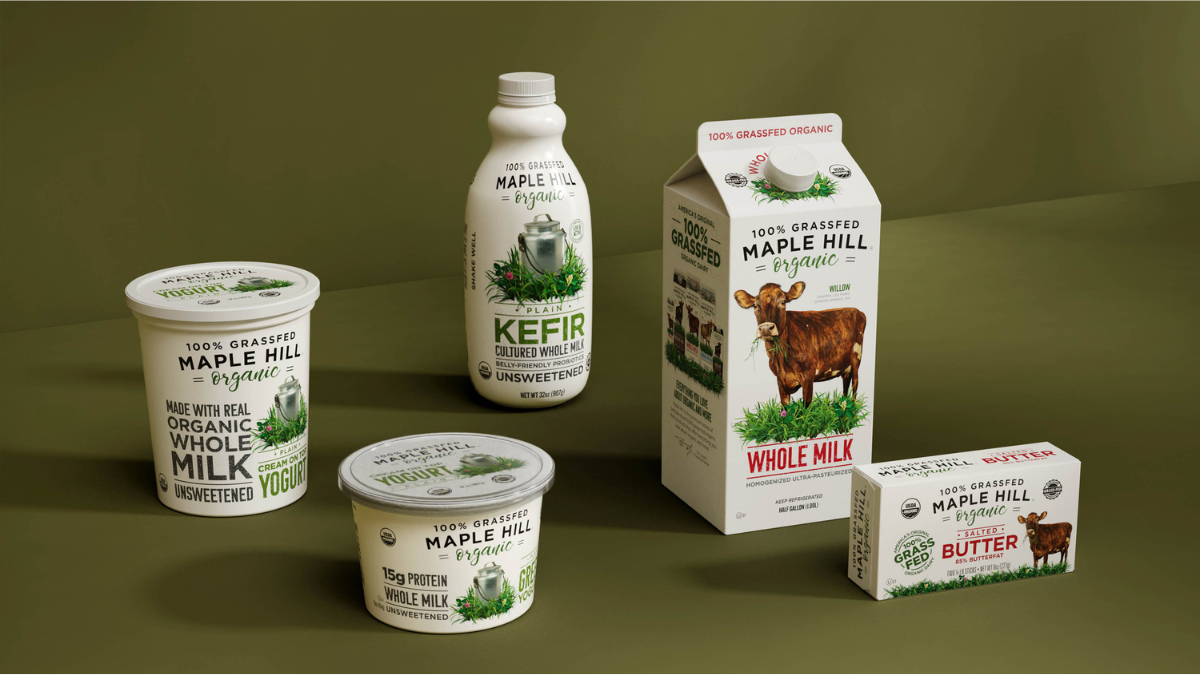
Milk has long been a staple in human diets, valued for its nutritional content and versatility. In recent years, however, consumers have become more selective about where their food comes from and how it is produced. This shift has led to increased interest in organic and grass-fed dairy products. One brand that stands out in this space is Maple Hill Creamery, known for its commitment to 100% grass-fed organic milk. Represents a farming philosophy that prioritizes animal welfare, environmental sustainability, and natural nutrition.
This is certified organic, 100% grass-fed dairy milk. Unlike conventional milk, which often comes from cows fed a diet that includes grains and corn, Maple Hill Creamery sources its milk exclusively from cows that eat grass and forage throughout the year. This feeding practice aligns with how cows naturally graze and digest food.
The brand works with a network of family-owned farms, primarily located in regions suitable for pasture-based farming. These farms follow strict organic standards, avoiding synthetic pesticides, hormones, and antibiotics.
The Grass-Fed Difference
What Does “100% Grass-Fed” Mean?
Grass-fed milk comes from cows that consume only grass and forage, rather than grain-based feeds. For Maple Hill Creamery, this means cows graze on pasture during the growing season and eat dried forage, such as hay, during colder months.
This approach differs from conventional dairy farming, where cows are often kept indoors and fed grain-heavy diets designed to maximize milk production.
Why Grass-Fed Matters
Grass-fed dairy farming has several implications:
-
It supports natural cow behavior
-
It can improve milk’s nutritional profile
-
It reduces reliance on industrial feed crops
-
It promotes soil health through pasture management
These factors contribute to Maple Hill Creamery’s appeal among environmentally and health-conscious consumers.
Organic Certification and Farming Practices
This is USDA-certified organic, meaning it meets strict federal standards. Organic dairy farming requires:
-
No synthetic fertilizers or pesticides on pasture
-
No genetically modified organisms (GMOs) in feed
-
No added growth hormones
-
Responsible antibiotic use, with treated cows removed from organic milk production
By adhering to these practices, Maple Hill Creamery ensures that its milk aligns with organic principles from farm to bottle.
Nutritional Profile of Maple Hill Creamery Milk
Milk is widely recognized as a source of essential nutrients, and grass-fed organic milk offers some notable differences compared to conventional milk.
Key Nutrients
They provides:
-
Protein – Supports muscle growth and repair
-
Calcium – Essential for bone and dental health
-
Vitamin D – Aids calcium absorption
-
Vitamin A – Supports vision and immune function
-
Healthy fats – Naturally occurring milk fats
Grass-Fed Nutritional Advantages
Research suggests that grass-fed milk may contain:
-
Higher levels of omega-3 fatty acids
-
A more balanced omega-6 to omega-3 ratio
-
Increased conjugated linoleic acid (CLA)
These nutrients are associated with heart health and anti-inflammatory benefits, making grass-fed milk appealing to those focused on balanced nutrition.
Taste and Quality
Many consumers describe as having a richer, creamier taste compared to conventional milk. This is partly due to:
Because the milk reflects the cows’ natural diet, its flavor may vary slightly throughout the year, a characteristic often appreciated by those who value natural food products.
Sustainability and Environmental Impact
Maple Hill Creamery’s pasture-based system supports environmental sustainability by:
Healthy pastures can act as carbon sinks, helping offset greenhouse gas emissions associated with dairy farming.
Supporting Family Farms
The company partners with small and mid-sized family farms, helping preserve rural farming communities. By paying fair prices for milk, they encourages farmers to maintain organic, grass-fed practices.
Types of Maple Hill Creamery Milk Products
Offers several milk options to suit different preferences, including:
These products allow consumers to choose based on dietary needs while maintaining grass-fed and organic standards.
Benefits of Choosing Maple Hill Creamery Milk
Health-Focused Choice
For individuals seeking natural, minimally processed foods, Maple Hill Creamery Milk aligns well with whole-food dietary approaches.
Grass-fed systems prioritize animal welfare by allowing cows to roam and graze freely, supporting physical and behavioral health.
Transparency and Trust
The brand emphasizes transparency in sourcing and production, which helps consumers feel confident about their purchasing decisions.
Environmental Responsibility
Pasture-based organic farming has a lower environmental footprint compared to large-scale industrial dairy systems.
Potential Limitations
Despite its advantages, It may not be the best choice for everyone.
Higher Price
Organic, grass-fed milk typically costs more than conventional milk due to:
Availability
Maple Hill Creamery products may not be available in all regions, depending on grocery distribution and local demand.
Dietary Restrictions
Milk is not suitable for individuals with lactose intolerance or dairy allergies, although lactose-free versions help address this concern.
How Maple Hill Creamery Milk Fits Into a Balanced Diet
It can be enjoyed:
-
As a beverage
-
In coffee or tea
-
With cereal or oatmeal
-
In cooking and baking
-
In smoothies and sauces
Because it is nutrient-dense, it fits well into balanced diets when consumed in moderation.
Comparison With Conventional Milk
Compared to conventional milk:
-
Comes from grass-fed rather than grain-fed cows
-
Follows organic standards
-
May offer improved fatty acid profiles
-
Reflects more natural farming methods
However, conventional milk remains more affordable and widely available, making consumer choice dependent on priorities such as cost, health, and sustainability.
Growing awareness of food sourcing, animal welfare, and environmental sustainability has increased demand for grass-fed organic dairy. Maple Hill Creamery Milk appeals to consumers who want:
This alignment with modern food values has helped the brand build a loyal customer base.
Conclusion
Represents a thoughtful approach to dairy production, combining traditional pasture-based farming with modern organic standards. Its emphasis on 100% grass-fed cows, environmental stewardship, and support for family farms sets it apart from conventional dairy options.
While it may cost more and be less widely available, the benefits—richer taste, strong nutritional value, ethical farming practices, and sustainability—make it an appealing choice for many consumers. For those seeking milk that aligns with natural, health-focused, and environmentally responsible values, They offers a compelling option in today’s dairy market.