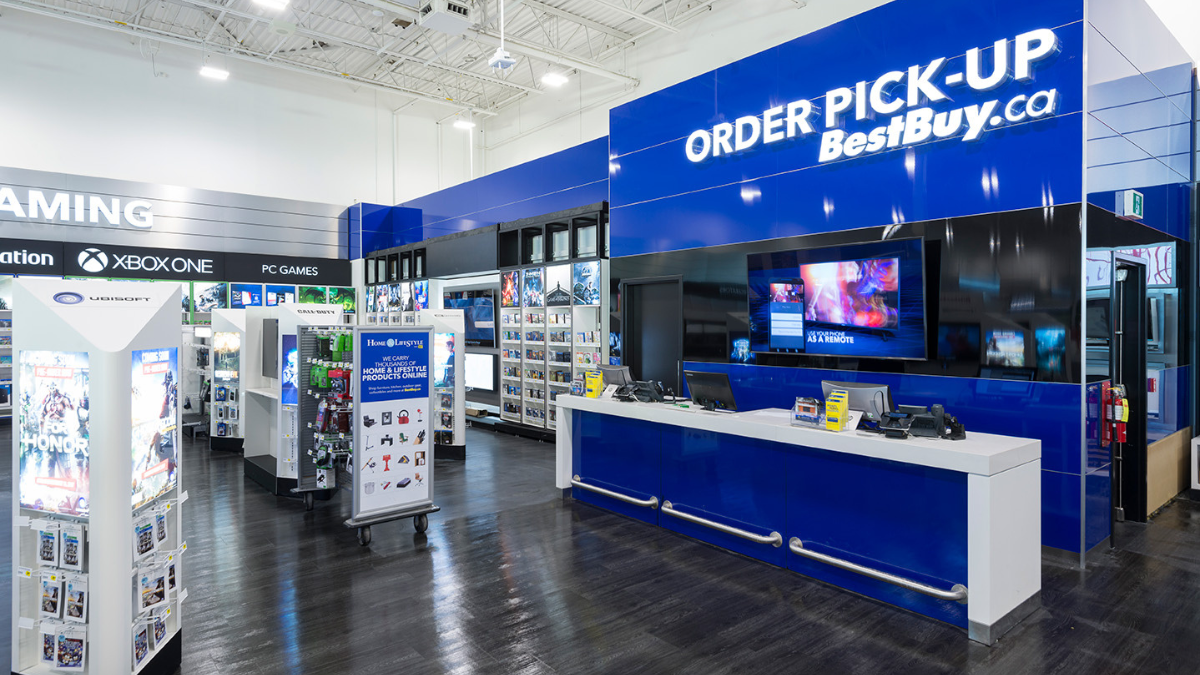
When people think of electronics and home technology shopping in North America, This is often the first name that comes to mind. From laptops and smartphones to home appliances and entertainment systems, Best Buy has built a reputation as the go-to store for both tech enthusiasts and everyday consumers.
Founded in 1966 as Sound of Music and rebranded as Best Buy in 1983, the company has grown into one of the largest consumer electronics retailers in the United States and Canada. But what makes Best Buy especially interesting is not just its size, but its ability to adapt to changing retail landscapes, from the rise of e-commerce to the new demand for same-day delivery.
A Brief History of Best Buy
Started in St. Paul, Minnesota, when founder Richard Schulze opened a small audio specialty store called Sound of Music. By 1983, it had transformed into Best Buy, adopting a big-box retail model and expanding into video equipment, home appliances, and computers.
In the 1990s and early 2000s, Best Buy surged ahead as a tech retail leader, acquiring brands like Magnolia Hi-Fi and launching its Geek Squad service. However, the company faced serious challenges during the 2010s with the rise of Amazon and online shopping.
Through innovation, restructuring, and a renewed focus on customer service, Best Buy survived what many analysts called the “Retail Apocalypse”—a period when other big-box stores like Circuit City, RadioShack, and Fry’s Electronics collapsed.
Best Buy’s Mission: Technology with a Human Touch
Best Buy’s mission is to “enrich lives through technology”, but the company understands that shopping for technology can be intimidating. That’s why Best Buy emphasizes in-person service, expert advice, and support programs to help customers make confident decisions.
Unlike pure online retailers, leverages its physical stores plus e-commerce to create a seamless shopping experience. Whether a customer wants to browse online, test a product in person, or have it delivered within hours, Best Buy provides options that align with modern shopping habits.
Key Features and Services
1. Geek Squad
Perhaps one of Best Buy’s biggest differentiators, Geek Squad provides tech support, repairs, and installation services. From fixing laptops to setting up smart home systems, Geek Squad makes technology accessible for all customers—not just the tech-savvy.
2. Best Buy Totaltech Membership
Launched to compete with subscription services like Amazon Prime, Totaltech offers:
This membership has helped Best Buy build customer loyalty while adding recurring revenue.
3. Omnichannel Shopping
It has excelled at creating an omnichannel retail model where customers can:
-
Order online and pick up in-store
-
Browse in-store and order for home delivery
-
Access exclusive deals via the Best Buy app
4. Best Buy Outlets
Recognizing demand for affordability, it has expanded its outlet stores, which sell clearance and open-box items at discounted prices.
5. Partnerships and Fast Delivery
In 2025, partnered with Uber Eats to provide same-day delivery of electronics and appliances, extending its convenience factor.
Adapting to the Future of Retail
Smaller, Digital-First Stores
This is experimenting with smaller-format stores that focus less on massive inventory and more on interactive displays, QR codes, and digital ordering kiosks. Customers can browse, test, and then quickly order products for delivery.
Outlet Expansion
Outlet stores are becoming a larger part of Best Buy’s footprint. They allow the company to efficiently manage returns, clearance, and refurbished goods while offering customers bargains backed by warranties.
Sustainability Efforts
Best Buy has been recognized for its electronics recycling programs, helping customers dispose of old devices responsibly. This aligns with increasing consumer demand for eco-friendly retail practices.
Strengths of Best Buy
-
Strong Brand Recognition: Trusted by millions across the U.S. and Canada.
-
Omnichannel Strategy: Successfully blends e-commerce with in-store service.
-
Geek Squad Advantage: Offers tech support Amazon can’t replicate.
-
Wide Product Range: From TVs to refrigerators, Best Buy covers every tech category.
-
Customer Loyalty Programs: Memberships keep customers engaged.
Weaknesses and Challenges
-
Competition with Amazon: Online price wars remain a challenge.
-
Dependence on Electronics Cycle: Demand can dip when consumers delay upgrades.
-
Store Closures: Some large stores have been phased out, which could limit reach.
-
Price Perception: Some shoppers assume Best Buy is more expensive than online alternatives, even when price-matching is available.
Best Buy vs Competitors
| Feature |
Best Buy |
Amazon |
Walmart |
| Physical Stores |
1,000+ in North America |
None |
4,500+ |
| Tech Support |
Geek Squad |
Minimal (remote help) |
Limited |
| Delivery Options |
Same-day via Uber Eats, store pickup |
Prime fast shipping |
In-store pickup, delivery |
| Membership |
Totaltech ($199/year) |
Amazon Prime ($139/year) |
Walmart+ ($98/year) |
Stands out by offering personalized, in-person service, something Amazon and Walmart can’t replicate on the same scale.
Financial Performance & Market Outlook
While consumer electronics retail can be volatile, it has shown resilience. In 2025, its stock price is up from early-year lows but still trails its peak highs. Investors see promise in its membership services, outlet expansion, and smaller store strategy.
Industry analysts believe Best Buy’s ability to adapt—instead of relying solely on traditional big-box stores—will be critical to its success over the next decade.
Final Verdict: Why Best Buy Still Matters
Despite challenges from online giants, Best Buy remains one of the most trusted names in consumer electronics. Its ability to combine service, convenience, and competitive pricing ensures that it continues to play a vital role in how people buy and use technology.
Whether you’re shopping for a new laptop, upgrading your kitchen appliances, or seeking expert tech advice, offers something Amazon and Walmart struggle to match: a human touch in a technology-driven world.
As the company continues experimenting with new store models, faster delivery, and sustainability initiatives, as a retail leader looks secure for years to come.