Microphones are essential tools in the world of audio production, communication, and entertainment. Whether used for music performances, podcasting, broadcasting, or recording, a high-quality microphone plays a crucial role in capturing clear and accurate sound. Among the many brands available in the audio equipment market, Shure Incorporated stands out as one of the most respected and trusted manufacturers. For decades, Shure microphones have been used by musicians, broadcasters, podcasters, and audio engineers around the world. Their reputation for durability, reliability, and exceptional sound quality has made them a standard in both professional and amateur audio environments.
The History of Shure
The story began in 1925 in Chicago, Illinois. Founded by Sidney N. Shure, the company initially started as a supplier of radio parts. As the demand for audio technology increased, Shure began developing its own microphones and audio equipment.
Over the years, Shure introduced several groundbreaking microphone designs that changed the audio industry. One of its most famous early microphones was the Unidyne Model 55, which became widely recognized due to its unique shape and strong sound performance. The company continued to innovate and expand its product line, eventually becoming a global leader in professional audio equipment.
Today, Shure microphones are used in recording studios, concert stages, conference halls, and broadcasting stations worldwide. Their long history of innovation and commitment to quality has helped establish the brand as one of the most trusted names in audio technology.
Why Shure Microphones Are So Popular
There are many reasons are widely used by professionals and beginners alike. Their popularity comes from a combination of sound quality, durability, versatility, and consistent performance.
Superior Sound Quality
One of the most important features of any microphone is its ability to capture sound accurately. Shure microphones are known for producing clear, natural, and well-balanced audio. Whether recording vocals, instruments, or spoken word, these microphones deliver consistent sound reproduction.
Shure engineers carefully design each microphone to handle specific audio applications. Some models emphasize vocal clarity, while others capture detailed instrument tones. This specialization allows users to choose the perfect microphone for their needs.
Another major advantage of Shure microphones is their durability. Many models are built with rugged metal construction designed to withstand heavy use. This makes them ideal for live performances, touring musicians, and environments where equipment may experience rough handling.
For example, the Shure SM58 is famous for its durability. Stories from musicians often describe the microphone surviving drops, rough travel, and even extreme stage conditions while continuing to function perfectly.
Effective Noise Rejection
They often feature cardioid or supercardioid pickup patterns. These patterns focus on capturing sound from the front of the microphone while reducing noise from the sides and back.
This directional design is particularly useful in live performances where background noise from instruments, speakers, and audiences can interfere with the main audio signal. By isolating the desired sound source, Shure microphones help maintain clear and focused audio.
Popular Shure Microphone Models
They produces a wide range of microphones for different purposes. Some are designed for studio recording, while others are built specifically for live performances or podcasting.
Shure SM7B
This is one of the most popular studio microphones available today. It is widely used for podcasting, radio broadcasting, voice-overs, and vocal recording.
The microphone is known for its warm and smooth sound profile, which works especially well for spoken voice and singing. It also includes a built-in pop filter that reduces plosive sounds such as “p” and “b” that can create unwanted bursts of air during recording.
Another advantage of the SM7B is its ability to reject background noise effectively. This makes it ideal for recording in environments that are not perfectly soundproof.
Because of these features, they has become a favorite among podcasters, streamers, and professional broadcasters.
Shure SM58
This is widely considered the industry standard for live vocal performances. Introduced in the 1960s, it quickly became one of the most widely used microphones in music history.
The SM58 features a built-in spherical wind and pop filter that helps reduce breath noise and vocal pops during singing. Its cardioid pickup pattern focuses on the performer’s voice while reducing background sound from instruments and stage monitors.
Many musicians appreciate the microphone’s rugged construction, which allows it to handle frequent use during concerts and tours.
Shure MV7
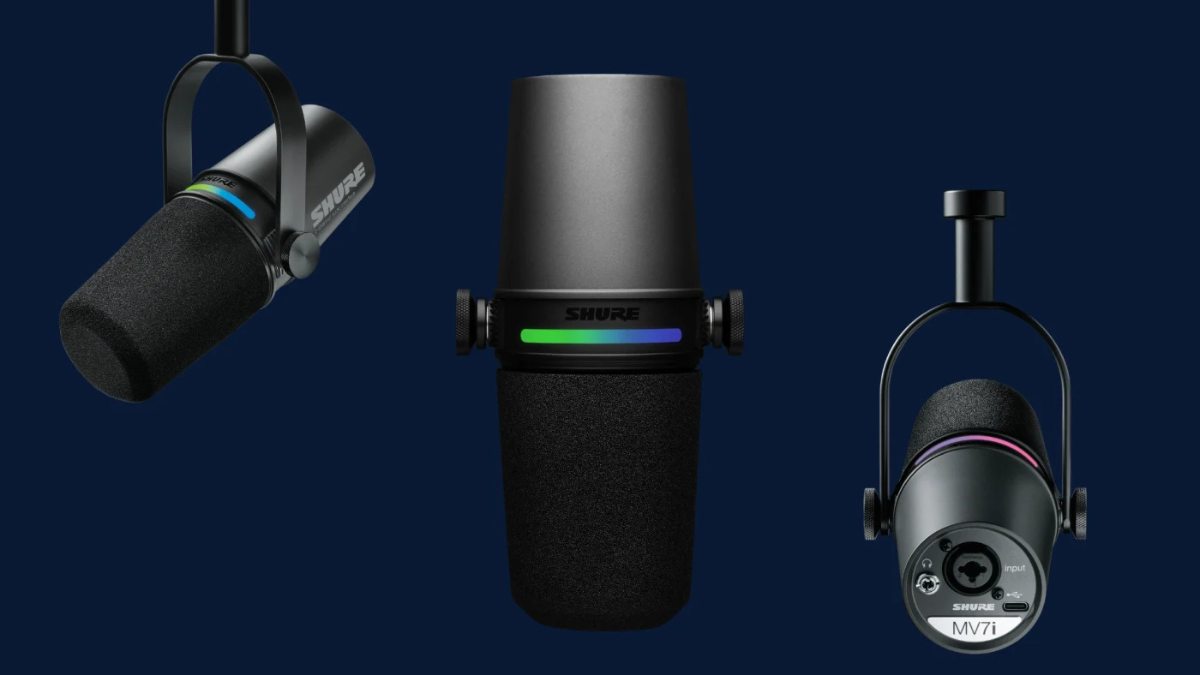
As podcasting and online content creation have grown in popularity, they introduced the MV7 microphone. Inspired by the SM7B, the MV7 offers modern connectivity options designed for digital creators.
The MV7 features both USB and XLR outputs, allowing it to connect directly to a computer or to a professional audio interface. This flexibility makes it ideal for beginners who want high-quality sound without complicated audio setups.
The microphone also includes touch controls and built-in digital processing, making it easy to adjust settings such as gain and headphone monitoring.
This is an upgraded version of the SM58 designed for professional stage performances. It features a supercardioid pickup pattern, which provides even better isolation from surrounding noise.
This microphone produces a stronger output signal and clearer vocal presence, making it popular among professional singers and touring performers.
Applications of Shure Microphones
These are used in many different fields of audio production.
Music Performance
Live concerts and musical performances require microphones that can capture vocals clearly while resisting feedback and background noise. Shure microphones, particularly the SM58 and Beta 58A, are commonly used on stages worldwide.
Podcasting and Streaming
Podcast creators and streamers rely on microphones that produce clear speech recordings. Models like the SM7B and MV7 have become extremely popular in this growing industry.
Studio Recording
In professional recording studios, microphones must capture detailed sound with minimal distortion. These are frequently used for recording vocals, guitars, drums, and other instruments.
Broadcasting and Public Speaking
Radio stations, television studios, and conference events often use Shure microphones because of their reliability and consistent audio performance.
There are several key advantages to choosing:
- Professional sound quality suitable for many audio applications
- Durable construction designed for long-term use
- Wide variety of models for different recording situations
- Strong reputation in the global audio industry
- Reliable performance in both studio and live environments
Because of these qualities, many audio professionals trust Shure microphones as their primary recording equipment.
Conclusion
For nearly a century, Shure Incorporated has played a major role in shaping the world of audio technology. Their microphones have become a trusted standard in music, broadcasting, podcasting, and live performance.
Whether you are a musician performing on stage, a podcaster recording episodes, or an audio engineer working in a studio, they provide the performance and dependability needed to capture great sound. Their combination of durability, clarity, and professional design ensures that they will continue to be a leading choice in the audio industry for many years to come.