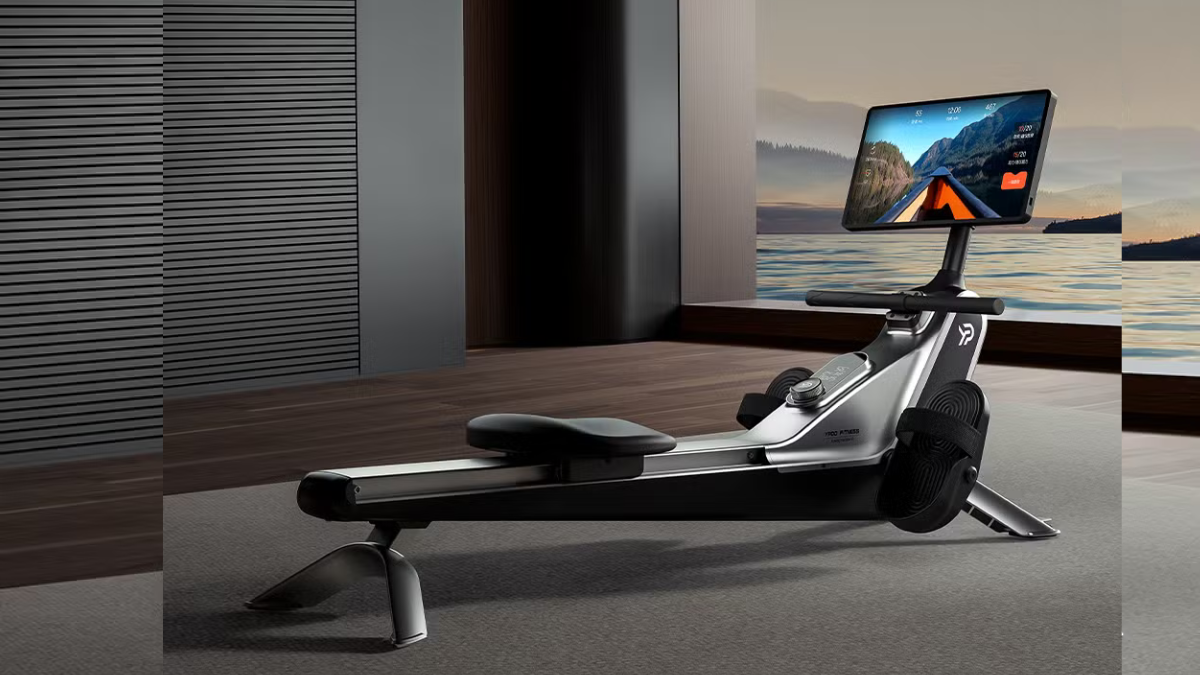
A rowing machine can be an excellent addition to a home gym because it combines cardiovascular exercise with resistance training in a single piece of equipment. The YPOO Rowing Machine lineup includes compact magnetic rowers as well as water-resistance models, giving home users several options depending on their workout goals, available space, and preferred rowing experience.
These are designed with features aimed at home fitness, including adjustable resistance, LCD workout displays, foldable frames, padded seats, and transportation wheels. Some models also support fitness applications, while others use self-generating electricity to reduce reliance on an external power source.
Adjustable Resistance for Different Workouts
One of the most important features of a rowing machine is its resistance system. They offers models using magnetic, electromagnetic, and water resistance.
The company’s magnetic rowing machines provide up to 16 resistance levels. The resistance is designed to be quiet while allowing users to increase or decrease workout intensity according to their fitness level. The current magnetic model is advertised with a 350-pound maximum user capacity and a dual-rail structure.
For beginners, lower resistance settings can be useful when learning proper rowing technique. More experienced users can increase the resistance when performing more demanding workouts.
Also produces electromagnetic models. Its YP-V1, for example, is listed with electromagnetic control and resistance adjustment ranging from 1–16 or 1–32 levels depending on configuration.
The YP-V2 uses a self-generating electrical system and offers 1–16 or 1–32 resistance levels depending on configuration. The manufacturer lists a maximum user weight of 150 kilograms.
Noise can be an important consideration when choosing exercise equipment for an apartment, bedroom, or shared home.
These are designed to provide a relatively quiet workout. The magnetic resistance system does not require the same type of direct friction found in some traditional resistance mechanisms. The manufacturer describes its magnetic model as featuring a smooth and quiet flywheel with 16 adjustable levels.
A quieter machine can make it easier to exercise early in the morning or later in the evening without creating as much disturbance.
The actual noise level can still depend on factors such as flooring, seat movement, user technique, and maintenance. Users should also make sure the rowing machine is placed on a stable, level surface.
Foldable and Space-Saving Design
Space is one of the biggest challenges for home gym owners. A full-size rowing machine requires a relatively long floor area during use, so convenient storage can make a significant difference.
This is designed to fold for storage and includes transportation wheels. The company states that its upright storage configuration can save approximately 95 percent of the floor space occupied during use, with the folded unit covering about 1.29 square feet.
This makes the machine particularly interesting for users who live in smaller homes or apartments. Instead of permanently occupying a large section of a room, the rower can be moved and stored after a workout.
Rowing is different from many cardio machines because it involves both the upper and lower body.
A proper rowing stroke uses the legs to drive the movement, followed by the hips and upper body before the handle is pulled toward the torso. The recovery phase then reverses the movement.
This makes a rowing machine useful for combining cardiovascular conditioning with muscular endurance.
Depending on the user’s technique and workout program, rowing can involve the legs, glutes, back, shoulders, and arms while also requiring core stabilization.
As with any exercise equipment, users should learn proper rowing technique rather than simply increasing resistance. Good form can make workouts more comfortable and efficient.
Workout Tracking and LCD Display
Tracking workout information can help users monitor their progress. YPOO rowing machines include LCD displays that provide various workout metrics.
The RM910-YF manual lists metrics including total strokes, time, distance, strokes per minute, and calories.
These measurements can help users structure different types of workouts. For example, one session might focus on rowing for a specific amount of time, while another might target a particular number of strokes or maintain a certain stroke rate.
Some models also include device holders, allowing users to place a smartphone or tablet in front of the machine while exercising.
App and Smart-Training Features
Certain machines support fitness applications and connected training. The company’s magnetic rowing machine is marketed with app support, while some water models list compatibility with platforms such as Kinomap.
The YP-V2 takes a different approach by incorporating self-generating power and an intelligent electromagnetic resistance system. Its documentation describes YPOOFIT app integration, training courses, themed environments, and compatibility with devices such as Apple Watch for data tracking.
These features can make indoor rowing more engaging, especially for users who prefer guided workouts or virtual training environments.
However, connectivity features vary by model. Buyers should check the specifications of the exact YPOO rower they are considering instead of assuming that every model has the same app or Bluetooth functionality.
Comfortable Seat and Dual Rails
Comfort is another important factor, particularly for longer rowing sessions.
They uses a padded seat and dual-slide rail design. The manufacturer lists dimensions of approximately 63.6 inches long by 16.3 inches wide by 31.9 inches high and states that the 63.58-inch rowing range is designed for users between approximately 4 feet 5 inches and 6 feet 2 inches.
The dual-rail construction is intended to provide stability as the seat moves along the machine.
Foot straps also help keep the feet secured during the rowing stroke. Proper foot positioning and adjustment can contribute to a more comfortable and controlled workout.
Water Rowing Options
The company also sells water rowing machines.
Water rowers use a tank and paddles to create resistance. The feel is different from magnetic rowing and can provide a more fluid experience that changes naturally according to the user’s effort.
They include foldable designs and are listed with a maximum user capacity of 350 pounds, or approximately 158 kilograms. Some versions also include app connectivity and support for Kinomap.
Water resistance can appeal to people who prefer the sensation and sound associated with rowing through water. However, these machines may require additional maintenance because the water tank needs to be kept clean.
One of the more distinctive features is self-generating power.
The company’s YP-V2 is listed with battery/self-generated electricity as its power system.
Documentation for the V2 describes a kinetic energy recovery system and a second-generation self-generating system intended to produce power while the user rows.
This approach can reduce dependence on external power for the machine’s electronics. It also represents an interesting combination of exercise equipment and energy-recovery technology.
What to Consider Before Buying
First, decide which resistance type is preferred. Magnetic resistance is generally attractive to users looking for quiet operation and straightforward adjustment. Water resistance provides a different rowing sensation, while electromagnetic models can offer more precise electronic control.
Next, check the maximum user weight and machine dimensions. Different models have different specifications. For example, YPOO’s V1 is listed with a 120-kilogram maximum user weight, while the V2 is listed at 150 kilograms.
Storage should also be considered. A foldable machine may be particularly valuable when floor space is limited.
Finally, examine the display and connectivity features. If basic workout statistics are enough, an LCD monitor may be sufficient. Users interested in guided workouts or virtual rowing should check whether their chosen model supports the desired application.
Conclusion
The lineup provides several options for people who want to bring rowing workouts into their homes. Its machines include compact magnetic rowers, water-resistance models, and electromagnetic systems with features such as multiple resistance levels, LCD tracking, foldable frames, and transportation wheels.
The magnetic models emphasize quiet operation and convenient storage, making them suitable for many home-gym environments. Water models provide a different rowing experience, while the YP-V2 adds self-generating power and smart-training capabilities.
Ultimately, the right YPOO rowing machine depends on individual priorities. Space, resistance type, user capacity, technology, comfort, and workout goals should all be considered before making a purchase. With the right model and proper rowing technique, it can provide a practical way to combine cardio and full-body exercise at home.