Cooking at home is more enjoyable when you have cookware that suits your needs, fits your kitchen, and makes preparing meals more convenient. From simple breakfasts to elaborate family dinners, the right pots and pans can help you manage everyday cooking tasks with greater confidence. GOURMETIFIC® Cookware is a brand-focused option for consumers exploring cookware products for their kitchens.
Choosing cookware involves more than appearance. Factors such as material, heat distribution, durability, handle comfort, cleaning requirements, and compatibility with different stovetops can influence the overall cooking experience. Understanding these details helps shoppers make informed decisions and select products that match their cooking habits.
Understanding GOURMETIFIC® Cookware
Cookware includes the pots, pans, and other heat-resistant vessels used to prepare food on a stovetop or in an oven when the product is designed for that purpose. Different cookware pieces serve different functions, so choosing the right combination can make everyday meal preparation easier.
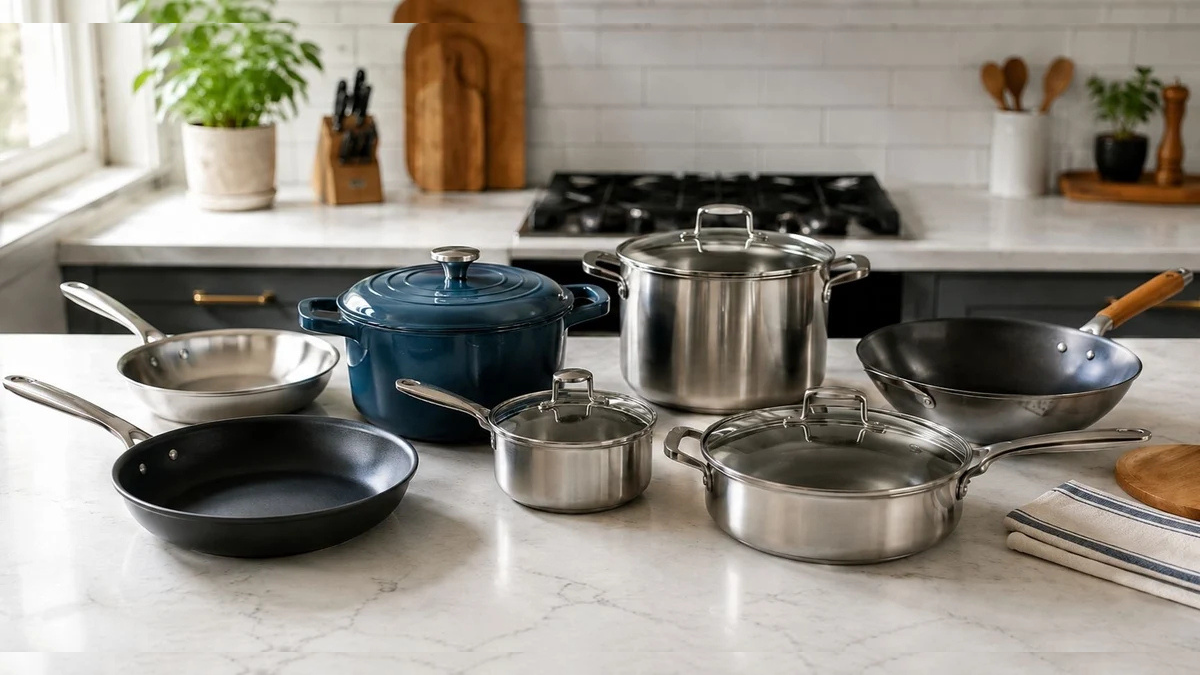
Each item may serve a different purpose. A frying pan is useful for eggs, vegetables, and pan-fried dishes. A saucepan is suitable for sauces, grains, and smaller portions of soups. A stockpot provides space for larger quantities of broth, pasta, and family-sized meals.
Because cookware collections can vary, buyers should confirm the exact pieces, materials, and features included with the product they intend to purchase rather than assuming every item has the same specifications.
Important Features to Consider
The material used to manufacture a pot or pan affects how it heats, retains warmth, and responds to changes in temperature.
Stainless steel cookware is valued for its durability and versatility. Depending on its construction, it may include an aluminum or other conductive core to improve heat distribution. Stainless steel can be useful for searing, browning, boiling, and preparing a wide range of recipes.
Aluminum cookware generally heats quickly and is relatively lightweight. Some aluminum pans have nonstick coatings or other surface treatments that affect their care requirements.
Cast iron is known for retaining heat, making it useful for searing and slow cooking, although it can be heavy. Nonstick cookware is often convenient for delicate foods such as eggs and pancakes, as well as for reducing the amount of oil needed in some recipes.
Verify the material and construction of the particular item. These details are more informative than relying on a product’s appearance or general marketing language.
2. Heat Distribution and Cooking Control
Consistent heating is an important consideration when selecting cookware. Uneven heat can cause food to brown excessively in one area while remaining undercooked elsewhere.
Cookware with a well-designed base can help distribute heat more evenly. The actual performance depends on the material, thickness, construction, burner size, and cooking temperature.
For everyday cooking, good heat control can make it easier to sauté vegetables, brown meat, simmer sauces, and prepare meals that require steady temperatures.
To get better results, choose a burner that approximately matches the base of the pan. Avoid unnecessarily high heat, particularly when using coated cookware, and preheat pans according to the manufacturer’s instructions.
Handles influence how comfortable and safe cookware is to use. A well-designed handle should provide a secure grip and remain firmly attached during normal use.
However, handle temperature depends on its material, construction, and proximity to the heat source. Unless the manufacturer specifically confirms otherwise, assume handles can become hot and use appropriate protection when necessary.
Lids are also valuable because they help retain moisture and heat. A well-fitting lid can support simmering, braising, and preparing foods that benefit from controlled moisture.
4. Nonstick Surfaces and Easy Food Release
Some cookware products feature nonstick surfaces that help food release more easily. This can be particularly useful when cooking eggs, pancakes, fish, and other foods that may stick to an uncoated pan.
Nonstick cookware can also make cleaning simpler, although performance depends on the coating’s quality, condition, and maintenance.
Use utensils that are compatible with the surface, avoid overheating the pan, and follow the manufacturer’s care instructions. Metal utensils may damage certain coatings, so heat-resistant silicone, wood, or other approved tools may be preferable.
Benefits of Choosing Suitable Cookware
Greater Convenience in the Kitchen
Matches your cooking style can simplify daily meal preparation. Having the appropriate pan for each task reduces the need to improvise and helps you move more smoothly between preparation, cooking, and serving.
For example, a medium frying pan may handle breakfast foods and quick lunches, while a saucepan can prepare sauces or side dishes. A larger pot is useful for soups, stews, and meals intended for several people.
Selecting the right sizes can also help reduce overcrowding, which may interfere with browning and cooking consistency.
Versatility for Different Recipes
Versatile cookware allows home cooks to prepare a wider variety of meals without purchasing an excessive number of specialized items.
Depending on the available product range, a practical collection may support frying, sautéing, boiling, simmering, and reheating. Some pieces may also be suitable for oven finishing, provided the manufacturer permits it and the handles and lids are oven-safe.
Before purchasing a set, consider the meals you regularly prepare. A smaller household may benefit from a compact selection, while a family that frequently cooks large meals may need larger pots and pans.
Potential Long-Term Value
Cookware value depends on more than the initial purchase price. Material quality, construction, warranty coverage, replacement availability, and care requirements all contribute to the overall cost of ownership.
A durable pan that is used regularly may offer better value than a large set containing pieces that rarely leave the cupboard.
Examine the specifications, number of included pieces, warranty terms, and seller policies. Independent reviews can also provide useful information about everyday usability, although experiences may differ depending on the product and cooking habits.
Choosing cookware with practical sizes and compatible storage arrangements can make a kitchen easier to organize. Nesting pieces, stackable pans, and removable or compact handles may save space when those features are available.
Before purchasing a large set, measure your storage area and consider where the cookware will be kept. A smaller collection of useful pieces can be more practical than a bulky assortment that is difficult to store.
Tips for Maintaining Your Cookware
First, read the manufacturer’s instructions before using a new pot or pan. These guidelines explain suitable heat levels, cleaning methods, and any restrictions on ovens or appliances.
Second, avoid sudden temperature changes unless the cookware is specifically designed to handle them. Placing a very hot pan under cold water can cause thermal stress or warping in some materials.
Third, use appropriate utensils. Wooden or silicone tools are often suitable for coated cookware, while uncoated stainless steel may tolerate a wider range of utensils. Always follow the product’s guidance.
Fourth, clean cookware using methods appropriate for its surface. Avoid abrasive scrubbers on finishes that may scratch easily, and dry items thoroughly when needed to help prevent water spots or corrosion.
Finally, store pots and pans carefully. If they must be stacked, use protective separators when recommended to reduce scratching and damage.
Is GOURMETIFIC® Cookware Worth Considering?
It may be worth exploring if its available products match your kitchen needs, preferred cooking methods, and budget. The most important factors are the actual materials, construction, compatibility, ease of maintenance, and value offered by the specific item.
Rather than assuming that every product has the same performance or features, review the listing carefully and look for clear specifications. If you are comparing cookware sets, determine whether the included pieces are genuinely useful for your household.
It is also sensible to check customer feedback from reliable retailers and review the seller’s warranty and return conditions before purchasing.
Conclusion
GOURMETIFIC® Cookware can be evaluated using the same practical criteria that apply to any kitchen cookware: material quality, heat distribution, comfortable handling, surface performance, compatibility, and ease of care.
The right selection can make everyday cooking more convenient and help you prepare a variety of meals with confidence. By identifying your cooking habits, checking product specifications, and following recommended maintenance practices, you can make a more informed decision about which cookware suits your home.