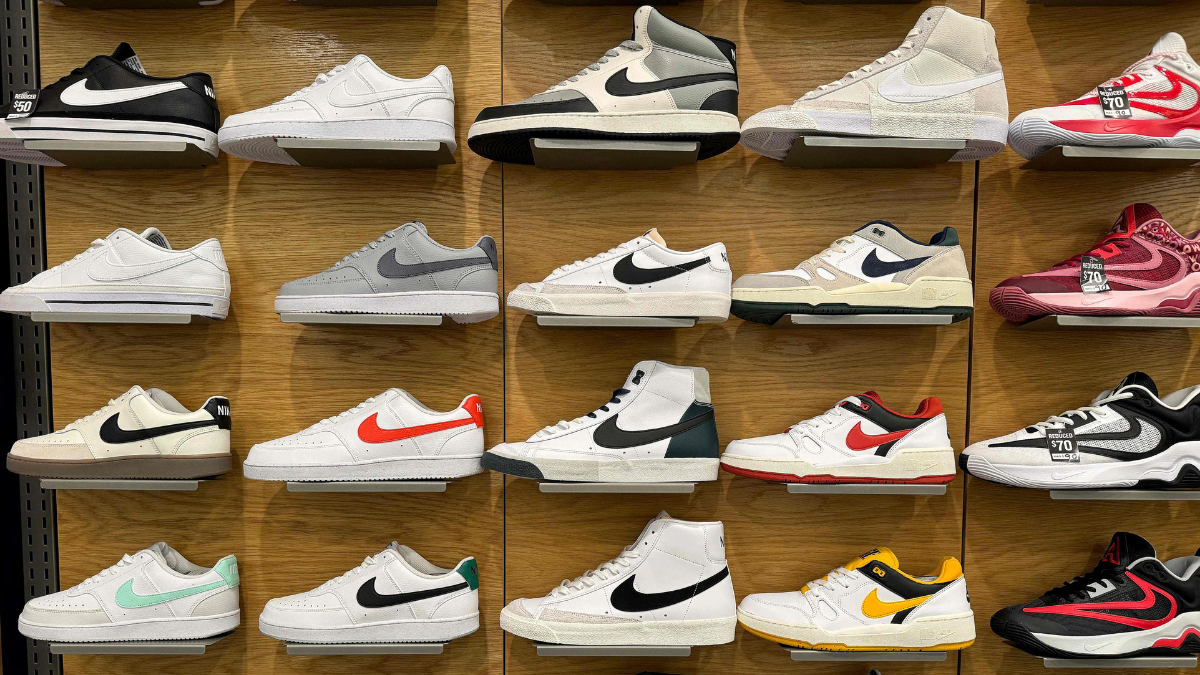
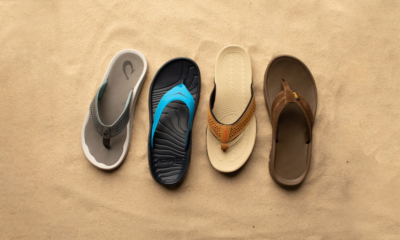
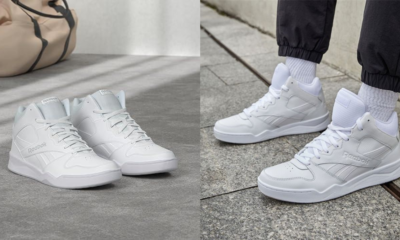
Sneakers are no longer just sportswear. They’ve become cultural icons, fashion statements, and even collectible investments. At the heart of this movement sits Nike, the world’s most recognized sneaker brand. With its relentless focus on innovation, stylish designs, and powerful cultural collaborations, Nike sneakers have become a staple for athletes, celebrities, and everyday wearers alike.
It was founded in 1964 as Blue Ribbon Sports before officially becoming Nike, Inc. in 1971. The brand quickly gained momentum by designing shoes that combined performance and style.
-
Nike Cortez (1972) – One of Nike’s first big hits, popularized by runners and later immortalized in pop culture, including the film Forrest Gump.
-
Nike Blazer (1973) – Originally a basketball shoe, now a streetwear classic.
-
Air Force 1 (1982) – Revolutionized basketball footwear and became a lifestyle legend, still one of Nike’s best-selling models.
-
Air Max 1 (1987) – Introduced visible Air cushioning, blending performance with futuristic design.
-
Air Jordan line (1985 onwards) – In collaboration with Michael Jordan, these sneakers changed both sports and fashion forever.
From performance to lifestyle, Nike has consistently bridged the gap between athletic functionality and cultural influence.
The Technology Behind Nike Sneakers
This isn’t just about aesthetics — its success lies in constant innovation. Over the decades, Nike has introduced groundbreaking technologies that changed how people wear and experience sneakers.
-
Nike Air Cushioning – First introduced in the late ’70s and made visible with the Air Max series in 1987. It uses pressurized air pockets for lightweight cushioning.
-
Zoom Air – Thinner and more responsive than traditional Air units, designed for speed and agility.
-
Nike React Foam – Lightweight, durable foam that delivers comfort and energy return, popular in running and training shoes.
-
Flyknit Uppers – A seamless, sock-like knit material introduced in 2012, reducing weight while improving flexibility.
-
Sustainable Materials – Recent lines like Nike Space Hippie use recycled materials as part of Nike’s commitment to sustainability.
These innovations ensure Nike sneakers aren’t just fashionable but also engineered for high performance.
It have transcended sports to become cultural staples. The Air Jordans, for instance, sparked sneakerhead culture in the 1980s. Today, limited-edition drops and collaborations with designers, artists, and brands make Nike sneakers as much about self-expression as utility.
Some key cultural milestones include:
-
Hip-Hop and Streetwear Influence – Rappers and artists like Run-DMC, Travis Scott, and Drake have embraced Nike, cementing its role in music and urban culture.
-
Collaborations – Nike has worked with designers like Virgil Abloh (Off-White), Sacai, and Dior, creating sneakers that sell out instantly and resell for thousands.
-
Global Reach – Nike sneakers have become universal, worn in cities worldwide from New York to Tokyo, transcending borders and cultures.
Owning Nike sneakers isn’t just about footwear; it’s about belonging to a global movement.
Choosing the Right Nike Sneaker
With so many models and styles, picking the right Nike sneaker can feel overwhelming. Here’s a breakdown to help you decide:
1. For Running & Sports
-
Nike Air Zoom Pegasus – A versatile running shoe loved by beginners and pros.
-
Nike ZoomX Vaporfly NEXT% – Built for speed, often seen in marathons.
-
Nike Metcon – Ideal for gym training and crossfit.
2. For Basketball
-
Nike LeBron series – Offers powerful support and cushioning.
-
Nike KD and Kyrie lines – Lightweight and agile for quick moves.
-
Air Jordan Retro and Performance Models – Combine heritage with modern updates.
3. For Lifestyle & Casual Wear
-
Air Force 1 – Timeless and endlessly versatile.
-
Nike Dunk – Popular in streetwear and skate culture.
-
Air Max 90 / Air Max 97 – Stylish classics with visible Air.
-
Blazer Mid – Retro style that’s trendy and casual.
4. For Collectors & Sneakerheads
-
Off-White x Nike Collabs
-
Travis Scott Air Jordans
-
Dior x Air Jordan 1
These releases are limited, often sold via raffles, and highly sought after in the resale market.
How to Spot Fake Nike Sneakers
Because of their popularity, these are often counterfeited. To ensure authenticity:
-
Buy from trusted retailers (Nike, Foot Locker, StockX, GOAT).
-
Check the box and label for correct style codes and spelling.
-
Inspect stitching and materials—authentic pairs are clean and high-quality.
-
Use apps like Legit Check for detailed comparisons.
Investing in authentic sneakers ensures better durability, comfort, and long-term value.
To make your sneakers last:
-
Clean regularly – Use a soft brush or cloth with mild soap and water.
-
Air dry only – Avoid machine drying which damages materials.
-
Store properly – Keep them in a cool, dry place, away from direct sunlight.
-
Rotate usage – Don’t wear the same pair daily to reduce wear and tear.
Proper care keeps sneakers looking fresh and extends their lifespan.
Nike Sneakers and the Future
Nike continues to innovate. In 2025 and beyond, trends point to:
-
Smart Sneakers – Shoes with sensors to track movement and performance.
-
Greater Sustainability – Expanded lines of eco-friendly sneakers made from recycled and bio-based materials.
-
More Collabs – Expect fashion houses, athletes, and musicians to keep pushing boundaries with Nike’s creative releases.
-
Customization – Through Nike By You, customers can personalize their sneakers, reflecting the growing demand for individuality.
Nike’s blend of technology, style, and culture ensures it will remain at the forefront of the sneaker world.
Conclusion
From the track fields of the 1970s to today’s global sneaker culture, Nike has transformed footwear into a powerful symbol of style, identity, and innovation. Whether you’re an athlete chasing performance, a fashion lover seeking the perfect streetwear look, or a collector hunting rare drops.
As trends evolve and technology advances, one thing remains certain: These are more than just shoes. They’re part of a movement that connects people across generations and cultures, proving that what we wear on our feet can shape how we move, live, and express ourselves.