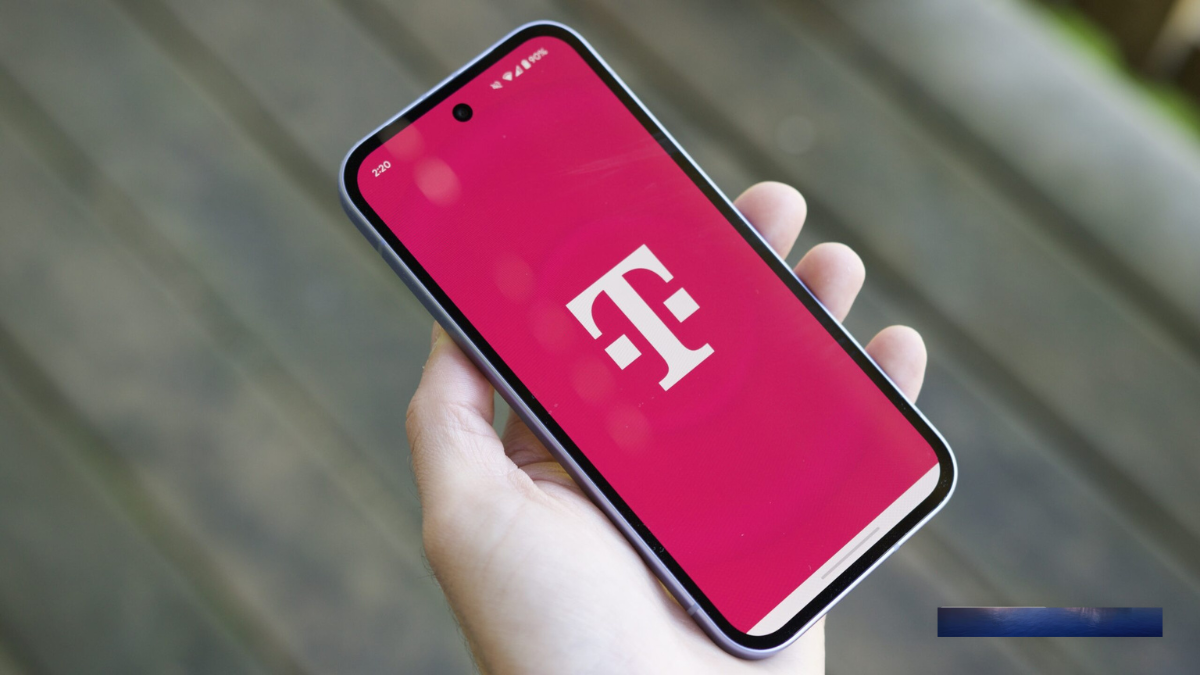
mobile carriers play a central role in how people communicate, work, and access digital services. One of the most influential companies in the United States wireless industry is T-Mobile US, Inc.. Known for its aggressive pricing, expanding 5G network, and customer-focused branding, T-Mobile has become a major competitor to long-established telecom giants.
Over the past decade, T-Mobile has shifted from being a “challenger brand” to one of the dominant forces in mobile communications. Its focus on unlimited plans, nationwide 5G coverage, and simplified pricing has reshaped customer expectations across the telecom industry.
The History of T-Mobile
T-Mobile’s roots trace back to international telecommunications developments, but its modern identity in the United States began when Deutsche Telekom expanded its presence in the U.S. market.
For years, positioned itself as the “Un-carrier,” a branding strategy aimed at breaking away from traditional wireless industry practices such as long-term contracts, hidden fees, and complicated pricing structures.
This strategy helped stand out in a market dominated by larger competitors like Verizon and AT&T. Over time, the company gained millions of subscribers by offering more flexible and affordable alternatives.
A major turning point came with the merger between T-Mobile and Sprint in 2020, which significantly expanded its network infrastructure and customer base. This merger helped accelerate its 5G rollout and strengthen its position in the U.S. telecom industry.
What T-Mobile Offers
Provides a wide range of wireless services designed for individuals, families, and businesses. Its core offerings include:
- Mobile phone plans
- Unlimited data packages
- 5G internet services
- Prepaid wireless plans
- International roaming options
- Home internet services
The company focuses heavily on simplicity, often reducing the number of confusing plan tiers that are common in the telecom industry.
T-Mobile Plans and Pricing Structure
One of most attractive features is its simplified pricing system. Instead of overwhelming customers with dozens of plan variations, offers a smaller set of structured plans.
Unlimited Plans
Most of T-Mobile’s modern offerings revolve around unlimited talk, text, and data. These plans are designed for users who stream videos, browse social media, and use apps extensively.
Family Plans
T-Mobile offers discounted rates for families, allowing multiple lines to be grouped under a single account. This is one of the most popular options among customers.
Prepaid Plans
For users who prefer flexibility without contracts, provides prepaid options that allow customers to pay in advance for service.
Premium Plans
Higher-tier plans often include perks such as:
- Faster data speeds
- More hotspot data
- Streaming service subscriptions
- International benefits
The T-Mobile 5G Network
The company has invested heavily in building a nationwide 5G network that covers urban, suburban, and rural areas.
T-Mobile’s 5G strategy is based on a combination of:
- Low-band spectrum for wide coverage
- Mid-band spectrum for balanced speed and range
- High-band spectrum for ultra-fast performance in select areas
This layered approach allows T-Mobile to provide broad coverage while still delivering high-speed performance in key locations.
For many users, T-Mobile’s 5G network offers faster speeds than older 4G LTE systems, improving experiences such as video streaming, gaming, and video conferencing.
Coverage and Reliability
Coverage is one of the most important factors when choosing a mobile carrier. They has made significant improvements in this area, especially after its merger with Sprint.
Today, They provides nationwide coverage across the United States, including rural areas that previously had weaker service options.
However, network performance can vary depending on:
- Geographic location
- Network congestion
- Device compatibility
- Type of 5G signal available
In general, urban areas tend to experience stronger and faster connections due to higher infrastructure density.
T-Mobile Home Internet
In addition to mobile services, they has expanded into home internet services. This product uses the company’s 5G network to deliver wireless broadband to households.
This is designed as an alternative to traditional cable or fiber providers. It is especially useful in areas where wired internet options are limited or expensive.
Benefits include:
- Simple setup (plug-and-play router)
- No annual contracts
- Unlimited data in many plans
- Competitive pricing compared to cable internet
This service reflects T-Mobile’s broader strategy of leveraging its wireless infrastructure for multiple types of connectivity solutions.
Customer Experience and Brand Identity
They has built a strong brand identity centered on being customer-friendly and disruptive. The company markets itself as the “Un-carrier,” emphasizing transparency and simplicity.
Key aspects of its customer experience include:
- No annual service contracts on many plans
- Transparent pricing structures
- Frequent promotional offers
- Strong online account management tools
- In-store customer support
This approach has helped to build loyalty among users who prefer straightforward mobile service without hidden fees or complicated agreements.
T-Mobile Benefits and Advantages
There are several reasons why customers choose T-Mobile over other carriers:
1. Competitive Pricing
They often offers lower or more flexible pricing compared to traditional carriers.
2. Strong 5G Network
Its nationwide 5G rollout provides fast connectivity for most users.
3. Simple Plans
Fewer confusing options make it easier for customers to choose a plan.
4. International Features
Many plans include international texting, data, or calling benefits.
5. Family Discounts
Multi-line savings make it attractive for households.
Challenges and Criticisms
Network Variability
While coverage is widespread, performance can vary in rural or remote areas.
Data Prioritization
During peak usage times, some users may experience slower speeds depending on network congestion.
Customer Service Inconsistencies
Like many large telecom providers, customer service experiences can vary by location and situation.
Pricing Changes
Promotional offers may change over time, leading to differences between advertised and actual long-term pricing.
T-Mobile vs Competitors
Competes directly with major carriers such as Verizon and AT&T.
Compared to its competitors:
- T-Mobile often offers lower pricing and simpler plans
- Verizon is known for strong coverage reliability
- AT&T provides a balance of coverage and bundled services
T-Mobile’s main advantage lies in its aggressive 5G expansion and customer-first branding strategy.
The Future of T-Mobile
Continues to invest heavily in expanding and improving its network. Future developments may include:
- Faster nationwide 5G upgrades
- Expansion of home internet services
- Improved rural coverage
- Enhanced streaming and entertainment bundles
- Integration of new digital services and apps
As mobile connectivity becomes even more essential in everyday life, this is positioning itself as a leader in next-generation wireless technology.
Conclusion
Transformed from a challenger brand into one of the most influential wireless carriers in the United States. Through its focus on simplicity, competitive pricing, and aggressive 5G expansion, T-Mobile US, Inc. has reshaped expectations in the telecom industry.
While it still faces competition and coverage challenges in certain regions, its commitment to innovation and customer-focused service continues to drive its growth.
For users seeking flexible plans, strong 5G performance, and modern mobile services, they remains a leading choice in today’s wireless market.