Indoor air quality has become an increasingly important topic as people spend more time inside homes, offices, and other enclosed spaces. Airborne pollutants such as dust, pollen, pet dander, smoke particles, mold spores, and volatile organic compounds (VOCs) can negatively affect comfort and overall well-being. As awareness of indoor air quality grows, many consumers are turning to air purifiers to create cleaner and healthier living environments.
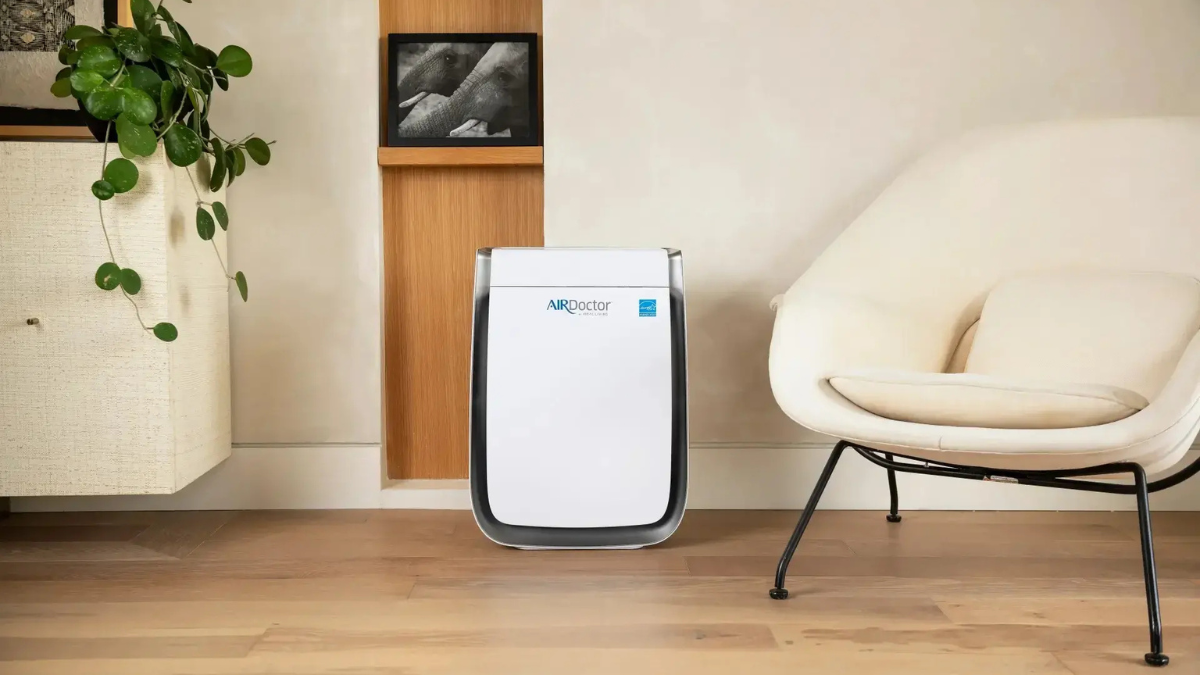
Among the many air purification systems available today, they has gained significant attention for its advanced filtration technology, user-friendly features, and ability to remove a wide range of airborne contaminants. Designed to improve indoor air quality in homes of various sizes, AIRDOCTOR combines powerful filtration with modern convenience to help users breathe cleaner air every day.
Introduction to the AIRDOCTOR Air Purifier
A premium air-cleaning device engineered to capture and remove microscopic airborne particles from indoor environments. Unlike standard air filters that may only trap larger particles, AIRDOCTOR utilizes advanced filtration systems designed to target a broad range of pollutants.
The purifier is suitable for bedrooms, living rooms, home offices, nurseries, and other indoor spaces where maintaining air quality is a priority. Available in multiple models, they offers solutions for different room sizes and household needs.
Its primary goal is simple: provide cleaner, fresher indoor air through highly effective filtration technology.
Why Indoor Air Quality Matters
Many people assume outdoor air pollution poses the greatest risk to air quality. However, indoor air can often contain significant levels of pollutants that accumulate over time.
Common indoor air contaminants include:
- Dust
- Pet dander
- Pollen
- Mold spores
- Smoke particles
- Cooking odors
- Household chemicals
- Volatile organic compounds (VOCs)
Poor indoor air quality can contribute to discomfort, allergies, and respiratory irritation. Since people often spend the majority of their time indoors, maintaining cleaner air can support a more comfortable living environment.
Air purifiers help address these concerns by continuously filtering and circulating indoor air.
UltraHEPA Filtration Technology
Traditional HEPA filters are designed to capture particles as small as 0.3 microns. AIRDOCTOR’s UltraHEPA technology goes even further by targeting particles significantly smaller than conventional HEPA standards.
This advanced filtration system helps remove:
- Fine dust particles
- Smoke particles
- Allergens
- Pet dander
- Pollen
- Airborne contaminants
The ability to capture microscopic particles contributes to the purifier’s reputation for high-performance air cleaning.
For households concerned about airborne pollutants, advanced filtration represents one of AIRDOCTOR’s most significant advantages.
Multi-Stage Filtration Process
Effective air purification often requires more than a single filter.
Utilizes a multi-stage filtration approach designed to address different types of pollutants.
Pre-Filter
The pre-filter captures larger particles such as:
By trapping larger debris first, the pre-filter helps extend the lifespan of the main filtration components.
Carbon Filter
Activated carbon plays a crucial role in reducing odors and chemical pollutants.
The carbon filter helps address:
- Cooking smells
- Pet odors
- Smoke odors
- Household chemical odors
- VOCs
This stage contributes to fresher-smelling indoor air.
UltraHEPA Filter
The final filtration stage targets microscopic airborne particles that may escape earlier filtration layers.
Together, these stages create a comprehensive air-cleaning system capable of addressing a wide variety of indoor air quality concerns.
Effective for Allergy Sufferers
Seasonal and year-round allergies affect millions of people worldwide.
Common allergy triggers include:
- Pollen
- Dust mites
- Pet dander
- Mold spores
AIRDOCTOR air purifiers help reduce airborne allergens by continuously filtering indoor air.
Many users report improved comfort during allergy seasons when airborne pollen levels are elevated. While air purifiers are not medical devices, reducing allergen exposure can contribute to a more comfortable home environment.
Bedrooms are particularly popular locations for air purifiers because people spend extended periods sleeping in these spaces.
Supporting Pet-Friendly Homes
Pet owners often face additional air quality challenges.
Dogs, cats, and other household pets shed hair and dander that can circulate throughout the home. Pet-related odors can also become noticeable over time.
It help address these concerns by filtering airborne pet particles and reducing odor-causing compounds.
Benefits for pet owners include:
- Reduced airborne dander
- Improved odor control
- Cleaner indoor air
- Enhanced comfort for guests
For households with multiple pets, continuous air filtration can be especially valuable.
Smoke and Odor Reduction
Smoke particles are among the smallest airborne contaminants and can remain suspended in the air for extended periods.
Sources of smoke may include:
- Wildfires
- Cooking
- Fireplaces
- Tobacco products
This is designed to capture fine smoke particles while the carbon filter helps reduce lingering odors.
This combination contributes to cleaner air and a fresher indoor environment.
Smart Air Quality Monitoring
These sensors continuously monitor indoor air conditions and automatically adjust purifier performance as needed.
Benefits of air quality monitoring include:
- Real-time feedback
- Automatic operation
- Energy efficiency
- Optimized filtration performance
When pollutant levels increase, the purifier can respond by increasing fan speed to improve air cleaning.
This automation allows users to maintain air quality without constant manual adjustments.
Quiet Operation
Noise levels are an important consideration for any appliance that operates continuously.
These are designed to provide effective filtration while maintaining relatively quiet operation.
Lower fan settings are particularly suitable for:
- Bedrooms
- Nurseries
- Home offices
- Reading areas
Quiet performance helps users enjoy cleaner air without significant disruption to daily activities or sleep.
User-Friendly Controls
Many models feature intuitive control panels that allow users to:
- Adjust fan speeds
- Monitor filter status
- Activate automatic modes
- Set timers
- View air quality indicators
Simple controls make the purifier accessible to users of all experience levels.
The combination of advanced technology and straightforward operation contributes to a positive user experience.
Energy Efficiency
Because air purifiers often operate for extended periods, energy efficiency is an important consideration.
These are designed to balance performance with energy consumption. Automatic modes help optimize operation by increasing filtration only when needed.
This efficiency helps users maintain cleaner air without excessive energy costs.
Over time, efficient operation can contribute to lower household energy usage compared to continuously running high-powered devices unnecessarily.
Maintenance Requirements
Like all air purifiers, all units require periodic maintenance to maintain optimal performance.
Typical maintenance tasks include:
- Replacing filters
- Cleaning exterior surfaces
- Monitoring filter indicators
Fortunately, maintenance is generally straightforward.
Filter replacement schedules vary depending on usage patterns, room conditions, and environmental factors.
Regular maintenance helps ensure consistent air-cleaning effectiveness and extends the lifespan of the purifier.
Ideal Applications
It can be used in a variety of settings.
Bedrooms
Cleaner air may contribute to a more comfortable sleeping environment.
Living Rooms
Continuous filtration helps address pollutants generated by everyday activities.
Home Offices
Cleaner air can support comfort during long work sessions.
Nurseries
Parents often prioritize indoor air quality in spaces occupied by infants and young children.
Pet Areas
Homes with pets benefit from ongoing filtration of dander and odors.
Its versatility makes the purifier suitable for many household environments.
Potential Limitations
Offer numerous benefits, there are some considerations.
Premium filtration technology often comes with a higher initial purchase price compared to basic air purifiers.
Additionally, replacement filters represent an ongoing maintenance cost.
Some users may also find higher fan settings more noticeable in terms of sound output.
However, many consumers consider these trade-offs worthwhile given the purifier’s filtration capabilities and overall performance.
Conclusion
They stands out as a comprehensive air-cleaning solution designed to improve indoor air quality through advanced filtration technology. Its multi-stage filtration system, UltraHEPA filter, odor-reducing carbon filter, air quality monitoring, and user-friendly operation make it a strong choice for homeowners seeking cleaner indoor air.
Whether addressing allergens, pet dander, smoke particles, household odors, or general airborne contaminants, they provides an effective and convenient solution for maintaining a healthier indoor environment.
For individuals and families looking to invest in cleaner air and enhanced home comfort, they offers a powerful combination of performance, convenience, and reliability that can support better indoor living for years to come.