Baseball is a sport that combines skill, teamwork, strategy, and physical performance. Whether playing in a local league, participating in school competitions, or practicing recreationally, having reliable equipment can make a difference in a player’s experience. From gloves and bats to baseballs and protective gear, every piece of equipment serves a specific purpose. Rawlings is a well-known brand in the baseball industry, offering products designed for players with different experience levels and playing needs.
Rawlings baseball equipment is used by beginners, amateur athletes, and experienced players. Its product range includes fielding gloves, batting gloves, bats, baseballs, helmets, and protective accessories. Different products offer different materials, designs, and performance characteristics, allowing players to select equipment suited to their positions and preferences.
The History and Reputation of Rawlings
They has a long history in sporting goods, particularly baseball. Founded in 1887, the company developed a strong connection with the sport through its equipment, including fielding gloves and baseballs. Over time, the brand became associated with products used in recreational play, organized leagues, and professional baseball.
One reason for its recognition is its focus on baseball-specific equipment. Rather than producing only general sporting goods, Rawlings offers products designed for the distinct demands of pitching, catching, batting, and fielding.
The brand’s reputation also benefits from its presence in competitive baseball. However, a well-known name does not automatically mean that every product is suitable for every player. Individual models differ in materials, price, construction, and intended use, so buyers should compare specifications before purchasing.
Rawlings Baseball Gloves
Fielding gloves are among Rawlings’ most recognizable products. A baseball glove helps players catch, control, and secure the ball during defensive plays. The appropriate glove depends on the player’s position, hand size, experience, and preferred feel.
They offers gloves in different sizes and designs. Infield gloves are generally designed to support quick transfers and rapid movements, while outfield gloves typically have deeper pockets to help secure fly balls. First basemen’s mitts and catcher’s mitts have specialized shapes for the demands of those positions.
Materials also vary. Some gloves use synthetic materials intended for affordability and easier initial use, while others feature leather construction. Leather gloves may require a break-in period before they become comfortable and responsive.
When choosing a Rawlings glove, players should consider fit, pocket depth, web design, and the type of leather or material used. A properly fitted glove can help improve confidence and make routine fielding practice more comfortable.
A baseball bat is another important piece of equipment, and Rawlings offers bats designed for different ages, competition levels, and league requirements.
Depending on the model, bats may be constructed from aluminum alloys, composite materials, or wood. Metal and composite bats are common in many youth and amateur settings, while wooden bats are used in professional baseball and other leagues that require them.
Bat weight, length, balance, and barrel design influence how a bat feels during a swing. A bat that is too heavy may make it difficult for a player to maintain good swing mechanics, while one that is too light may not provide the preferred feel or performance.
Before purchasing a Rawlings bat, players should check their league’s rules concerning approved equipment, material, length, and weight. Youth players should also choose a bat that matches their physical development and skill level rather than selecting one based only on appearance or price.
Baseballs and Training Equipment
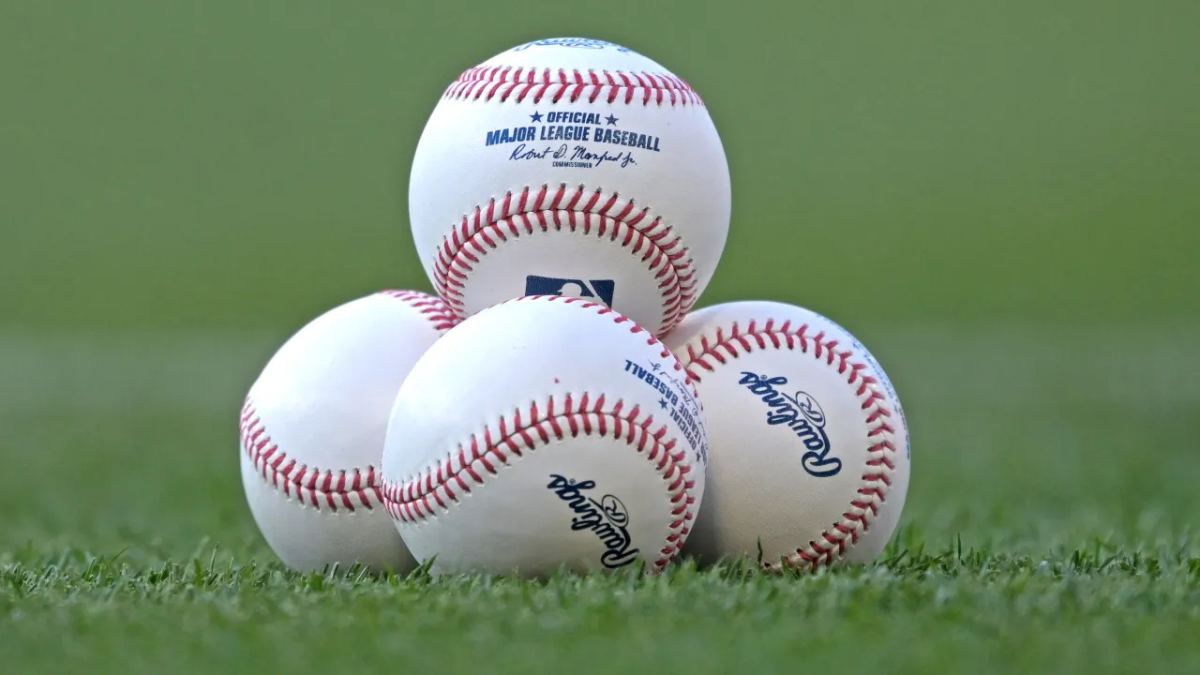
Also manufactures baseballs for practice and organized competition. Baseballs generally feature a cork or rubber-based core, yarn windings, and an outer cover with stitched seams, although construction varies by product.
The ball’s feel, durability, and construction can influence how it performs during throwing, catching, pitching, and batting drills. Players should select baseballs appropriate for their age group and playing environment.
Training equipment can also support skill development. Practice balls and other training accessories may help players work on throwing accuracy, batting technique, and fielding fundamentals. The correct equipment depends on the exercise and the player’s training goals.
Using suitable baseballs during practice is important because balls designed for different purposes may have different weights, coverings, or impact characteristics. Players should follow the product instructions and avoid using equipment in ways it was not designed for.
Protective Gear and Player Safety
Protective equipment is essential for reducing the risk of injury in baseball. Rawlings offers products such as batting helmets, protective guards, and other accessories intended to support players during training and competition.
Batting helmets help protect the head from accidental impacts, while catcher-specific equipment is designed for the demands of receiving pitches and blocking balls. Depending on the player’s role and league requirements, additional protective equipment may also be necessary.
Correct sizing and fit are important. A helmet should fit securely according to its instructions, and protective guards should remain in position during movement. Damaged equipment should be replaced when it can no longer provide the intended protection.
No protective product can eliminate every injury risk. Players should combine suitable equipment with proper technique, supervision, and compliance with their league’s safety rules.
Benefits for Beginners and Experienced Players
One advantage of Rawlings’ broad product range is that players can select equipment based on their level of experience and budget.
Beginners may prefer an affordable glove that fits comfortably and is relatively easy to break in. Young players should prioritize appropriate sizing and manageable equipment weight. Choosing gear that matches their physical abilities can make learning fundamental skills more enjoyable.
Intermediate players may look for specialized gloves, bats, or training equipment that suits their positions and playing styles. Experienced players may pay closer attention to leather quality, bat balance, durability, and other details that influence their preferences.
However, equipment alone does not determine performance. Regular practice, sound technique, fitness, and teamwork remain essential. Players should treat equipment as a tool that supports skill development rather than a substitute for training.
Comfort, Durability, and Design
Comfort and durability are important considerations when evaluating baseball equipment. Gloves should feel secure without restricting movement, bats should be manageable throughout the swing, and protective gear should remain comfortable during extended use.
The products vary considerably in construction and materials. Premium leather gloves may offer a different feel and longevity from entry-level synthetic models. Likewise, bats made for different leagues may have distinct construction requirements and performance characteristics.
Proper care can help extend the life of baseball equipment. Gloves should be cleaned and stored according to the manufacturer’s recommendations. Bats should be inspected for damage and used only under the conditions specified for their model. Helmets and protective gear should also be checked regularly for cracks, worn components, or other signs of deterioration.
Players should not assume that the most expensive product is always the best choice. The ideal option is one that meets their needs, fits correctly, complies with league requirements, and offers appropriate value.
Selecting baseball equipment starts with identifying the player’s needs. Position, age, experience, budget, and league rules all influence the decision.
For gloves, buyers should compare the size, web pattern, material, and intended position. For bats, they should evaluate length, weight, construction, and certification requirements. For baseballs, the intended level of play and training purpose should guide the selection.
It is also helpful to compare product specifications and warranty information before buying. Trying on a glove or testing a bat’s feel, when possible, can help buyers determine whether the equipment is comfortable and manageable.
Parents purchasing gear for young athletes should consider growth and changing skill levels, but they should avoid choosing equipment that is excessively large or heavy in anticipation of future development.
Price and Overall Value
They offers products at different price points, making it possible to find options for various budgets. Entry-level equipment can be suitable for recreational play, while higher-end products may include specialized designs or premium materials.
The best value depends on how frequently the equipment will be used and whether it meets the player’s needs. A recreational player may not need a premium professional-style glove, whereas a competitive athlete might value a specialized model that matches their position and playing preferences.
Buyers should compare the full cost of an item, including any required accessories, shipping charges, and maintenance needs. Checking the seller’s reliability and the product’s authenticity is also important when purchasing online.
Conclusion
Rawlings is an established name in baseball equipment, offering a wide selection of gloves, bats, baseballs, helmets, and protective accessories. Its range provides options for players at different experience levels, from beginners learning the fundamentals to competitive athletes seeking specialized gear.
The brand’s key advantage is its variety of baseball-focused products. However, choosing the right equipment requires more than selecting a familiar name. Fit, materials, intended use, league rules, safety requirements, and budget should all be considered.
With careful selection and proper maintenance, the equipment can support practice, skill development, and game-day preparation. Ultimately, the best equipment is the gear that fits the player, suits the sport’s requirements, and helps them play with comfort and confidence.