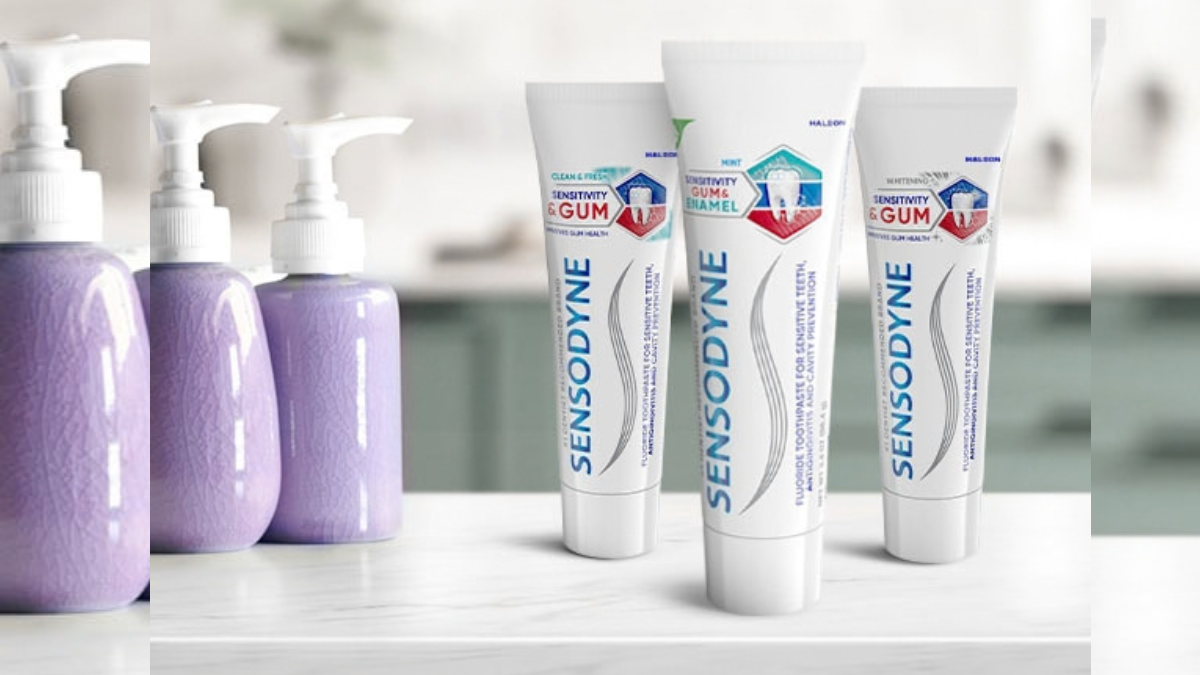
Maintaining good oral hygiene is essential for healthy teeth, fresh breath, and a confident smile. However, some people experience tooth sensitivity when consuming hot, cold, sweet, or acidic foods and drinks. This discomfort can make everyday activities such as eating ice cream or drinking hot coffee unpleasant. Choosing the right toothpaste can help manage this problem while supporting an effective oral care routine.
A toothpaste brand widely recognized for products designed for people with sensitive teeth. Its different formulations aim to relieve sensitivity while providing benefits such as cavity protection, enamel care, and fresh breath. The specific benefits depend on the product selected because Sensodyne offers several varieties with different active ingredients.
Sensodyne is an oral care brand developed primarily for people who experience dentin hypersensitivity, commonly known as sensitive teeth. Tooth sensitivity often occurs when the protective enamel wears down or the gums recede, exposing the underlying dentin. Dentin contains tiny channels that can transmit stimuli toward the tooth’s nerve, causing brief discomfort or pain.
Sensodyne toothpaste is designed to help reduce this sensitivity when used as directed. Depending on the formulation, it may contain ingredients that help block the pathways associated with sensitivity or reduce the nerve’s response to painful stimuli.
Some Sensodyne products also provide fluoride for cavity prevention. Other formulations may focus on enamel protection, gum care, whitening, or tartar control.
Because formulations vary by country and product line, consumers should always check the packaging for the active ingredients, fluoride concentration, and recommended directions.
Key Ingredients in Sensodyne Toothpaste
1. Potassium Nitrate
This is an active ingredient used in certain sensitive-teeth toothpastes. It works by helping reduce the responsiveness of the nerves inside the tooth to external stimuli.
With regular use, a toothpaste containing potassium nitrate may help reduce discomfort associated with sensitivity. However, results are not necessarily immediate, and consistent use according to the product directions is important.
Not every Sensodyne product contains potassium nitrate, so consumers should inspect the label before purchasing.
2. Stannous Fluoride
This is another active ingredient used in some Sensodyne formulations. It helps strengthen teeth and protect against cavities. It can also help reduce sensitivity by forming a protective layer over exposed dentin.
Depending on the product, stannous fluoride may provide additional benefits related to plaque, gingivitis, and gum health.
Its availability and concentration vary across products and markets. Users should follow the label instructions and consult a dentist if they have questions about which formula best suits their needs.
Some products contain sodium fluoride, which helps protect tooth enamel against acid attacks and reduces the risk of tooth decay.
Fluoride supports the remineralization process, allowing minerals to be restored to weakened areas of enamel. This helps make teeth more resistant to cavities.
Fluoride is an important ingredient in many conventional toothpastes, but the amount and formulation should be appropriate for the user’s age and dental needs.
4. Cleaning Agents
Generally contains mild abrasives that help remove plaque, food particles, and surface stains during brushing. Depending on the formula, ingredients such as hydrated silica may help clean and polish the teeth.
The effectiveness and abrasiveness of a toothpaste depend on the complete formulation rather than a single ingredient. People with sensitive teeth should brush gently using a soft-bristled toothbrush to avoid unnecessary enamel wear or gum irritation.
5. Flavoring and Supporting Ingredients
Sensodyne formulations may contain flavoring agents, humectants, thickeners, and other ingredients that help maintain consistency, taste, and usability.
Mint flavors are common and can leave the mouth feeling fresh after brushing. However, people with sensitivities to certain flavoring agents should review the ingredient list and discontinue use if irritation develops.
Benefits of Sensodyne Toothpaste
Helps Relieve Tooth Sensitivity
Regular use may make it more comfortable to consume hot and cold foods and drinks. Nevertheless, persistent or severe tooth pain should not automatically be attributed to ordinary sensitivity.
Supports Cavity Prevention
Sensodyne products containing fluoride help strengthen enamel and protect against tooth decay. Fluoride is particularly valuable when used consistently as part of a daily oral hygiene routine.
Brushing twice daily with a suitable fluoride toothpaste, cleaning between the teeth, and attending regular dental checkups can help reduce the risk of cavities.
Helps Maintain Enamel
Tooth enamel protects the inner structures of the teeth. Acidic foods, frequent exposure to sugary drinks, and aggressive brushing can contribute to enamel damage over time.
Fluoride-containing Sensodyne products can support enamel remineralization and make teeth more resistant to acid attacks. However, toothpaste cannot fully rebuild enamel that has been physically lost.
Supports Everyday Oral Hygiene
Like other suitable toothpastes, Sensodyne helps remove plaque and food debris when used with proper brushing techniques.
Keeping plaque under control is important for maintaining healthy teeth and gums. The toothpaste works best alongside a complete oral care routine rather than as a replacement for flossing, interdental cleaning, or professional dental care.
Offers Different Formulations
Sensodyne provides several product varieties designed to address different oral care priorities. Depending on local availability, options may include formulas for sensitivity relief, whitening, enamel protection, and other needs.
This range allows consumers to compare products according to their dental concerns. However, a whitening formula or specialized product may not be necessary for everyone.
How to Use Sensodyne Toothpaste Properly
Correct brushing technique is important for getting the most from a sensitive-teeth toothpaste.
Step 1: Choose the appropriate formula. Check the active ingredients and select a product suitable for your age and dental needs. A dentist can help if you are uncertain.
Step 2: Use a soft-bristled toothbrush. Hard bristles and excessive pressure may contribute to gum recession and tooth wear.
Step 3: Brush gently for two minutes. Clean all tooth surfaces, including the outer, inner, and chewing surfaces. Follow the product label and your dentist’s advice.
Step 4: Brush regularly. Many fluoride toothpastes are intended for twice-daily use. Follow the directions printed on your specific Sensodyne product.
Step 5: Avoid swallowing toothpaste. Spit out the toothpaste after brushing. Follow local dental guidance regarding rinsing, particularly for children.
Step 6: Be consistent. Sensitivity relief may take repeated use over several days or longer, depending on the formulation and cause of the sensitivity.
Children should use toothpaste appropriate for their age, with adult supervision when needed. Seek professional advice about the correct amount and fluoride concentration for young children.
Possible Side Effects and Precautions
Most people can use an appropriate toothpaste without significant problems, but irritation or sensitivity to particular ingredients can occur.
Possible reactions include irritation of the mouth, unusual discomfort, or an allergic reaction to a specific ingredient. Stop using the product and seek advice if symptoms persist or worsen.
Tooth sensitivity can also be caused by cavities, cracked teeth, worn fillings, gum disease, or other dental conditions. Sensitivity that begins suddenly, affects one tooth, or causes persistent pain should be assessed by a dentist.
Sensodyne toothpaste is intended to help manage sensitivity, not to diagnose or treat every underlying cause of tooth pain. Prompt dental evaluation is especially important if pain is severe or accompanied by swelling, fever, or signs of infection.
If sensitivity is your primary problem, look for a product specifically formulated for sensitive teeth. Review the active ingredient and directions to understand how the formula works.
If cavity prevention is also important, check the fluoride content. Whitening products may be suitable for some people who want to reduce surface stains, but those with significant sensitivity should discuss their options with a dentist.
Compare the price per gram rather than relying only on the tube’s selling price. Larger packages may provide better value, but the best option is one that meets your dental needs and is comfortable to use consistently.
Avoid assuming that all Sensodyne products offer identical ingredients or benefits. Product names and formulas may differ between markets, so the actual packaging should be your primary reference.
Conclusion
A widely recognized option for people seeking help with sensitive teeth. Depending on the formulation, its active ingredients may help reduce sensitivity, protect against cavities, support enamel remineralization, and maintain everyday oral hygiene.
The best results depend on choosing the appropriate formula, brushing gently and consistently, and following the product directions. This is not a substitute for professional dental treatment when sensitivity is caused by tooth decay, cracks, gum disease, or other underlying problems.
For a healthy smile, combine suitable toothpaste with twice-daily brushing, regular cleaning between the teeth, a balanced diet, and routine dental checkups. If tooth sensitivity persists or becomes severe, consult a dentist to identify the cause and receive appropriate treatment.