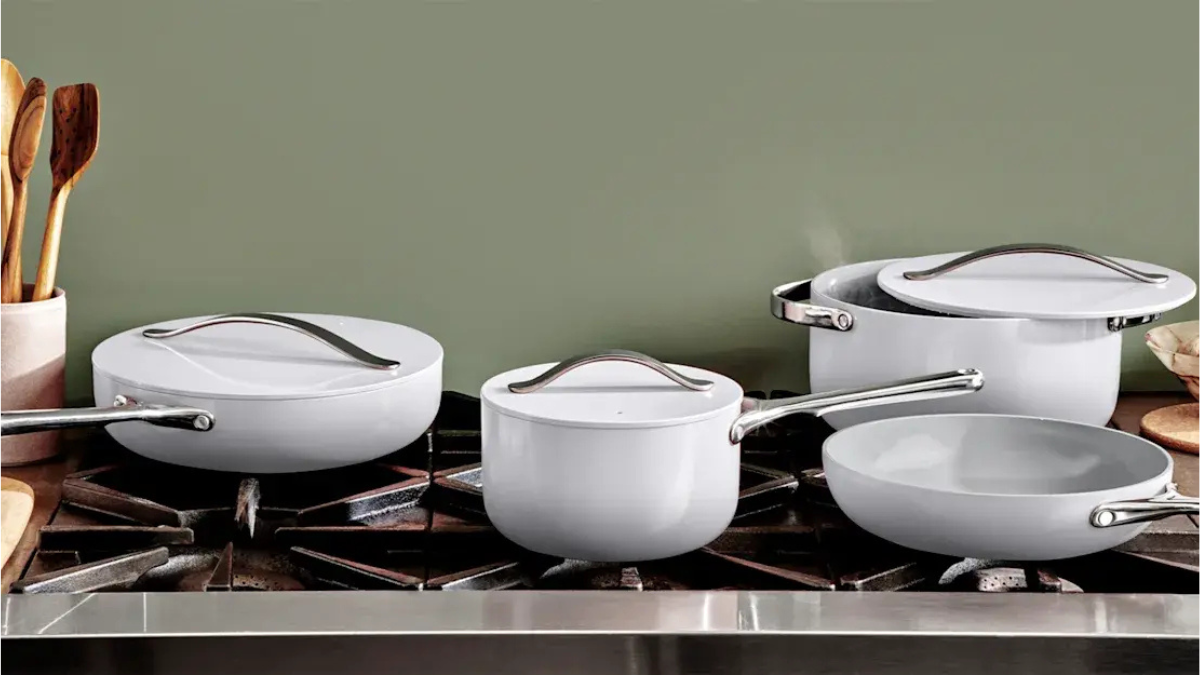
The humble sauce pan is one of the most frequently used and yet often overlooked kitchen tools. From simmering soups to crafting delicate sauces, it’s a piece that quietly does heavy lifting every day. In recent years, Caraway has emerged as a darling of the cookware world, thanks to its sleek aesthetics, non-toxic coatings, and thoughtful engineering. But does the Caraway sauce pan really live up to the buzz? This deep dive explores the design, performance, and real-world value of Caraway’s sauce pans—both the ceramic non-stick and stainless steel versions—so you can decide if they deserve a spot in your kitchen.
1. Caraway at a Glance
Entered the cookware scene with a mission: to make cooking tools that are as safe for you as they are for the environment. Their products are:
-
Non-toxic: Free from PTFE (like Teflon), PFOA, PFAS, lead, cadmium, and other harmful chemicals.
-
Eco-friendly: Manufactured with a focus on reducing environmental impact.
-
Visually appealing: Offered in a range of modern, muted colors that look as good on the stovetop as they do in Instagram feeds.
While they’ve expanded into bakeware, storage sets, and tea kettles, the sauce pan remains one of their core offerings.
2. The Two Main Sauce Pan Options
Two distinct sauce pans:
A. The Ceramic-Coated 3-Quart Sauce Pan
-
Material: Aluminum core with a ceramic non-stick coating.
-
Capacity: 3 quarts (ideal for soups, sauces, oatmeal, risotto).
-
Lid: Included, with a snug fit for steam control.
-
Colors: Sage, Perracotta, Cream, Navy, and seasonal shades.
-
Compatibility: Works on gas, electric, and induction stovetops.
-
Oven-Safe: Up to ~550 °F (though check brand specifics—most users stick to 450 °F for safety).
-
Care: Hand-wash recommended to preserve coating.
B. The Stainless Steel 1.75-Quart Sauce Pan
-
Material: 5-ply stainless steel for even heating.
-
Capacity: 1.75 quarts (ideal for small batches, boiling eggs, reheating sauces).
-
Lid: Included.
-
Appearance: Polished stainless steel—classic and professional.
-
Compatibility: All stovetops, induction included.
-
Oven-Safe: Up to 550 °F.
-
Care: Dishwasher-safe, though hand-washing extends shine.
3. What Sets Caraway Apart
Caraway’s sauce pans don’t just compete on looks—they’re designed to address three common cookware complaints.
1. Health & Safety
The ceramic coating offers a non-stick surface without the synthetic chemicals linked to traditional Teflon coatings. For those who want to avoid any risk of harmful fumes or chemical leaching, this is a strong selling point.
2. Aesthetic Design
Caraway takes inspiration from modern interiors, with matte exteriors and gold-tone hardware. The pans are meant to be stored visibly, not hidden in cupboards. Even the lid handles are low-profile and sleek.
3. User Experience
The sauce pans heat evenly and maintain temperature well, which is important for delicate recipes like custards or hollandaise. The ergonomic handles stay cooler than many competitors during stovetop use.
4. Performance in the Kitchen
Heat Distribution
-
Ceramic: Aluminum core distributes heat evenly, though it doesn’t respond to temperature changes as quickly as stainless steel.
-
Stainless Steel: The 5-ply build provides fast, even heating—excellent for browning or reducing liquids.
Non-Stick Qualities
-
The ceramic model performs exceptionally well at first—fried eggs and oatmeal slide out effortlessly. Over time (especially with metal utensils or high heat), the coating may lose some slickness. Using silicone or wooden tools prolongs its life.
-
The stainless steel model isn’t non-stick, but with proper preheating and oil, it releases food well.
Durability
-
Ceramic: Will last years with proper care, but not decades like stainless steel.
-
Stainless Steel: Built to last a lifetime; backed by a lifetime warranty.
Cleaning
-
Ceramic: Wipes clean easily after most uses, but stains from tomato sauces can linger if not washed promptly.
-
Stainless Steel: Can handle scrubbing, steel wool, and dishwasher cycles without damage.
5. Pros & Cons at a Glance
Ceramic 3-Quart Sauce Pan
✅ Excellent non-stick surface for low-fat cooking
✅ Vibrant color options
✅ Non-toxic materials
❌ Non-stick performance can fade over time
❌ Hand-wash recommended
Stainless Steel 1.75-Quart Sauce Pan
✅ Extremely durable—decades of use possible
✅ Excellent heat responsiveness
✅ Dishwasher-safe
❌ Smaller capacity limits versatility
❌ No non-stick coating (requires technique)
6. Who Should Choose Which Model?
-
Ceramic 3-Quart: Ideal for home cooks who value ease of cleaning, want to minimize cooking oil, and enjoy colorful cookware. Great for families or anyone cooking medium-sized portions.
-
Stainless Steel 1.75-Quart: Best for serious cooks who prioritize precision, high-heat cooking, and longevity. Also perfect for smaller households or specialized uses like melting chocolate or reducing sauces.
7. How to Care for a Caraway Sauce Pan
For Ceramic Models:
-
Avoid metal utensils.
-
Keep heat at medium or below—high heat can degrade coating.
-
Hand-wash with mild soap; avoid abrasive sponges.
-
Store carefully to prevent scratches.
For Stainless Steel Models:
-
Preheat before adding oil for best food release.
-
Use Bar Keepers Friend to restore shine.
-
Dishwasher is fine, but drying immediately prevents water spots.
8. Pricing & Value
These are premium priced:
While you can find cheaper options from brands like Cuisinart or T-fal, Caraway’s combination of design, safety, and build quality makes them competitive with All-Clad, GreenPan’s higher-end lines, and other premium brands.
For best value, Caraway often sells bundles that include both sauce pans, a sauté pan, a Dutch oven, and magnetic pan racks—sometimes discounted 10–20% during seasonal sales.
9. What Users and Experts Say
User Reviews:
Thousands of buyers praise the ceramic’s ease of cleaning and striking looks. Many note that their sauce pans still look brand-new after a year—though a handful mention the coating losing slickness after heavy daily use.
Expert Opinions:
-
EatingWell named the 3-quart ceramic model the “Best Non-Stick Sauce Pan” of the year.
-
Food & Wine called it a “Best Splurge” pick, especially for design lovers.
-
Professional chefs testing the stainless steel line compared its performance to All-Clad at a slightly lower price point.
10. Final Verdict
Caraway’s sauce pans excel at blending style with substance. If your priority is health-conscious, non-toxic cooking, the ceramic 3-quart model will delight you—especially if you treat it gently. If you want long-term durability and professional-grade performance, the stainless steel 1.75-quart pan is hard to beat.
The truth is, many kitchens could benefit from having both. Use the ceramic for sticky, delicate foods and the stainless steel for searing, reducing, and high-heat tasks. Together, they cover 95% of sauce pan needs—and they look good doing it.