Setting up an aquarium takes more than just the tank and fish: maintaining regular feeding, especially when you’re away or busy, can be a challenge. That’s where automatic feeders come in. Among the affordable options, the LONDAFISH Fish Feeder offers a convenient way to automate feeding for pellet, flake or particle feeds. But as always with gadgets, you’ll want to understand how well it actually works, what to watch for, and whether it’s the right match for your fish & tank.
What is the LONDAFISH Fish Feeder?
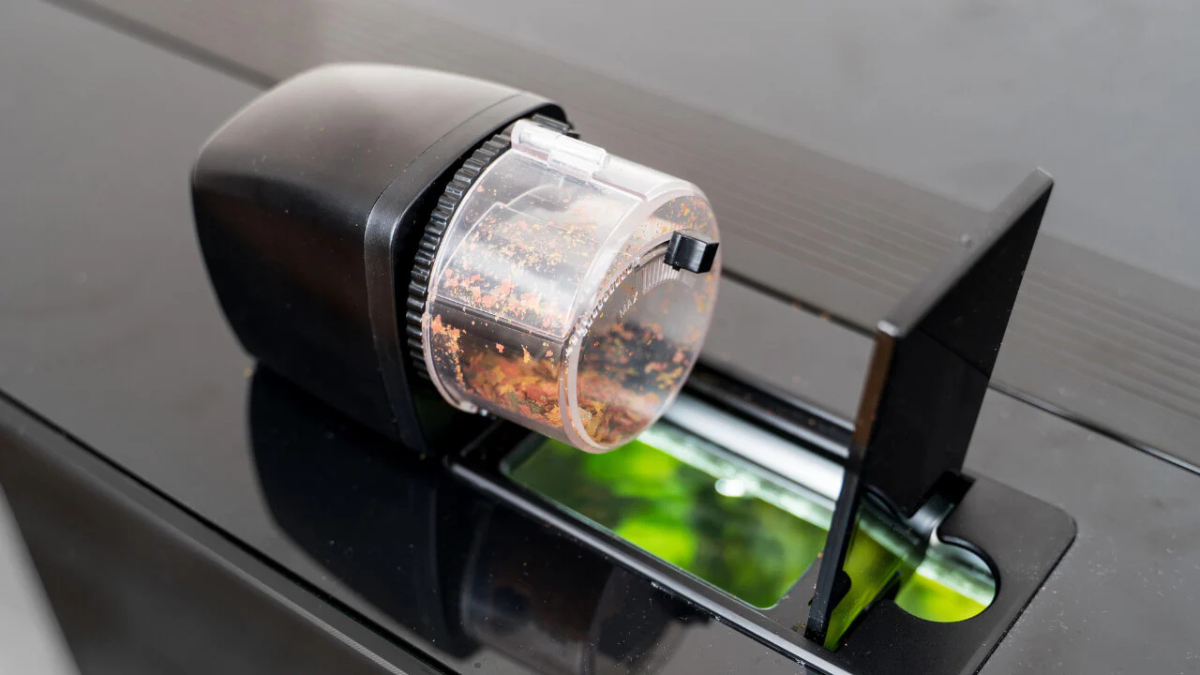
A timer-controlled automatic dry food dispenser, designed for aquariums (and in some larger models, ponds). One standard version has a capacity of about 0.175 L, weighs approximately 0.285 kg, and is made from ABS (plastic) material.
It supports multiple feed types — pellet, flake, particles, even small strips of feed.
You can set it to feed regularly (1–4 times a day in some models) so you don’t have to manually feed each time.
In sum: if you want less worry about your fish missing meals (or you’re going away), this kind of feeder may help.
Key Features & Specifications
Here are the standout specs of the LONDAFISH feeder (or what to look for) plus what they mean in practice:
-
Material & capacity: ABS plastic body; capacity around 0.175 L for the small model.
-
Feeding types supported: Good for pellet feeds, particle feeds, flake feeds, small feed strips.
-
Timer functionality: You can program feedings for certain times of day. Some models allow 12/24-hour intervals.
-
Power source: That small model uses 2 × AA 1.5 V alkaline batteries. (Note: rechargeable or “carbon” batteries are not recommended for that model.)
-
Mounting / storage considerations: Because the internal gear can misalign if the hopper is tampered with, one note warns: “please do not rotate the storage box manually.”
-
Larger models / pond-style: There are higher capacity / outdoor versions from LONDAFISH (10-L hopper outdoor feeder, solar/battery dual power, etc.) though these serve a different scale.
Why You Might Want This Feeder
Here are some benefits of using the LONDAFISH feeder:
-
Consistent feeding – When you get busy, go on vacation, or have unpredictable schedules, the timer ensures your fish don’t skip meals.
-
Portion control & regularity – Helps standardize feeding times, which improves fish health and can reduce overfeeding.
-
Convenience – Less fuss with manual daily feeding; once you set it up you can trust it to operate.
-
Supports multiple feed forms – Not just large pellets; useful if your fish eat flakes or smaller food.
-
Compact & affordable – For many small to medium aquariums, this offers a practical automation step without ultra-high cost.
Things to Consider / Limitations
Of course, no device is perfect. Here are common caveats with this feeder (and automatic feeders in general) you should weigh:
-
Battery Dependency – The feeder uses AA batteries in the smaller version. If the batteries drain mid-week (especially if you’re away), feeding may stop. It’s wise to check battery status or use fresh ones before leaving the house.
-
Feed Type & Flow Issues – Some feed types (very fine powders, moist flakes, or clumped feeds) may jam or not dispense reliably. One user forum noted the LONDAFISH model “works excellent” but also that feed particles and devices may differ in reliability.
-
Capacity Limits – The 0.175 L hopper is fine for many aquariums, but if you have a large tank or multiple tanks, it may require frequent refills. Also, outdoor/pond versions come with much larger capacity but cost more.
-
Mounting & Setup – Proper placement is important. If the feeder isn’t level, if the hopper is twisted, or if the feed falls into water prematurely, issues can crop up. For the outdoor model, users reported challenges like wind or overheating if mounted poorly.
-
Feed Timing vs Fish Behavior – Automatic feeders can’t perfectly mimic an aquarist’s judgement: some fish prefer very frequent small feeds, or mixed feed types; if they are finicky, review whether the feeder suits them.
-
Not Fully “Smart” in Some Models – Some automatic feeders are WiFi/APP enabled; others (including some LONDAFISH models) are more basic timer units. Make sure you buy the right model for your needs (remote control, alerts, etc).
-
Risk of Overfeeding – Incorrect programming or feed clumping could dump too much food, which can pollute water and stress fish.
Setup & Best Practices
Here’s how to get the best out of your LONDAFISH feeder:
-
Choose placement carefully: Mount the feeder so the food drops safely into the tank, away from filters or strong currents. Make sure it’s stable and level.
-
Use the right feed size: If your flake or pellet size is too large/small for the dispenser, adjust feed type so it flows well.
-
Program routines: If you’re away or have irregular timing, program multiple feedings (for example, morning + afternoon + evening).
-
Test before leaving: Especially if you’ll be away for a while, do a trial of 1–2 days and check that the feeder dispenses properly and the fish eat the food.
-
Check battery and feed level: Each week (or before leaving) check the hopper is full, the batteries are fresh, and nothing is stuck.
-
Avoid moisture/clumping: Keep the feed dry; if flakes absorb moisture they may clog.
-
Watch fish reaction: Ensure your fish are responding well — aren’t ignoring the feed due to schedule change or overfeed.
-
Clean and maintain: Periodically open the hopper, remove any old or stuck food, clean the mechanism.
Who Is This Feeder Ideal For?
This is a strong match for:
-
Busy hobbyists who want consistent feeding without daily manual effort.
-
People who travel or will be away from their aquarium for short periods (weekends, short trips).
-
Small to medium aquariums where a 0.175 L hopper is sufficient.
-
Fish tanks where feed type is compatible (flakes, pellets, particles).
It might not be ideal for:
-
Very large aquariums with many fish (where feeder capacity or feeding frequency may be insufficient).
-
Tanks requiring complex feeding (live food, very frequent tiny portions, mixed large & small feeds).
-
Aquarists needing advanced features like WiFi/remote monitoring (unless you choose the higher model).
-
Extremely finicky fish who might need hand-feeding or variable feed types.
Verdict: Is It Worth It?
For many aquarium owners, the LONDAFISH Fish Feeder offers excellent value and convenience. Automation of feeding removes a regular chore, ensures more reliable feeding patterns, and gives peace of mind when you’re away. The build and specification are decent for typical setups.
However, it’s not flawless: you’ll need to ensure feed compatibility, monitor battery/maintenance, and accept that it’s a simpler automatic feeder rather than a high-end “smart” feeder with sensors, alerts or streaming cameras. If your aquarium setup is moderate (not enormous), your fish feed on regular items, and you’re looking for a practical solution rather than premium features, this feeder is a very sensible pick. If your requirements are more demanding, it may still work but you’ll need to ensure you pick the right variant and manage expectations.
Final Thoughts
Maintaining an aquarium involves many small details — and feeding consistently is one of them. You can reduce the mental load of daily feeding, make your fish’s schedule more regular, and cover those times when you’re out of the house. If you follow best practices around feed type, mounting, battery checks and maintenance, you should get reliable performance. Pair it with good water quality and monitoring, and the feeder becomes one less thing to worry about — letting you focus more on enjoying your aquarium.
Whether you’re a beginner or just want to streamline your hobby, offers a smart automation step. Just match your tank’s needs with the feeder’s capabilities, and you’ll be well on your way to more convenient, consistent fish care.