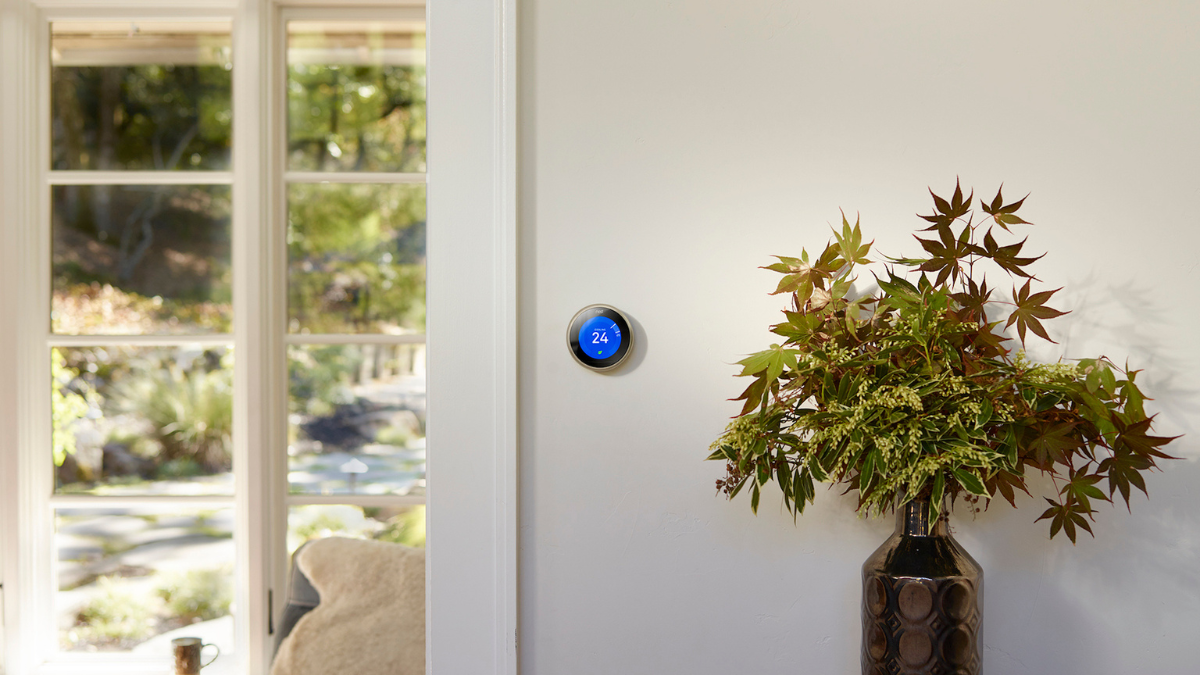
A smart home device designed to make temperature control easier, more convenient, and more energy-efficient. Unlike traditional thermostats that require users to adjust the temperature manually, this intelligent device can learn household preferences and create an automatic heating and cooling schedule. It combines modern technology with a stylish design, allowing homeowners to manage their indoor environment while potentially reducing energy consumption.
As smart home technology becomes increasingly popular, the Nest Learning Thermostat offers a practical solution for people who want greater control over their home climate. Through its learning capabilities, remote access, and energy-saving features, it helps users maintain comfortable indoor temperatures with less effort.
What Is the Google Nest Thermostat?
A programmable smart thermostat developed by Google Nest. It connects to compatible heating, ventilation, and air-conditioning systems and allows users to control indoor temperatures through the thermostat itself or a compatible smartphone application.
One of its defining features is its ability to learn from user behavior. During the initial period of use, homeowners can adjust the temperature according to their preferences. The thermostat observes these adjustments and uses the information to develop a personalized schedule. Over time, it can automatically adjust the temperature based on the established routine.
The device is available in different generations, including newer models with updated displays, controls, and smart home capabilities. Features and compatibility vary by model, so buyers should confirm which version meets their household requirements.
Key Features of the Nest Learning Thermostat
1. Automatic Temperature Scheduling
The learning function is one of the thermostat’s most important features. Instead of requiring users to program every temperature change, the device can learn preferred settings based on repeated adjustments.
For example, a household may prefer a cooler environment during the evening and a different setting overnight. The thermostat can learn these patterns and create a schedule that supports the household’s routine.
This automation reduces the need for constant manual adjustments. Users can also modify the schedule whenever their preferences or daily activities change.
2. Remote Control Through a Smartphone
It can be controlled remotely through the Google Home app or the supported app for a particular model. This feature allows users to check or change temperature settings even when they are away from home.
Remote access can be useful when schedules change unexpectedly. A homeowner returning earlier than usual may adjust the temperature before arriving, provided the system and internet connection are available.
It also makes temperature management more convenient for households with different daily routines.
3. Energy-Saving Capabilities
Energy efficiency is another major benefit. By helping users avoid unnecessary heating or cooling, it can support more responsible energy consumption.
Depending on the model and configuration, energy-saving features may include schedule optimization, temperature adjustments when the home is unoccupied, and energy-use information.
Actual savings depend on several factors, including the local climate, electricity prices, HVAC equipment, insulation, and previous temperature settings. A smart thermostat does not guarantee lower energy bills, but it can help users develop more efficient habits.
4. Home and Away Features
Compatible Nest models can use occupancy-related information to help determine whether a home is occupied. Depending on the model, this may involve built-in sensing, connected devices, or other supported settings.
When the household is away, the thermostat can use an appropriate energy-saving temperature setting. When occupants return, it can help restore a more comfortable environment.
Users should review the available presence-detection settings to ensure the thermostat behaves as expected.
Features a distinctive circular design and a display that presents temperature information clearly. Its physical controls make it possible to adjust settings directly without always relying on a smartphone.
Newer generations may offer larger displays, improved interfaces, and additional smart home integrations. The exact appearance and functions depend on the selected model.
Its modern design can complement contemporary interiors while providing practical temperature control.
Benefits for Homeowners
First, automation makes everyday temperature management simpler. Once a suitable schedule has been established, users may not need to adjust the thermostat as frequently.
Second, remote access provides flexibility. Users can change settings when traveling, working late, or returning home at an unexpected time.
Third, energy-conscious scheduling may reduce unnecessary HVAC operation. Over time, this can contribute to more efficient household energy use, although the financial results vary between homes.
Finally, the device can support a more connected home environment. Compatible Google Home devices and supported integrations may allow users to manage temperature alongside other smart home functions.
Installation and Compatibility
Homeowners should verify that their existing heating and cooling equipment is compatible. Compatibility depends on the HVAC system, wiring configuration, power requirements, and thermostat generation.
Some installations may require a common wire, often called a C-wire, or an alternative power solution supported by the particular model. Certain systems may also require professional installation.
In regions where homes primarily use individual split-type or inverter air conditioners, compatibility deserves special attention. Many such systems use proprietary electronic controls rather than the conventional low-voltage wiring used by many North American central HVAC systems. Consequently, a Nest Learning Thermostat generally cannot directly control every mini-split or inverter air conditioner.
Homeowners should consult the manufacturer’s compatibility information and, when necessary, an HVAC technician before purchasing the device.
Limitations to Consider
Another consideration is regional availability. Some features, services, and compatible accessories may differ depending on the country and model. Buyers should verify local support and warranty arrangements.
The thermostat also depends on compatible equipment for its primary functions. A household with an unsupported air-conditioning system may need a different smart controller.
Privacy and connectivity are additional considerations. Because the thermostat uses connected services for certain functions, users should review account permissions, privacy settings, and internet requirements.
Is the Nest Learning Thermostat Worth Buying?
They may be a worthwhile investment for homeowners who have compatible HVAC systems and want convenient, automated temperature management. Its learning features, remote controls, and energy-conscious settings can make everyday climate control easier.
However, the best choice depends on the home. Buyers should compare the device’s price, compatibility, installation requirements, and available features with their actual needs. Those using conventional central heating and cooling may find it particularly appealing, while owners of unsupported air conditioners may need an alternative solution.
It is also important to distinguish between convenience and guaranteed financial savings. The thermostat can help optimize temperature settings, but the amount saved depends on usage patterns and the efficiency of the overall HVAC system.
Conclusion
They demonstrates how smart technology can improve household temperature management. By learning user preferences, supporting remote access, and offering energy-conscious controls, it provides a convenient alternative to traditional thermostats.
Its greatest strengths are automation, ease of use, and integration with compatible smart home systems. Nevertheless, compatibility, installation costs, regional support, and the type of air-conditioning equipment should be considered before making a purchase.
For households with compatible systems, the Nest Learning Thermostat can be a useful step toward a more comfortable and connected home. Careful research before installation helps ensure that its features provide practical value and meet the household’s specific requirements.