Freshly prepared juice is a delicious way to enjoy fruits and vegetables as part of a balanced diet. Whether you prefer refreshing orange juice in the morning, a glass of apple juice in the afternoon, or a colorful combination of carrots, celery, and leafy greens, having a reliable juicer at home can make preparation easier. One brand worth exploring in the juicing industry is Omega, which is known for its range of juicing appliances designed for home use.
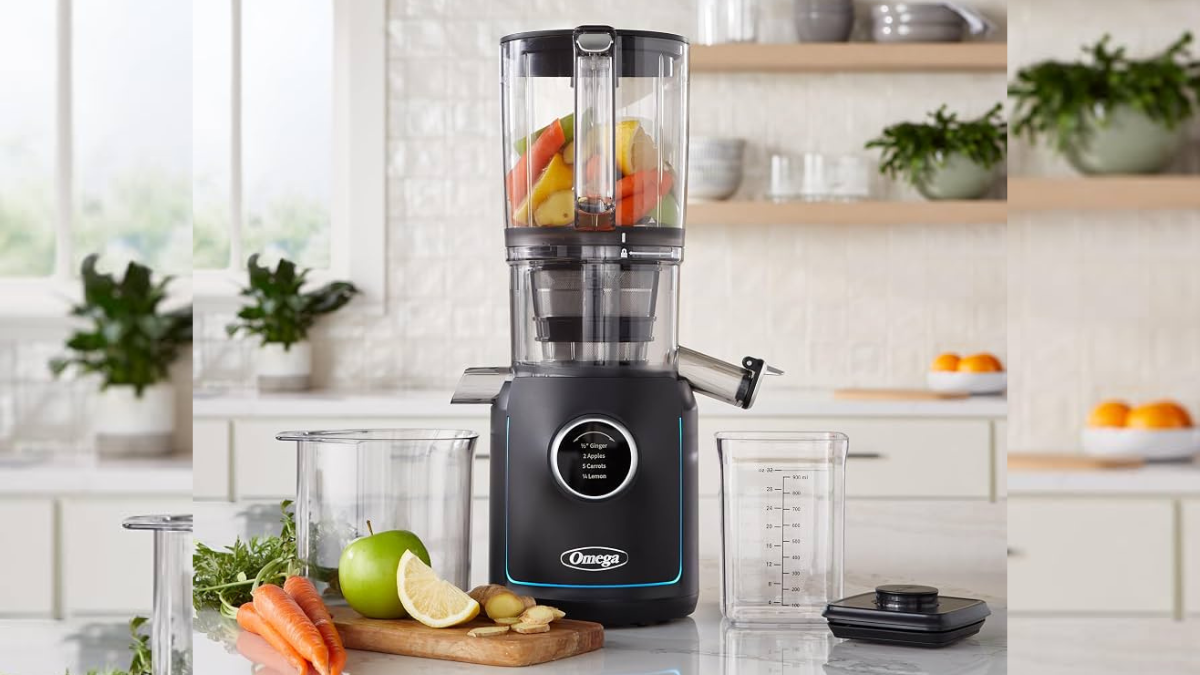
An Omega centrifugal juicer offers a convenient approach to extracting juice from fresh produce. Using a high-speed spinning mechanism, this type of appliance separates liquid from pulp, allowing users to prepare fresh beverages in a relatively short amount of time.
This is an electric kitchen appliance designed to extract juice from fruits and vegetables through centrifugal force.
Unlike manual juicers, which require physical effort, centrifugal juicers use an electric motor to spin a cutting blade or grating disc at high speed. The produce is broken down into smaller pieces, and the spinning action pushes the juice through a filter while separating the pulp.
The extracted juice flows into a collection container, while the remaining solid material is directed into a separate pulp container.
Omega offers different types of juicers, including centrifugal and slow-speed models. Therefore, it is important to check the exact product model before purchasing to confirm that it uses centrifugal technology.
Design and Build Quality
The design of a juicer plays an important role in its everyday usability. A well-designed appliance should be sturdy, easy to operate, and convenient to clean.
Depending on the model, an Omega centrifugal juicer may feature a combination of durable plastic housing, stainless-steel components, and removable food-contact parts.
A wide feeding chute is another feature worth considering. It allows users to insert larger pieces of produce, reducing the amount of cutting and preparation required.
A stable base is also important because centrifugal juicers operate at high speeds. A properly designed base helps keep the appliance steady while extracting juice.
When choosing an Omega juicer, examine the materials, dimensions, weight, and overall construction to determine whether it suits your kitchen space and daily needs.
The main advantage is its relatively fast extraction process.
The operation generally involves several steps:
-
Fresh fruits or vegetables are washed and prepared.
-
Produce is placed into the feeding chute.
-
A pusher guides the ingredients toward the cutting mechanism.
-
A rapidly rotating blade or grating disc breaks down the produce.
-
Centrifugal force separates the juice from the pulp.
-
Fresh juice flows into a container for serving.
This process makes centrifugal juicers particularly useful for people who want to prepare beverages quickly.
For example, apples, carrots, cucumbers, and oranges can be used to create different juice combinations. Some produce may require peeling, removing seeds, or cutting into smaller pieces before processing.
Benefits of Using an Omega Centrifugal Juicer
There are several reasons why homeowners may consider purchasing a centrifugal juicer.
Fast juice preparation
Centrifugal technology is designed for speed. It can extract juice relatively quickly, making it suitable for busy mornings or quick refreshments.
Convenient operation
Electric juicers reduce the physical effort required to prepare fresh juice. Users simply add ingredients and allow the machine to do the work.
Versatility
A centrifugal juicer can process various fruits and vegetables, depending on the manufacturer’s recommendations.
Homemade beverage options
Having a juicer at home allows users to experiment with different ingredients and create personalized juice combinations.
Less preparation time
Models with wider feeding chutes may accommodate larger pieces of produce, reducing the need for extensive chopping.
One of the enjoyable aspects of owning a juicer is experimenting with different fruits and vegetables.
Here are some popular ingredients to try:
| Ingredient |
Juicing characteristics |
| Apples |
Mild, naturally sweet juice |
| Oranges |
Refreshing citrus flavor |
| Carrots |
Earthy and naturally sweet |
| Cucumbers |
Light and refreshing |
| Pineapples |
Sweet and tropical |
| Watermelon |
High-water-content juice |
| Celery |
Distinctive, fresh flavor |
| Beets |
Rich color and earthy taste |
| Pears |
Mild and naturally sweet |
You can also combine ingredients to create unique flavors.
For example, apple, carrot, and ginger make a flavorful combination, while cucumber, pineapple, and mint provide a refreshing beverage.
Always follow the appliance’s instructions regarding ingredients, preparation, and produce suitability.
Juice Quality and Nutritional Considerations
Freshly extracted juice can provide vitamins, minerals, and plant compounds naturally present in fruits and vegetables.
However, the nutritional value depends on the ingredients used, the amount of produce processed, and how the juice is stored.
Centrifugal juicers use high-speed spinning mechanisms, which can introduce more air into the juice compared with some other juicing methods. This may contribute to faster oxidation and changes in flavor or appearance over time.
For the best experience, drink freshly prepared juice soon after extraction. If you need to store it, use a clean, airtight container and refrigerate it promptly.
It is also important to remember that juicing removes much of the fiber found in whole fruits and vegetables. Whole produce remains an important part of a balanced diet.
Ease of Cleaning and Maintenance
Cleaning is an important consideration when buying any juicing appliance.
Fruit pulp, vegetable fibers, and juice residue can accumulate inside the cutting mechanism and filter basket. Cleaning these components immediately after use can help prevent residue from drying and becoming difficult to remove.
Here are some useful maintenance practices:
-
Unplug the juicer before cleaning.
-
Disassemble removable components according to the manual.
-
Rinse food-contact parts after every use.
-
Use an appropriate cleaning brush for the filter basket.
-
Avoid abrasive materials that could damage surfaces.
-
Dry removable components before storing them.
-
Never immerse the motor base in water.
Some components may be dishwasher-safe, but this should always be confirmed in the product instructions.
Regular cleaning helps maintain performance, hygiene, and the overall lifespan of the appliance.
Omega Centrifugal Juicer vs. Slow Juicer
It helps to understand the difference between centrifugal and slow-speed juicing.
| Feature |
Centrifugal juicer |
Slow juicer |
| Extraction method |
High-speed spinning |
Slow crushing and pressing |
| Juicing speed |
Generally faster |
Generally slower |
| Preparation |
Often convenient |
May require smaller pieces |
| Juice oxidation |
Often greater |
Generally lower |
| Leafy greens |
Model-dependent |
Often handles them well |
| Cleaning |
Depends on design |
Depends on design |
Centrifugal juicers are generally suitable for people who prioritize speed and convenience.
Slow juicers may appeal more to users who prefer a slower extraction process and frequently juice leafy greens.
Neither type is automatically better for everyone. The right choice depends on your ingredients, budget, and personal preferences.
What to Consider Before Buying an Omega Juicer
Choosing the right juicer involves more than comparing prices.
Consider these factors before making a purchase:
Motor performance: Check the motor specifications and recommended operating duration.
Feeding chute size: A wider chute may reduce preparation time.
Juice container capacity: Choose a capacity appropriate for your household.
Pulp container: A larger pulp container can be convenient when preparing multiple servings.
Noise level: Centrifugal juicers can be relatively noisy because of their high-speed motors.
Safety features: Look for secure locking mechanisms and other manufacturer-provided safety features.
Warranty: Review the warranty terms and availability of authorized service centers.
Replacement parts: Check whether filters, blades, and other components are available.
These considerations can help you find a model that provides good value for your money.
They may be a worthwhile investment for people who enjoy fresh juice and value convenience.
Its high-speed extraction process can make preparing beverages easier, particularly for households with busy schedules. The ability to process different fruits and vegetables also gives users flexibility when creating homemade drinks.
The best choice is one that matches your juicing habits rather than simply offering the most features.
Conclusion
This is worth considering for anyone interested in preparing fresh fruit and vegetable juices at home. Its high-speed extraction technology offers convenience, relatively quick preparation, and the flexibility to experiment with different ingredients.
From refreshing citrus beverages to colorful fruit and vegetable combinations, a suitable juicer can make homemade juice preparation part of your everyday routine.
Ultimately, selecting the right juicer comes down to understanding your needs, comparing available models, and choosing an appliance that offers the right balance of performance, convenience, durability, and value. With proper cleaning and maintenance, a quality juicer can become a useful addition to your kitchen for years to come.