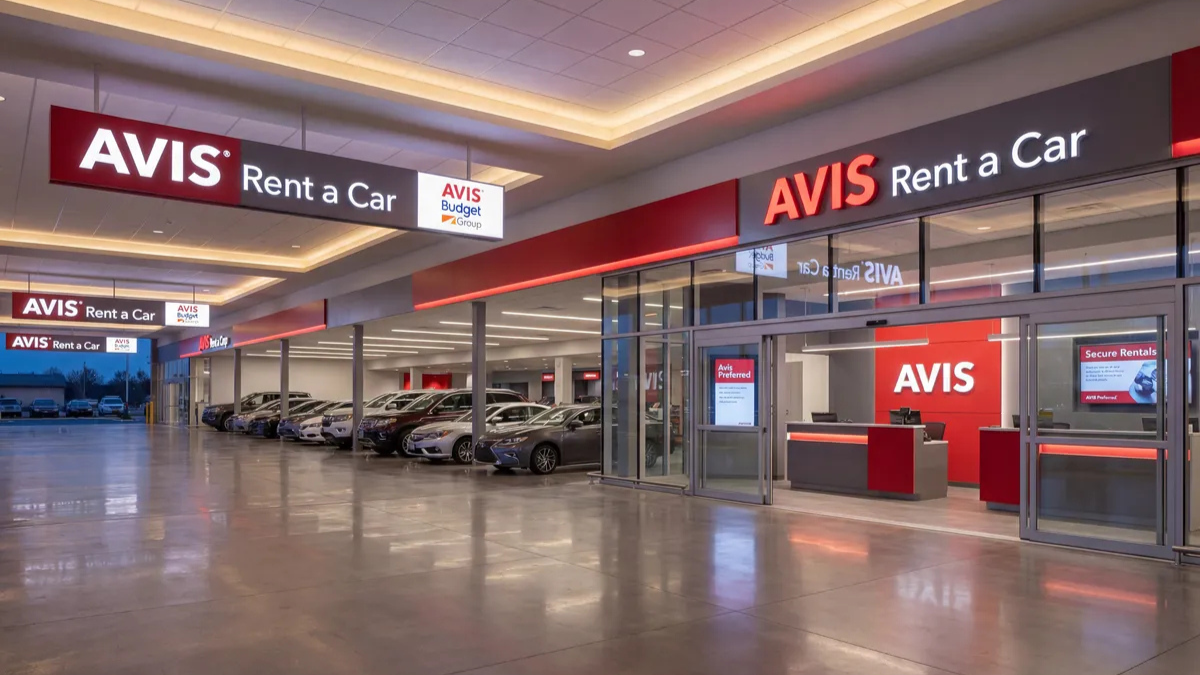
Avis Car Rental is one of the most recognizable names in the global transportation and travel industry. Founded in the United States shortly after World War II, they grew from a small airport-based rental operation into a worldwide mobility brand serving millions of travelers each year.
Although many people encounter Avis at airports and associate it with air travel, it is not an airline. Instead, it plays a crucial supporting role in the travel ecosystem by providing ground transportation for tourists, business travelers, and local users who need temporary access to vehicles.
The Origins of Avis
Founded in 1946 by Warren Avis in Detroit, Michigan. At the time, commercial air travel was expanding rapidly after World War II, but transportation from airports into cities remained limited. Avis identified this gap and built a business around providing rental cars directly at airport terminals.
This idea was innovative for its time. Before Avis, travelers often had to rely on taxis, buses, or personal arrangements to leave airports. They changed that by making rental cars immediately available upon arrival.
The company started small, operating at only a few airports, but demand quickly increased as air travel became more common in the United States and beyond.
Early Growth and Expansion
During the 1950s and 1960s, they expanded across the United States and began entering international markets. Its airport-focused strategy helped it stand out from competitors.
One of its most famous marketing moments came from its “We Try Harder” campaign, launched in 1962. At the time, Avis was the second-largest car rental company in the U.S., behind Hertz. Instead of hiding this, embraced it in its advertising and positioned itself as more customer-focused and motivated to improve service.
The slogan became one of the most successful marketing campaigns in business history and helped reshape the company’s public image.
Global Expansion
By the late 20th century, Avis had expanded across Europe, Asia, and other major regions. The company developed partnerships and franchise systems that allowed it to operate in many countries without owning every location directly.
This global expansion made Avis a familiar brand for international travelers. Whether renting a car in the United States, Europe, or Asia, customers could expect a consistent system of booking, pickup, and return procedures.
Today, They operates in over 150 countries through a combination of owned locations and franchise partnerships.
Services Offered by Avis
Provides a wide range of transportation services designed to meet different customer needs.
1. Airport Rentals
The core service of Avis is airport-based car rental. Customers can book a vehicle in advance or directly at airport counters. After landing, they pick up the car and drive to their destination.
2. City Rentals
Also operates in city centers, not just airports. This allows local residents and business travelers to rent cars without traveling to airports.
3. Business and Corporate Services
Many companies use for employee travel, conferences, and temporary transportation needs. Corporate accounts often include discounts and billing systems for frequent users.
4. Long-Term Rentals
Instead of purchasing or leasing a vehicle, some customers rent cars from Avis for weeks or months at a time. This is common for expatriates, temporary workers, and tourists on long stays.
5. Premium and Specialty Vehicles
Depending on location, it may offer SUVs, luxury sedans, convertibles, and even specialty vehicles for specific needs.
6. Insurance and Protection Options
Customers can choose additional coverage plans that reduce liability in case of accidents, theft, or damage.
How Avis Fits Into Modern Travel
Plays a critical role in what is known as “last-mile transportation.” While airlines handle long-distance travel, they do not solve the problem of how passengers move once they land.
It fills this gap by providing immediate access to transportation at airports. This makes it part of a larger travel chain:
- Passenger books flight
- Passenger travels by airline
- Passenger arrives at airport
- Passenger picks up luggage
- Passenger collects rental car from Avis
- Passenger continues journey by road
Travelers would rely heavily on taxis, public transport, or private pickups, which may not always be convenient or available.
Why Avis Is Often Confused With Airlines
Many people mistakenly think that this is related to airlines because:
Airport Presence
The counters are located inside airport terminals, often near airline arrival areas.
Travel Booking Platforms
When booking flights online, customers often see options like “add car rental with Avis,” which visually connects the two services.
Shared Customer Base
Both airlines and they serve travelers, so they naturally appear in the same booking and travel experience.
Branding Environment
Airports are dominated by aviation branding, making non-airline companies seem connected to flight services.
Despite these similarities, Avis operates entirely in ground transportation.
Technology and Digital Transformation
In recent years, they has modernized its services significantly. Like many travel companies, it has adopted digital tools to improve convenience and efficiency.
Key developments include:
- Online and mobile booking systems
- Digital check-in and express pickup options
- Vehicle selection through mobile apps
- Contactless payment systems
- Loyalty rewards programs for frequent customers
These innovations help to remain competitive in a market that increasingly values speed and convenience.
The Avis Loyalty Program
Offers a rewards system known as Avis Preferred. Members receive benefits such as:
- Faster pickup and drop-off processes
- Priority service at rental counters
- Exclusive discounts and promotions
- Ability to skip certain paperwork processes
This program is especially popular among frequent business travelers who rely on Avis regularly.
Competitors in the Industry
Operates in a competitive global market. Its main competitors include other major rental companies such as Hertz, Enterprise, and Budget.
Each company offers similar core services, but they compete on:
- Pricing
- Vehicle availability
- Customer service quality
- Loyalty programs
- Geographic coverage
Despite strong competition, they remains one of the top global brands due to its long history and strong airport presence.
Economic and Tourism Impact
Car rental companies contribute significantly to tourism and local economies.
They:
- Support tourism by enabling independent travel
- Provide jobs in airports and cities
- Support airline connectivity by improving mobility
- Help business travelers move efficiently between meetings
In many destinations, especially tourist-heavy regions, car rental services are essential infrastructure.
Challenges Facing Avis
Like many transportation companies, they faces several challenges:
- Rising fuel and maintenance costs
- Increasing competition from ride-hailing apps
- Environmental pressure to reduce emissions
- Economic fluctuations affecting travel demand
- Digital disruption in transportation services
To adapt, they has been exploring electric vehicle fleets, sustainability initiatives, and partnerships with mobility platforms.
Future of Avis
The future is closely tied to changes in global travel behavior. As transportation becomes more digital and environmentally focused, this is expected to continue evolving.
Potential future developments include:
- Expansion of electric and hybrid vehicle fleets
- Integration with autonomous vehicle technology
- Greater use of app-based, contactless rentals
- Expansion in emerging travel markets
- Stronger partnerships with airlines and hotels
These changes will help Avis remain relevant in a rapidly changing mobility landscape.
Conclusion
They has grown from a small airport rental service in 1946 into a global transportation leader. While often mistaken for an airline due to its airport presence, they plays a very different but equally important role in the travel industry.
By providing convenient access to rental vehicles, Avis bridges the gap between air travel and ground transportation, helping millions of travelers complete their journeys every year. Its continued innovation and global reach ensure it remains a key part of modern mobility systems.