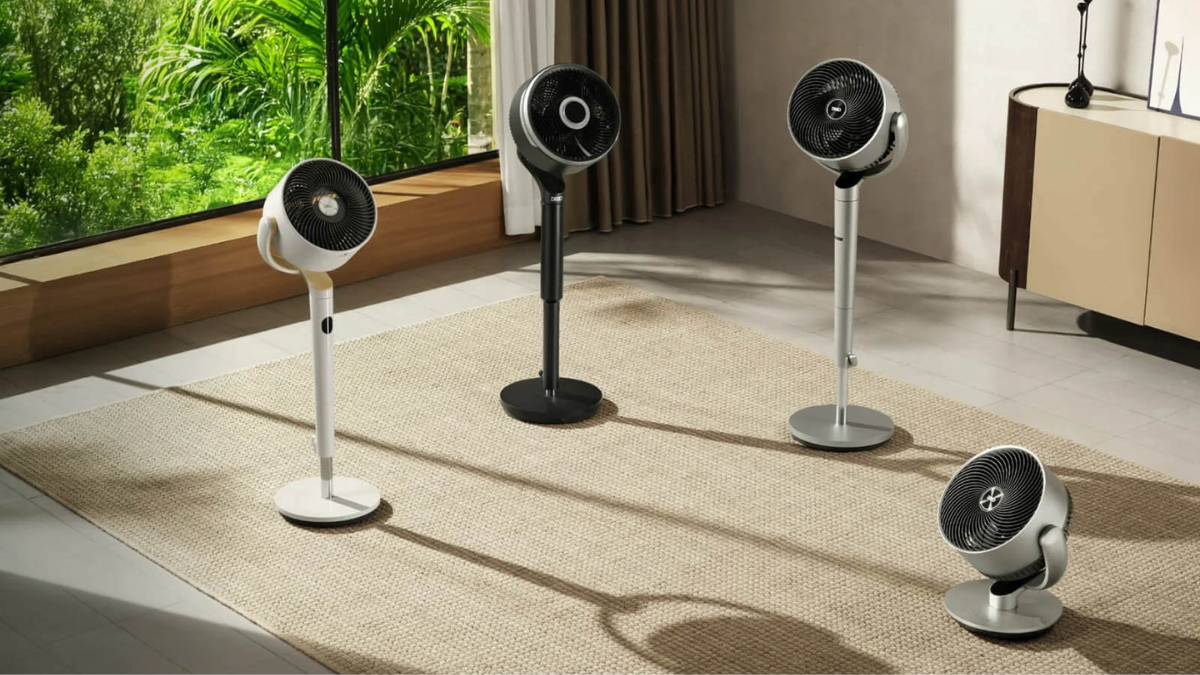
Maintaining a comfortable indoor environment is important, especially during warm weather. While air conditioners provide cooling, fans remain a practical option for improving air circulation, reducing stuffiness, and creating a more comfortable living space. DREO fans have gained attention for combining modern design, powerful airflow, quiet operation, and convenient controls in a range of household cooling products.
They offers several types of fans, including tower fans, pedestal fans, air circulators, and smart fans. Depending on the model, these products may include multiple speed settings, oscillation, remote controls, timers, and smartphone connectivity. Some models also feature advanced airflow technologies designed to distribute air throughout a room.
What Is a DREO Fan?
This is an electric cooling and air-circulation appliance manufactured by DREO, a home appliance brand known for products such as fans, heaters, humidifiers, and air treatment devices.
Unlike traditional fans that may offer only a few basic speed settings, many models provide more adjustable controls and contemporary designs. Depending on the product, users can select different airflow levels, adjust oscillation, set operating timers, and control the fan using a remote or compatible smartphone application.
The brand’s range includes compact fans for personal use and larger models intended to circulate air throughout a room. Because specifications vary considerably, consumers should compare individual products rather than assume that every DREO fan offers the same features.
Key Features of DREO Fans
One of the main reasons people choose is their emphasis on airflow performance. Depending on the design, a fan may use an optimized blade structure, an aerodynamic air outlet, or a specialized internal air channel to move air efficiently.
Generally distribute air through a tall, narrow outlet, making them suitable for rooms where floor space is limited. Pedestal fans typically provide adjustable height and directional airflow, while air circulators are designed to help move air across a wider area.
The best choice depends on room size, furniture arrangement, and personal cooling preferences. A fan with a high maximum airflow rating may be useful in a larger room, while a compact model may be sufficient for a desk or bedside table.
2. Quiet Operation
Noise is an important consideration when choosing a fan for a bedroom, study area, or home office. Many models are designed to operate quietly, making them suitable for environments where excessive background noise can become distracting.
Some models offer sleep modes or lower-speed settings that reduce operating noise while maintaining gentle airflow. These features can be useful when reading, studying, working, or sleeping.
However, actual noise levels vary by model and operating speed. Fans generally become more noticeable at higher settings, and noise can also depend on placement, maintenance, and room acoustics. Buyers should check independent reviews and manufacturer specifications when quiet operation is a priority.
3. Multiple Speed Settings
Commonly provide several speed options, allowing users to adjust airflow according to the weather and their comfort preferences.
Lower settings can provide a gentle breeze for sleeping or working, while higher settings can produce stronger airflow when the room feels particularly warm. More granular speed adjustments may help users find a comfortable balance between cooling performance and noise.
Certain models also include specialized operating modes, such as natural breeze or sleep mode. These settings may change airflow patterns or gradually adjust fan speed to create a different experience from continuous operation.
The availability of these functions depends on the specific model.
Oscillation allows a fan to move its airflow from side to side instead of directing it toward one fixed location.
Some models offer adjustable oscillation angles, providing flexibility for different room layouts. A wider angle may be useful in a shared living space, while a narrower angle can direct airflow toward a particular seating area.
Air circulation can also help distribute conditioned air from an existing air conditioner. When used appropriately, a fan may improve perceived comfort and help reduce temperature differences between areas of a room.
5. Smart Controls and Remote Operation
Include smart features that make daily operation more convenient. Depending on the model, users may be able to control the fan through a smartphone application, a physical control panel, or a remote control.
Smart models may support functions such as speed adjustment, scheduling, timers, and integration with compatible voice assistants or smart home platforms.
These capabilities can be particularly useful when the fan is positioned across the room or when users want to adjust settings without getting up. Nevertheless, not every DREO fan supports app connectivity, and smart home compatibility should be verified before purchase.
6. Modern Design
These are available in designs intended to complement contemporary home interiors. Tower fans feature a vertical shape that can fit beside furniture, while pedestal models provide adjustable positioning and traditional fan-style airflow.
Many models use relatively simple controls and understated finishes, allowing them to blend into bedrooms, living rooms, and workspaces.
Design is more than appearance, however. The fan’s dimensions, stability, control placement, cleaning requirements, and cord length can all affect everyday usability.
Benefits of Using a DREO Fan
Improved Everyday Comfort
A fan creates moving air that helps sweat evaporate from the skin, making people feel cooler. This can improve comfort during warm weather, even though a standard fan does not significantly lower the actual temperature of a room.
Different airflow settings allow users to adapt the fan to their activity, whether they are working at a desk, relaxing on a sofa, or preparing for sleep.
Flexible Placement
DREO’s range includes models designed for different environments. Compact options can be useful for personal spaces, while tower and pedestal fans may be better suited to shared rooms.
Choosing an appropriate size helps ensure that the fan fits the available space without obstructing walkways or furniture.
Convenient Operation
Remote controls, timers, and smart functions available on selected models can make fan operation easier. A timer, for example, allows users to set an operating period before going to bed, while app-based controls may provide additional flexibility.
These features can be particularly valuable for households that use fans regularly throughout the day.
Potential Energy Savings
Fans typically consume less electricity than air conditioners, although actual consumption depends on the model and operating speed. Using a fan to improve personal comfort may allow some households to set their air conditioner to a slightly higher temperature.
The fan does not replace the cooling function of an air conditioner in every situation, especially during extremely hot or humid weather. However, combining appropriate air circulation with sensible air-conditioning settings can sometimes reduce overall cooling costs.
How to Choose the Right DREO Fan
For bedrooms, prioritize quiet operation, a suitable sleep mode, and convenient timers. For living rooms, consider airflow strength, oscillation range, and the size of the space. For offices, a compact design, adjustable speed, and easy controls may be more important.
Consumers should also consider whether smart connectivity is genuinely useful. If basic manual controls meet their needs, a less expensive model may provide better value than a feature-rich smart fan.
Before buying, compare the fan’s dimensions, airflow specifications, noise ratings, power consumption, warranty, and cleaning instructions. Checking replacement-part availability and local after-sales support is also worthwhile.
Limitations to Consider
First, a fan does not cool a room in the same way as an air conditioner. It primarily improves perceived comfort by moving air across the body. In very hot conditions, a fan alone may not provide sufficient relief.
Second, feature availability varies across the product range. Smart controls, oscillation options, sleep modes, and specialized airflow technologies may be limited to certain models.
Third, more advanced features can increase the purchase price. Consumers should decide whether app control, multiple modes, or additional airflow settings justify the extra cost.
Finally, fans require occasional cleaning to maintain performance. Dust can accumulate around air outlets, grilles, and internal components. Users should follow the manufacturer’s cleaning instructions and disconnect the appliance from power before performing maintenance.
Is a DREO Fan Worth Buying?
It may be a good choice for consumers who want a modern appliance with adjustable airflow and convenient operating features. The brand offers options for different rooms and preferences, from compact personal fans to larger tower and pedestal designs.
Its potential advantages include flexible speed settings, contemporary styling, and additional controls on selected models. These features can make everyday cooling more convenient.
However, the right choice depends on individual needs and budget. Buyers who require basic air circulation may not need an advanced smart model, while those who value remote operation or quiet performance may benefit from a more specialized option.
Conclusion
Combine everyday air circulation with modern design and a variety of convenience features. Depending on the model, users can benefit from adjustable airflow, oscillation, quiet operating modes, remote controls, and smart connectivity.
These features make DREO fans worth considering for bedrooms, living rooms, and home offices. They can improve perceived comfort, complement air-conditioning systems, and provide a flexible alternative when full-room refrigeration is unnecessary.
Nevertheless, performance, noise, energy consumption, and available controls differ between models. By comparing specifications and choosing a fan suited to the intended space, consumers can make a more informed purchasing decision and enjoy a comfortable indoor environment throughout the year.