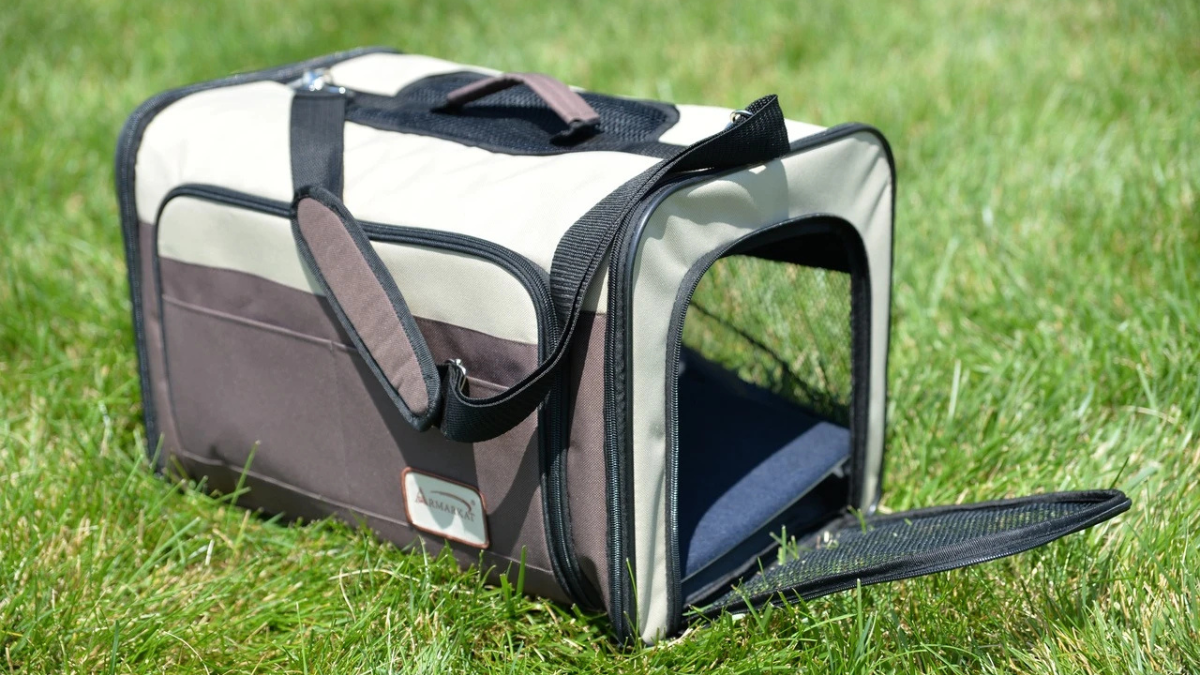
Traveling with a pet can be a rewarding experience, but it also requires careful preparation. Whether you are taking your cat to the veterinarian, transporting a small dog, or planning a short trip, having a suitable pet carrier can make the journey more organized and comfortable. The Armarkat Pet Carrier is an option pet owners may consider when looking for a practical way to transport their furry companions.
A brand associated with pet products, including cat furniture and accessories. When evaluating a pet carrier, it is important to focus on the particular model’s construction, size, ventilation, portability, and suitability for the animal using it. These characteristics can vary across products, so buyers should verify the specifications of the exact carrier before making a purchase.
A pet carrier is a portable enclosure designed to transport an animal safely from one location to another. Depending on its design, it may be used for visits to the veterinarian, local errands, temporary transportation, or certain types of travel.
Armarkat offers pet-related products, but the precise design and specifications of a carrier should be confirmed using the relevant product listing. Buyers should not assume that every carrier associated with a brand has identical dimensions, materials, or features.
A suitable carrier should provide enough room for the pet to sit, stand, turn around, and lie down naturally, while still keeping the animal securely contained during transport. The carrier should also be easy for the owner to handle and appropriate for the animal’s size and temperament.
Before selecting a model, consider whether it is intended for cats, small dogs, or another type of pet. A carrier that works well for one animal may not be appropriate for another.
Design and Construction
The design of a pet carrier affects both its practicality and the experience of the animal inside it. Some carriers use a rigid shell, while others feature flexible fabric construction. Each style has advantages and limitations.
A rigid carrier can provide a stable enclosure and may be easier to clean after minor accidents. A soft-sided carrier may be lighter and easier to store when not in use, depending on its construction.
When considering an Armarkat carrier, inspect the product photographs and specifications to determine which construction style it uses. Look closely at the frame, seams, zippers, doors, and attachment points. These areas are important because they help keep the animal contained during movement.
The carrier should feel sturdy enough for its intended use, without loose parts or damaged closures. If the product includes a carrying handle or shoulder strap, confirm that the attachments are secure and suitable for the expected load.
A well-designed carrier balances portability with stability. It should be convenient for the owner to carry while providing a secure environment for the pet.
Comfort is one of the most important factors when selecting a pet carrier. Animals may feel anxious when placed in unfamiliar surroundings, particularly when traveling in a car or visiting a veterinarian.
A suitable carrier gives the pet enough room to adopt natural resting positions without excessive crowding. Before buying, compare the carrier’s internal dimensions with your pet’s measurements, including body length and height.
A removable or washable interior pad can be helpful if the specific model includes one. Soft bedding may also improve comfort, provided it does not block ventilation or reduce the usable space too much.
For nervous pets, familiar bedding or a small cloth carrying a familiar scent may help create a more reassuring environment. Introduce the carrier gradually at home rather than waiting until the day of an appointment.
Leave the carrier open in a familiar room and allow the pet to explore it voluntarily. Short, positive practice sessions can help the animal become more comfortable with entering and spending time inside.
Never force an animal into a carrier that is too small, poorly ventilated, or unsuitable for its condition.
Ventilation and Visibility
Good ventilation is essential for any pet carrier. Air must circulate adequately to help prevent overheating and allow the animal to breathe comfortably.
Depending on the model, ventilation may be provided through mesh panels, openings, or built-in vents. Check the product description carefully and make sure the openings are not easily blocked by bedding or other items.
Visibility may also influence how comfortable a pet feels. Some animals settle more easily when they can see their surroundings, while others prefer a more sheltered environment. A carrier with a suitable combination of visibility and covered areas may help accommodate these preferences.
However, ventilation should always take priority over attempts to make the carrier more enclosed. Avoid covering openings with thick blankets or placing the carrier in direct sunlight for extended periods.
Pets should never be left unattended in a hot vehicle. Even with ventilation, the temperature inside a parked car can become dangerous quickly.
Portability and Ease of Handling
A carrier should be practical for the person transporting the animal. Weight, handle placement, overall dimensions, and the way the pet enters and exits can all affect everyday convenience.
For regular veterinary visits, a manageable carrier can make moving between the home, vehicle, and clinic easier. A model with a comfortable handle or an appropriate shoulder strap may be convenient for short distances, if those features are included.
Before purchasing an Armarkat carrier, check its empty weight and maximum recommended load. Remember that the total weight includes both the carrier and the pet.
A carrier that feels manageable when empty may become difficult to carry once an animal is inside. If your pet is heavy, has mobility difficulties, or requires frequent transportation, consider how you will lift and move the carrier without straining yourself or disturbing the animal.
For car journeys, a carrier should be positioned and secured according to its design and the vehicle’s safety requirements. Do not assume that a carrier is crash-tested simply because it is marketed for travel.
Cleaning and Maintenance
Pet carriers can accumulate fur, dirt, moisture, and odors through regular use. Choosing a design that is straightforward to clean can help maintain a more hygienic environment.
Rigid carriers often have surfaces that can be wiped down, while soft-sided models may require spot cleaning or more careful treatment. The correct cleaning method depends on the materials and the manufacturer’s instructions.
If the Armarkat model you are considering includes removable bedding or a washable liner, check whether it can be cleaned separately. This can be useful after a veterinary appointment or an unexpected accident.
Clean the carrier regularly, allow all components to dry completely, and inspect the interior for damaged seams, loose mesh, or worn fasteners.
Avoid using cleaning chemicals that may leave harmful residues or strong odors. Follow the manufacturer’s recommendations and make sure the carrier is fully dry before placing your pet inside.
Regular maintenance helps extend the useful life of a carrier and makes it easier to keep ready for future trips.
Everyday Uses for a Pet Carrier
Veterinary appointments: A secure carrier helps transport cats and small dogs from home to the clinic. It can also provide a familiar, contained space while waiting, where permitted.
Short trips: Depending on its design, a carrier may be suitable for brief local transportation or visits to pet-friendly destinations.
Moving house: A carrier can help keep a pet contained while doors are open and belongings are being moved. Introduce the carrier before moving day to reduce unnecessary stress.
Temporary containment: In certain situations, a carrier can provide a short-term secure space when used appropriately. It should not be treated as a permanent living area.
Travel planning: Some carriers may be suitable for specific forms of travel, but airline, train, and other transportation requirements vary. Confirm the carrier’s dimensions, ventilation, and acceptance requirements with the relevant transport provider before departure.
Not every carrier is suitable for every purpose. A product intended for short local trips may not meet the requirements for air travel or long journeys.
Potential Advantages and Limitations
The main advantage of a suitable Armarkat pet carrier is the possibility of having a dedicated space for transporting a pet. A well-matched carrier can help keep the animal contained, simplify handling, and make routine outings more manageable.
Practical features such as secure closures, good ventilation, appropriate padding, and convenient access can make a noticeable difference. Easy cleaning and manageable weight may also be useful for frequent pet owners.
However, the value of a particular carrier depends on its exact specifications. Some designs may be too small for larger animals, while others may be bulky or inconvenient to carry over long distances. Soft-sided carriers may not provide the same structural support as rigid models, and rigid carriers can take up more storage space.
Price alone is not a reliable measure of quality. Buyers should compare materials, construction, dimensions, closure systems, and the manufacturer’s guidance before deciding whether a carrier represents good value.
How to Choose the Right Armarkat Pet Carrier
Start by measuring your pet and comparing those measurements with the carrier’s internal dimensions. The animal should have enough room to sit, stand, turn around, and lie down naturally.
Next, assess ventilation and security. Look for adequate air openings, reliable closures, and construction that suits your pet’s behavior. Animals that chew, scratch, or attempt to escape may need a different style of carrier than calm pets.
Consider how you will use the carrier. For occasional veterinary visits, portability and easy cleaning may be priorities. For longer journeys, additional considerations include comfort, secure placement, and compliance with transportation rules.
Finally, review the current product listing, customer feedback, return policy, and warranty information. Confirm that the listed features match your needs instead of relying solely on general product descriptions.
Conclusion
This is worth investigating for pet owners who need a practical way to transport their animals. The right carrier can make veterinary appointments, local trips, and other outings more manageable while providing a secure space for a cat or appropriately sized dog.
The most important considerations are proper sizing, ventilation, secure closures, comfortable handling, and ease of cleaning. Buyers should also verify the exact model’s construction and intended use because carrier features can vary.