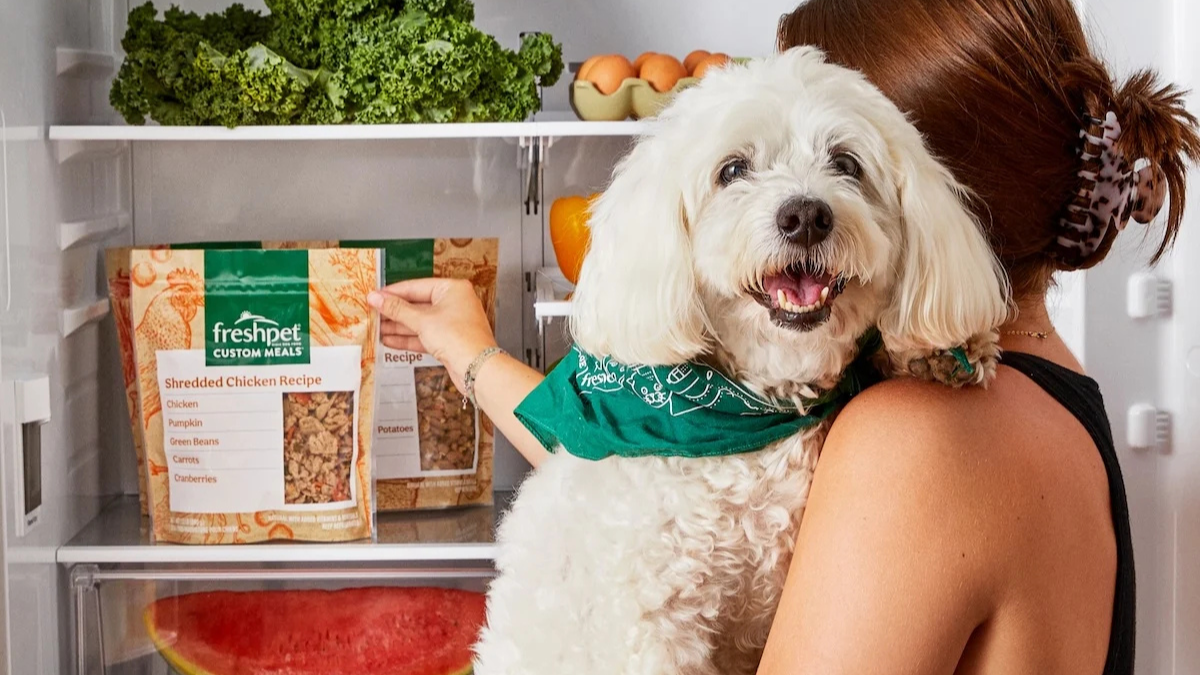
Choosing the right food for a dog is an important responsibility for every pet owner. Nutrition influences energy, digestion, body condition, and overall well-being, making the quality and suitability of a dog’s diet an important consideration. Among the different feeding options available today, fresh refrigerated dog food has become an increasingly recognizable alternative to traditional shelf-stable pet food. Freshpet Fresh Dog Food is part of this category, offering refrigerated meals designed to provide dogs with a fresh-food feeding experience.
These are made with a focus on fresh ingredients and are typically kept refrigerated. This makes them different from conventional dry kibble and many canned foods. For dog owners considering a fresh-food approach, understanding ingredients, storage, feeding routines, product varieties, and individual nutritional needs can help make the decision more informed.
An Introduction to Freshpet Fresh Dog Food
Freshpet is known for producing refrigerated pet food intended for dogs and cats. Unlike traditional dry food, Freshpet products are generally found in refrigerated sections of pet stores and grocery retailers.
The concept behind fresh dog food is relatively straightforward: provide a prepared meal that uses fresh ingredients while offering the convenience of a commercially produced pet food. Depending on the specific recipe, products can include animal proteins, vegetables, grains, fruits, and other ingredients selected for canine diets.
Because Freshpet offers different recipes and product lines, the exact ingredients and nutritional composition vary. Pet owners should always check the packaging of the particular recipe they are considering.
What Makes Fresh Dog Food Different?
One of the primary differences between refrigerated fresh food and conventional kibble is processing and storage. Dry kibble is designed to remain stable at room temperature for extended periods, while fresh refrigerated food requires cold storage to maintain its intended quality.
Freshpet’s refrigerated format can appeal to owners who want to provide their dogs with a food experience that differs from conventional dry meals. The texture and aroma of fresh food may also be different from kibble, which can be relevant for dogs with individual eating preferences.
However, “fresh” does not automatically mean that a food is appropriate for every dog. The nutritional adequacy of a particular recipe, the dog’s age and health requirements, and the feeding amount are all important considerations.
Ingredients and Nutritional Considerations
Ingredients are among the first things many pet owners examine when selecting dog food. Freshpet recipes can contain various sources of animal protein and plant-based ingredients, depending on the formulation.
Protein is particularly important in canine nutrition because it supplies amino acids needed for maintaining muscles and other body tissues. Other nutrients, including fats, carbohydrates, vitamins, minerals, and water, also contribute to a balanced diet.
Rather than focusing on a single ingredient, dog owners should consider the overall nutritional profile of the food. A commercially prepared diet should be evaluated according to its nutritional adequacy statement and intended life stage.
Puppies, adult dogs, senior dogs, and dogs with particular health requirements may have different nutritional needs. For dogs with medical conditions, dietary restrictions, allergies, or special nutritional requirements, consultation with a veterinarian can help determine whether a particular food is appropriate.
One reason some owners explore fresh dog food is palatability. Dogs can have individual preferences regarding texture, smell, and flavor, and some may show greater enthusiasm for one type of food than another.
Refrigerated food can have a different texture and aroma from dry kibble. This may make it an appealing option for some dogs, although individual responses naturally vary.
For owners dealing with a picky eater, changing foods should be approached gradually rather than suddenly replacing the existing diet. A slow transition can help reduce the likelihood of digestive upset and give the dog time to adjust to the new food.
Convenience for Dog Owners
Fresh dog food combines some characteristics of home-prepared meals with the convenience of commercially manufactured pet food. Owners do not have to independently calculate recipes or prepare individual ingredients for every meal.
At the same time, refrigerated food requires more attention to storage than shelf-stable products. Freshpet products generally need to remain refrigerated according to their package directions, and owners should follow the manufacturer’s guidance regarding opening, serving, and storage.
This can be especially important in households where refrigerator space is limited. Planning purchases and understanding how quickly a product should be used after opening can make fresh feeding easier to manage.
Feeding Freshpet to Your Dog
The appropriate amount of food depends on factors such as a dog’s size, age, activity level, body condition, and the specific recipe being fed. Feeding recommendations printed on the package provide a useful starting point, but individual dogs may require adjustments.
Monitoring body condition is important when introducing any new food. If a dog consistently gains or loses weight unexpectedly, the feeding amount or diet may need to be reassessed.
Treats and other foods should also be considered when evaluating the dog’s overall daily calorie intake. A balanced feeding routine involves more than simply choosing a high-quality main food.
Dogs can sometimes experience digestive upset when their diet changes abruptly. For this reason, gradual transitions are commonly recommended when introducing a new food.
A transition can involve mixing increasing amounts of the new food with decreasing amounts of the previous food over several days. The exact transition period may vary according to the individual dog and the food involved.
Owners should observe their dogs during the transition. Changes in appetite, stool consistency, energy, or other aspects of behavior can provide useful information about how the dog is responding.
If significant or persistent digestive problems occur, contacting a veterinarian is appropriate.
Storage and Food Safety
Proper storage is especially important with refrigerated dog food. It should be stored according to the instructions on the package, including recommended refrigeration temperatures and use-by guidance.
Pet owners should avoid leaving perishable food at room temperature for extended periods. After serving, any remaining food should be handled according to the manufacturer’s recommendations.
Using clean bowls and utensils can also help maintain good food-handling practices. Washing feeding dishes regularly is a simple but important part of responsible pet care.
Because storage requirements can vary by product, checking the specific package is always preferable to relying on general assumptions about refrigerated pet food.
Freshpet for Different Dogs
They offers a variety of recipes and product formats intended to accommodate different preferences and feeding situations. However, not every recipe is necessarily suitable for every dog.
A young, active dog may have different nutritional requirements from an older dog with a lower activity level. Similarly, dogs with food sensitivities or diagnosed health conditions may require specialized diets.
Breed size can also influence feeding needs. A small dog generally requires substantially less food than a large dog, although individual energy requirements can vary.
Pet owners should use the feeding information provided for the specific product and discuss significant dietary changes with a veterinarian when appropriate.
Factors to Consider Before Buying
Consider several practical factors. First, look at the specific recipe and its nutritional adequacy statement. This can help determine whether it is intended to provide complete and balanced nutrition for the appropriate life stage.
Next, consider storage requirements. Refrigerated food requires consistent access to suitable cold storage, which may be less convenient for some households than shelf-stable alternatives.
Cost is another factor. Fresh refrigerated food can have a different price structure from traditional kibble, so owners should consider the ongoing cost of feeding their dog’s appropriate daily portion.
Finally, think about the dog’s individual preferences and needs. A food that looks appealing to an owner may not necessarily be the right match for a particular dog.
Fresh Food as Part of Responsible Dog Care
Nutrition is only one component of canine health. Regular exercise, fresh water, veterinary care, dental care, grooming, mental stimulation, and a safe environment all contribute to a dog’s quality of life.
It can be incorporated into a broader approach to responsible pet ownership when it is nutritionally appropriate for the individual dog. Maintaining consistent feeding habits and monitoring changes in weight, appetite, and overall condition can help owners recognize when adjustments may be necessary.
It is also worth remembering that dogs have different nutritional requirements at different stages of life. Periodic discussions with a veterinarian can help ensure that a dog’s diet remains appropriate as those needs change.
Conclusion
They offers dog owners a refrigerated alternative to conventional shelf-stable pet food. Its fresh-food format, variety of recipes, and convenient preparation can make it an appealing option for people interested in exploring different feeding approaches.
However, choosing dog food should always begin with nutritional suitability rather than marketing or appearance alone. Owners should consider the specific recipe, nutritional adequacy, feeding instructions, storage requirements, individual preferences, and the dog’s age, size, activity level, and health needs.