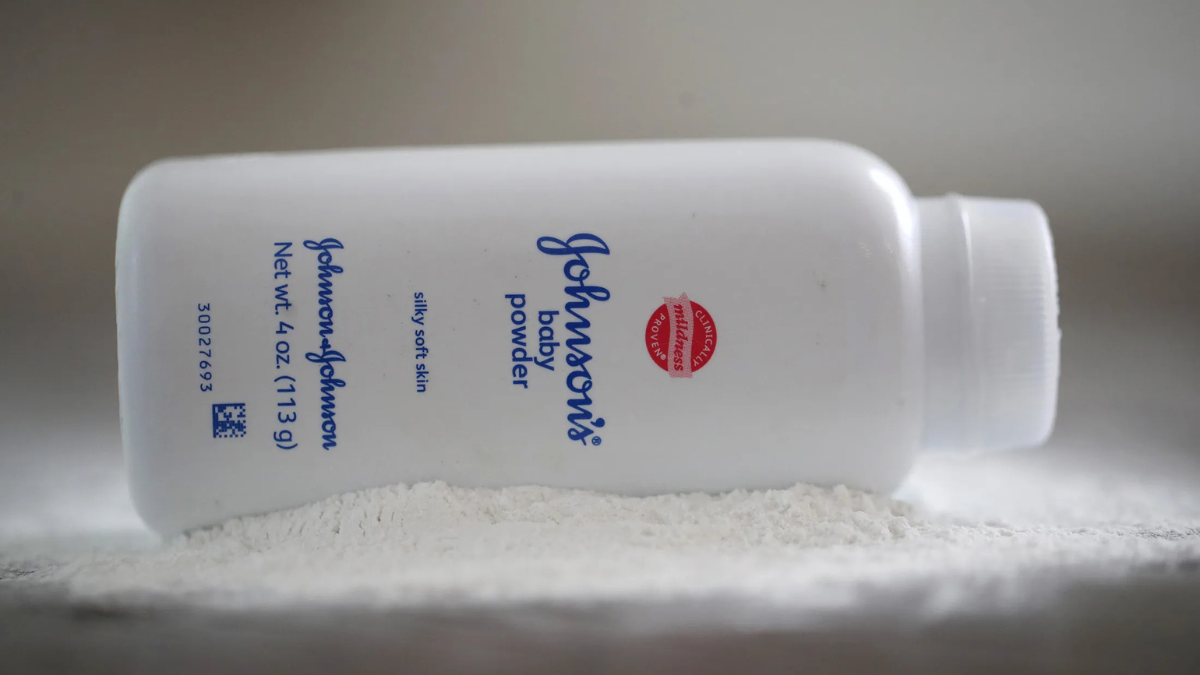
For generations, Johnson’s Baby Powder has been one of the most recognizable names in baby care. Known for its soft texture and comforting scent, the product has long been associated with gentle skin care, freshness, and daily hygiene. While it was originally developed for infants, Johnson’s Baby Powder has also found a place in adult routines, from skincare to household uses. Today, as consumer awareness around ingredients and safety grows, how it is used, and how it fits into modern care practices is more important than ever.
Johnson & Johnson introduced baby powder in the late 19th century as part of its broader focus on medical and personal care products. The powder quickly became popular among parents for its ability to keep babies’ skin dry and comfortable, especially in warm climates or during long periods in diapers. Over time, the product became a staple in households worldwide and an iconic symbol of baby care.
The familiar white bottle and distinctive scent created strong brand recognition, helping to become one of the most trusted names in infant hygiene for decades.
What Is Johnson’s Baby Powder?
This is designed to absorb excess moisture, reduce friction, and help keep skin feeling soft and dry. Traditionally, baby powder products were made using talc, a naturally occurring mineral known for its moisture-absorbing properties. In more recent years, Johnson & Johnson has expanded its offerings to include cornstarch-based baby powders, which serve a similar purpose without using talc.
Both versions aim to provide gentle care, especially for delicate skin. The powder’s fine texture allows it to spread easily and create a smooth layer that reduces irritation caused by moisture and rubbing.
Common Uses for Babies
The primary purpose of Johnson’s Baby Powder is infant care. Parents often use it to help prevent diaper rash by keeping the baby’s skin dry and minimizing friction. When applied correctly, it can help soothe areas prone to irritation, such as skin folds.
Beyond diaper care, some parents use baby powder after baths to keep their baby feeling fresh and comfortable. Its light fragrance is often associated with cleanliness and calm, making it part of bedtime or post-bath routines.
It is important, however, that baby powder is used carefully. Pediatric guidelines generally recommend applying the powder to the caregiver’s hands first, then gently patting it onto the baby’s skin to avoid inhalation.
Although designed for infants, It has long been used by adults as well. Many people apply it to areas prone to sweating, such as underarms, feet, or inner thighs, to help reduce moisture and discomfort. Its ability to absorb sweat makes it a popular choice during hot weather.
Some individuals also incorporate baby powder into their skincare or grooming routines. It may be used to help reduce friction when shaving, as a dry shampoo alternative in a pinch, or to keep skin dry under makeup. Additionally, it has practical household uses, such as freshening shoes, preventing sand from sticking to skin, or reducing squeaks in drawers.
Ingredients and Formulation
The formulation of Johnson’s Baby Powder varies depending on the specific product. Cornstarch-based versions typically include cornstarch as the primary ingredient, along with fragrance. Cornstarch is derived from corn and is widely used in food and cosmetic products for its absorbent properties.
Emphasizes that its baby powder products are dermatologist-tested and designed to be gentle on sensitive skin. The company has also made changes over time to align with evolving consumer expectations and regulatory standards.
Safety Considerations and Responsible Use
In recent years, conversations around baby powder safety have become more prominent. Health experts emphasize that any fine powder, regardless of ingredients, should be used with care to avoid inhalation, especially for infants. Breathing in airborne particles can irritate the lungs, which is why proper application methods are important.
For babies, experts often recommend using minimal amounts or opting for alternative moisture-control methods, such as frequent diaper changes and breathable clothing. For adults, baby powder should be used externally and in well-ventilated areas.
Consumers are encouraged to read product labels, follow manufacturer instructions, and consult healthcare professionals if they have concerns or sensitive skin conditions.
Changing Consumer Preferences
Modern consumers are increasingly ingredient-conscious, leading to shifts in how baby care products are formulated and marketed. Many parents now look for fragrance-free options, plant-based ingredients, or products labeled for sensitive skin. In response, Johnson & Johnson and other brands have expanded their product lines to meet these preferences.
The availability of cornstarch-based baby powders reflects this shift, offering consumers an alternative that aligns with changing expectations while maintaining the familiar benefits of traditional baby powder.
Cultural and Emotional Significance
Beyond its practical uses, It holds emotional significance for many people. Its scent is often associated with childhood, caregiving, and comfort. For some, it evokes memories of being cared for or caring for others, which contributes to its enduring popularity.
This emotional connection has helped the product remain relevant even as baby care trends evolve. While new products enter the market regularly, few have achieved the same level of recognition and nostalgia.
As awareness around skincare grows, some parents and caregivers explore alternatives to traditional baby powder. Creams, ointments, and barrier balms are often recommended for diaper rash prevention, as they create a protective layer rather than absorbing moisture.
For adults, products such as moisture-absorbing lotions or anti-chafing balms may serve a similar purpose. Choosing the right option depends on individual needs, skin type, and personal preferences.
Final Thoughts
Remains one of the most well-known products in the baby care category. Its long history, versatility, and recognizable branding have made it a household staple for generations. While modern discussions around ingredients and safety have changed how people view and use baby powder, it continues to be valued for its moisture-absorbing properties and gentle feel.
Like any personal care product, Johnson’s Baby Powder is best used thoughtfully and responsibly. Understanding its purpose, proper application, and available alternatives allows parents and adults alike to make informed decisions that suit their lifestyles and comfort levels.
In an era where consumer awareness is higher than ever, They represents both tradition and adaptation—an enduring product that continues to evolve alongside changing needs and expectations.