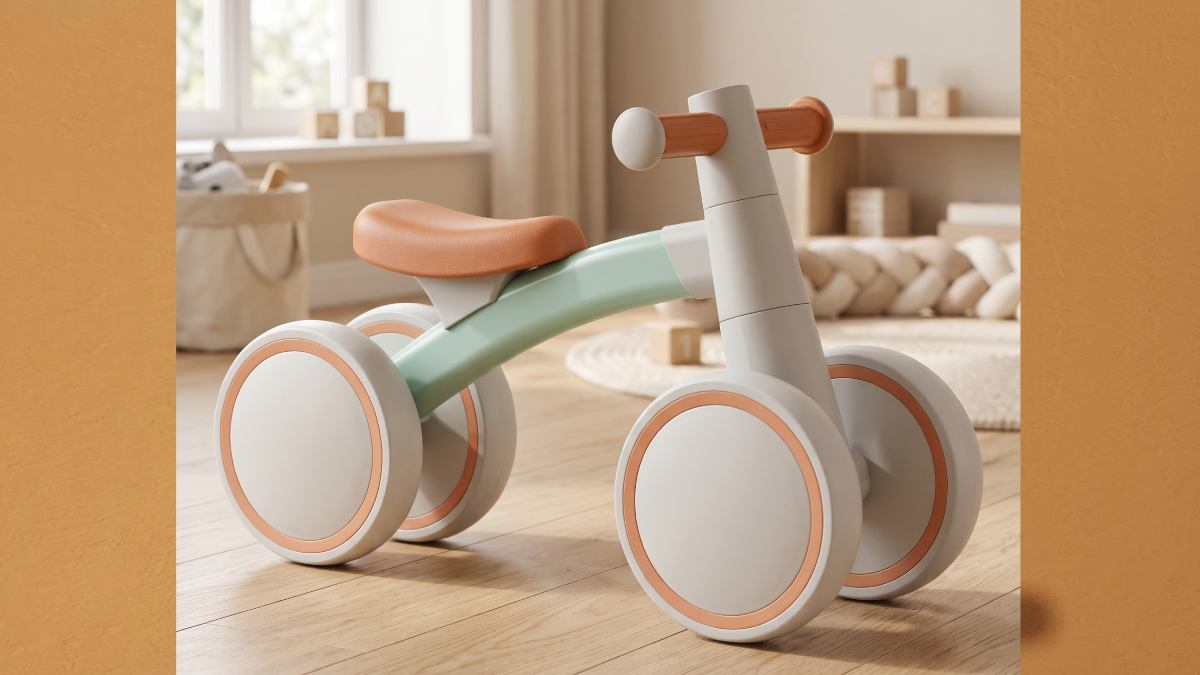
Learning how to ride a bicycle is an exciting milestone in every child’s development. However, before children can confidently ride a traditional bicycle, they need to develop essential skills such as balance, coordination, steering, and body control. This is where a balance bike becomes useful. One popular option among parents is the SEREED Balance Bike, a toddler-friendly bicycle designed to help young children learn balancing skills through fun and active play.
These are designed with young riders in mind. Depending on the model, they feature lightweight frames, comfortable seats, adjustable components, and child-friendly wheels. Unlike traditional bicycles, balance bikes do not have pedals. Instead, children use their feet to push themselves forward, gradually learning how to balance and control their movements.
What Is a SEREED Balance Bike?
A pedal-free bicycle designed primarily for toddlers and young children. Its main purpose is to teach children how to maintain their balance while moving on two wheels.
Unlike regular bicycles that require children to coordinate pedaling and balancing simultaneously, a balance bike allows them to focus on one important skill at a time: balance.
Children begin by sitting on the seat and walking the bike forward using their feet. As they become more comfortable, they start pushing themselves faster, lifting their feet briefly, and eventually gliding without touching the ground.
This simple learning process helps children develop the confidence and coordination needed to transition to a traditional bicycle later.
They offers different designs for various ages and developmental stages. Some models are intended for babies around 12 months old and feature four wheels for added stability, while other models are designed for older toddlers who are ready to practice balancing on two wheels.
Key Features of the SEREED Balance Bike
One reason parents consider is their child-friendly design. Although features vary depending on the specific model, several characteristics make these bikes suitable for young beginners.
Lightweight Construction
A lightweight frame makes it easier for toddlers to move, steer, and control their bicycles. Children can also learn to handle the bike without struggling with excessive weight.
For parents, lightweight construction makes transportation and storage more convenient.
Adjustable Seat
Many SEREED models include an adjustable seat that allows parents to change the seat height as their child grows. Proper seat positioning helps children place their feet comfortably on the ground.
This feature can extend the bike’s usefulness as children develop.
Comfortable Handlebar Design
The handlebars are designed to provide young riders with a comfortable grip. Easy steering helps children practice controlling their direction and navigating around obstacles.
Durable Wheels
Depending on the model, it may feature EVA foam or other child-friendly wheel materials. These wheels are generally designed for everyday recreational use and provide a convenient alternative to traditional pneumatic tires.
Child-Friendly Appearance
These are available in attractive colors and designs that appeal to young children. A visually appealing bicycle can make learning more exciting and encourage children to participate in outdoor activities.
Developmental Benefits of Using a Balance Bike
A balance bike is more than just a toy. It can support several aspects of a child’s physical and developmental growth.
Improves Balance and Coordination
The primary benefit of a balance bike is helping children develop balance. As they move forward, they learn how to distribute their body weight, maintain stability, and adjust their posture.
These movements strengthen coordination and improve body awareness.
Develops Motor Skills
Operating a balance bike requires children to coordinate their legs, arms, hands, and body movements. They learn to push forward, steer, stop, and change direction.
These activities help develop gross motor skills that are important during early childhood.
Builds Confidence and Independence
Learning a new skill can be challenging for toddlers. A balance bike allows children to progress at their own pace.
Initially, they may simply walk while sitting on the bike. Over time, they become more comfortable and begin gliding independently.
Every small achievement can improve their confidence and encourage them to try new physical activities.
Encourages Outdoor Exercise
Children today can spend considerable time watching television or using electronic devices. A balance bike offers an enjoyable reason to spend more time outdoors.
Riding encourages movement, active play, and exploration while helping children establish healthy physical activity habits.
Why Choose SEREED Instead of a Traditional Bicycle?
A traditional bicycle often requires children to learn several skills simultaneously. They must pedal, steer, maintain balance, and coordinate their movements.
For younger children, this combination can feel overwhelming.
Simplifies the learning process by removing the pedals. Children can concentrate on balancing and steering before introducing the additional challenge of pedaling.
Another advantage is that children can easily place their feet on the ground when they feel unstable. This can make the learning experience more approachable for beginners.
Balance bikes also encourage children to become active participants in their learning process. Rather than depending on training wheels or constant assistance from parents, children gradually discover how to control their own movements.
However, a balance bike is not necessarily better for every child. Some children may prefer other learning methods, and the best choice depends on their age, physical development, comfort, and interests.
Choosing the Right SEREED Balance Bike
Parents should consider their child’s age, height, and physical abilities.
For Babies Around 12–24 Months
Some SEREED models feature four wheels and are designed for younger toddlers who are just beginning to explore riding toys.
These models provide additional stability and introduce children to basic steering and movement.
For Toddlers Around 2–5 Years
Two-wheel balance bikes are generally more appropriate for children who are ready to practice independent balancing.
Look for a model with an adjustable seat, comfortable handlebars, and a suitable frame size.
Consider Your Child’s Height
Age recommendations are only general guidelines. Children grow at different rates, so checking the manufacturer’s recommended inseam and seat-height measurements is important.
Ideally, a child should be able to sit comfortably while placing both feet flat on the ground.
Check the Weight and Materials
Choose a bike that your child can comfortably maneuver. A lighter model may be easier for beginners to control.
Parents should also inspect the frame, wheels, handlebars, and other components to ensure that they are properly assembled and in good condition.
Safety Tips When Using a SEREED Balance Bike
Safety should always be a priority when introducing children to cycling.
First, children should wear a properly fitted bicycle helmet whenever they ride. The helmet should sit level on the head, with the straps adjusted securely.
Second, choose a safe riding environment. Flat, smooth surfaces such as playground paths and designated cycling areas are ideal for beginners. Avoid busy roads, steep slopes, uneven surfaces, and areas with heavy pedestrian or vehicle traffic.
Third, supervise children during every riding session. Even if a child becomes confident, adult supervision remains important.
Parents should also check the bike before every use. Make sure the handlebars and seat are securely attached, the wheels are properly installed, and there are no loose or damaged components.
Finally, encourage children to learn gradually. Allow them to walk the bike before attempting to glide. Avoid forcing them to ride faster or perform movements they are not yet comfortable with.
How to Teach Your Child to Use a SEREED Balance Bike
Teaching a toddler to use a balance bike should be a fun and positive experience.
Step 1: Introduce the Bike
Allow your child to explore the bicycle. Show them how to sit on the seat, hold the handlebars, and move the bike.
Step 2: Practice Walking
Encourage your child to sit comfortably and walk forward using both feet. This helps them become familiar with the bicycle.
Step 3: Practice Steering
Let your child practice turning left and right in a safe, open space. Keep the movements simple and enjoyable.
Step 4: Encourage Gliding
Once your child is comfortable walking the bike, encourage them to push off and briefly lift their feet from the ground.
Step 5: Build Confidence
Celebrate small achievements. Avoid comparing your child’s progress with other children because every toddler learns at a different pace.
Short, enjoyable practice sessions are often more effective than long sessions that leave children tired or frustrated.
Is the SEREED Balance Bike Worth Buying?
For parents searching for a first bicycle for their toddlers, this is worth considering.
Its pedal-free design introduces children to cycling in a simple and accessible way. Depending on the model, features such as lightweight construction, adjustable seating, and durable wheels can make everyday riding more convenient.
The developmental benefits are also appealing. Children can practice balance, improve coordination, strengthen motor skills, and develop confidence while enjoying physical activity.
However, parents should select the correct model rather than purchasing based on appearance alone. Check the recommended age, seat height, weight capacity, materials, and safety features before making a decision.
It is also important to remember that a balance bike is a learning tool, not a guarantee that a child will immediately learn to ride a traditional bicycle. Progress depends on the child’s readiness, practice, and individual development.
Conclusion
The SEREED Balance Bike offers an enjoyable way to introduce toddlers to the world of cycling. With its pedal-free design and child-friendly features, it helps young children explore movement while developing important physical skills.
From improving balance and coordination to encouraging outdoor exercise and independence, a balance bike can provide valuable learning experiences during early childhood.
For parents who want to encourage active play and prepare their children for future cycling adventures, a SEREED Balance Bike can be a practical and exciting investment.