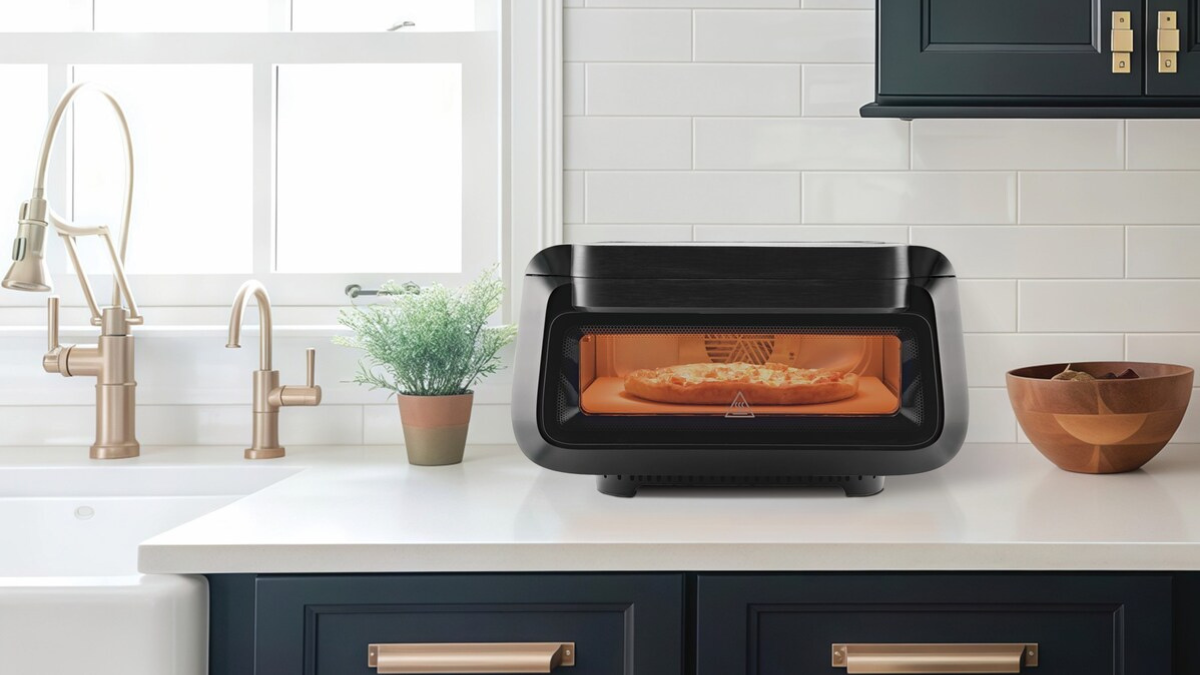
Making pizza at home has become easier as countertop and outdoor pizza ovens have become more accessible. Instead of relying on a standard kitchen oven, pizza enthusiasts can use a dedicated pizza oven designed to reach the high temperatures needed for fast cooking and crisp crusts. Frigidaire Pizza Ovens are among the options available to home cooks who want to bring a more specialized pizza-making experience into their kitchens or outdoor spaces.
A long-established home appliance brand with products ranging from refrigerators and cooking appliances to countertop kitchen equipment. Its pizza oven offerings are designed to make homemade pizza more convenient while providing features intended to help users achieve better cooking results.
What Is a Frigidaire Pizza Oven?
A dedicated appliance designed primarily for cooking pizza. Depending on the particular model, the oven may be intended for countertop or outdoor use and can provide higher cooking temperatures than a conventional household oven.
Traditional kitchen ovens are versatile, but they are not always optimized for pizza. A dedicated pizza oven focuses on the combination of intense heat and short cooking times that can produce a crisp exterior while keeping the interior of the crust tender.
Before purchasing, it is important to check the exact specifications of the model because features, fuel type, temperature range, dimensions, and installation requirements can vary between products.
Why Use a Dedicated Pizza Oven?
One of the biggest advantages of a dedicated pizza oven is temperature. Generally benefits from high heat because the intense cooking environment helps the dough develop a browned, crisp exterior in a relatively short period.
A conventional oven can certainly produce excellent pizza, especially when combined with a pizza stone or steel. However, a dedicated pizza oven is designed around the specific requirements of pizza preparation.
The higher heat can also reduce cooking time. Instead of waiting for a pizza to bake for a long period, a specialized oven can cook it much more quickly, depending on the style of pizza and the temperature used.
Design and Convenience
One appealing characteristic of modern pizza ovens is their compact and specialized design. Rather than occupying the same space as a full-size range, many pizza ovens are designed for dedicated countertop or outdoor use.
A compact design can make a pizza oven easier to incorporate into a kitchen or outdoor cooking area. However, buyers should still consider available counter or storage space before purchasing.
Convenience also depends on controls. It should make it relatively easy to monitor and adjust the cooking temperature. Some models may include features such as temperature controls, timers, viewing windows, interior lighting, or other tools intended to simplify the cooking process.
The exact features depend on the specific Frigidaire model, so consumers should review the product specifications carefully.
Temperature and Cooking Performance
Temperature is one of the most important characteristics of any pizza oven.
Different styles of pizza require different cooking approaches. A thin Neapolitan-style pizza, for example, is traditionally cooked at extremely high temperatures for a short period. Other styles, such as thicker pan pizzas, may benefit from lower temperatures and longer cooking times.
They can provide a more controlled environment than a basic household oven. The ability to select an appropriate temperature gives home cooks greater flexibility when experimenting with different dough recipes and toppings.
However, temperature alone does not guarantee excellent pizza. Dough hydration, fermentation, flour selection, topping quantity, cooking surface, and preparation technique all influence the final result.
Cooking Different Types of Pizza
A dedicated pizza oven can be used for more than one pizza style.
Thin-crust pizzas can benefit from high heat and quick cooking. The intense temperature can help produce a crisp underside while cooking toppings rapidly.
For thicker crusts, cooks may need to reduce the temperature and allow more time for the dough’s center to cook thoroughly.
Frozen pizza can also be prepared in some pizza ovens, although users should follow the instructions for the particular oven and pizza. A pizza oven may cook frozen products differently from a conventional oven because of its more concentrated heat.
Experimentation is part of the fun. Once users understand how their oven behaves, they can adjust temperature and cooking time according to the type of pizza they are making.
The Importance of the Pizza Stone or Cooking Surface
Many pizza ovens use a stone or specialized baking surface that helps transfer heat directly into the dough. A properly heated surface can help create a crisp bottom while the intense surrounding heat cooks the top.
Users should follow the manufacturer’s instructions when handling a pizza stone. Sudden temperature changes can damage some types of baking stones, so allowing the stone to heat and cool according to the recommended procedure is important.
It is also essential to keep the cooking surface reasonably clean. Excess flour, cheese, or toppings can burn and create smoke or unpleasant flavors during subsequent cooking.
Making Pizza Dough
This is only one part of making excellent homemade pizza. Dough preparation is equally important.
A basic pizza dough usually requires flour, water, yeast, salt, and sometimes olive oil. The dough should be mixed thoroughly and given sufficient time to ferment.
Longer fermentation can contribute to more developed flavor and texture, although the ideal process depends on the recipe.
When preparing dough for a high-temperature pizza oven, avoid adding excessive toppings. A heavily loaded pizza can be difficult to cook evenly, particularly when the cooking time is short.
Simple toppings often work extremely well. Tomato sauce, mozzarella, fresh herbs, vegetables, and a modest amount of meat can produce flavorful results without overwhelming the crust.
Preparing the Pizza for the Oven
Getting the uncooked pizza into the oven can be one of the more challenging parts of pizza making.
This is commonly used to transfer dough onto the hot cooking surface. Lightly dusting the peel with an appropriate material can help prevent sticking.
However, too much flour can burn on the cooking surface. The goal is to use enough to make easy to transfer without creating excessive residue.
It is also important to assemble the pizza relatively quickly. Dough sitting on the peel for too long can become difficult to slide into the oven.
For beginners, practicing the transfer technique with smaller pizzas can make the process easier.
Cooking and Rotating the Pizza
High-temperature pizza ovens can cook pizzas surprisingly quickly. This means the cook needs to pay attention throughout the process.
Depending on the oven’s design, one side of the pizza may brown faster than the other. Rotating the pizza during cooking can help produce more even results.
A pizza peel or turning tool can make this easier. With practice, users can learn to recognize visual cues such as bubbling cheese, browned crust edges, and a properly cooked underside.
Because cooking times can be short, leaving the oven unattended is generally not advisable.
Cleaning and Maintenance
Allow the appliance to cool completely before cleaning it. Users should follow the manufacturer’s instructions for removing food residue, ash, grease, or other debris.
A cooking surface should generally be handled carefully. Abrasive cleaning methods may damage certain materials.
If the oven is designed for outdoor use, weather protection can also be important. Keeping the appliance covered when it is not being used can help protect it from environmental exposure, although users should follow the storage recommendations provided with their particular model.
Good maintenance can help preserve both the appearance and functionality of the oven.
Frigidaire Pizza Oven for Entertaining
They can be especially useful for gatherings. Instead of preparing every pizza in advance, hosts can let guests choose toppings and cook pizzas individually.
This creates an interactive experience and allows everyone to customize their meal.
A pizza oven can also be used for family dinners. Children and adults can participate in preparing dough and selecting toppings, making pizza night more engaging than simply ordering delivery.
For larger gatherings, however, users should consider the oven’s cooking capacity and recovery time. A small oven may require pizzas to be cooked individually, which can take longer when serving many guests.
Advantages of a Frigidaire Pizza Oven
There are several reasons someone might consider.
Specialized cooking: The appliance is designed specifically for pizza rather than general oven cooking.
High heat: A dedicated pizza oven can provide the intense cooking environment needed for crisp crusts and fast cooking.
Convenience: A specialized appliance can make frequent pizza preparation easier.
Versatility: Depending on the model, users may be able to prepare different pizza styles and other foods.
Entertainment value: Pizza ovens can turn ordinary meals into interactive cooking experiences.
Tips for Better Results
Begin by thoroughly preheating it according to the manufacturer’s instructions.
Use a reliable dough recipe and avoid making the pizza excessively thick or heavily topped until you understand how the oven cooks.
Keep ingredients prepared before the oven reaches temperature. Once the dough is on the peel, work quickly.
Watch the pizza closely and rotate it when necessary. Keep notes about temperature and cooking time so you can improve future pizzas.
Most importantly, expect a learning period. The first few pizzas may not be perfect, but each attempt provides useful information about dough thickness, toppings, temperature, and timing.
Final Thoughts
They can be an appealing option for people who want to take homemade pizza beyond the limitations of a conventional oven. A dedicated pizza oven provides a specialized high-temperature cooking environment that can help produce crisp crusts, bubbling toppings, and fast cooking times.
The appliance itself is only part of the equation, however. Great pizza also depends on good dough, quality ingredients, appropriate toppings, proper preheating, and careful cooking technique.
For casual pizza lovers, a dedicated oven can make pizza night more convenient and enjoyable. For enthusiastic home cooks, it can become the centerpiece of a broader outdoor or indoor cooking setup.