Home security has become an increasingly important part of modern living. As smart-home technology continues to develop, security cameras are no longer limited to expensive professional surveillance systems. Homeowners can now install compact cameras that provide remote monitoring, motion detection, night vision, and other useful features through a smartphone.
One brand that has become widely recognized in the smart-home camera market is Tapo. Tapo offers a variety of security cameras designed for indoor and outdoor use, giving users different options depending on their home, budget, and monitoring needs.
But what should you know before choosing a Tapo security camera? This guide explores the main features, benefits, setup process, and factors to consider when selecting a Tapo camera for your home.
What Is a Tapo Security Camera?
A smart-home product line from TP-Link. Its security cameras are designed to provide convenient video monitoring through connected devices such as smartphones and tablets.
Rather than requiring a complicated dedicated surveillance system, many Tapo cameras can be configured through the Tapo mobile application. Once connected, users can view camera footage, receive notifications, and manage supported features remotely.
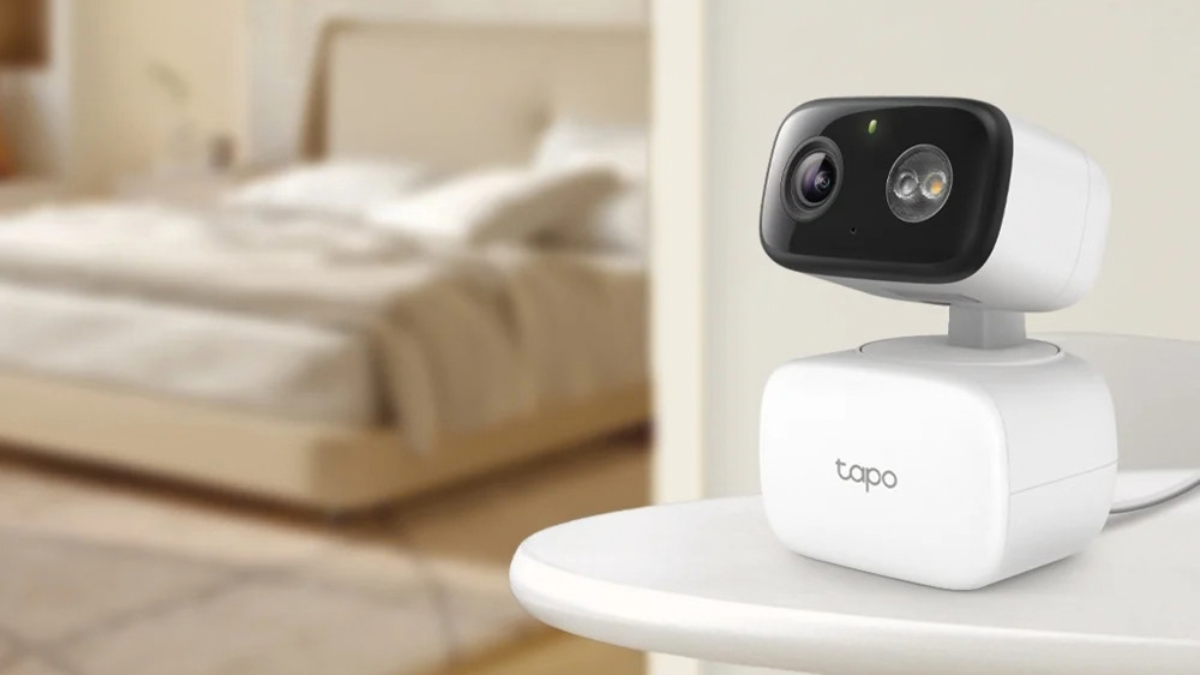
The product range includes indoor cameras, outdoor cameras, pan-and-tilt models, and cameras with additional smart-home capabilities.
Why Use a Tapo Security Camera?
The main purpose of a security camera is to provide visibility around your property. A camera can help you monitor entrances, living spaces, garages, gardens, or other areas where you want an additional layer of awareness.
Tapo cameras can also be useful for purposes beyond security. Depending on the model, they may allow homeowners to check on children, pets, deliveries, or other activities while they are away.
Because many functions can be controlled through a smartphone app, users do not necessarily have to be physically present at home to check the camera.
High-Resolution Video
Many Tapo cameras are available with high-resolution video capabilities. Higher resolution can make details easier to distinguish, which can be useful when identifying objects or viewing activity around your home.
When selecting a camera, however, resolution should not be the only consideration. Lighting, camera placement, lens quality, network performance, and image processing can also affect the actual viewing experience.
Night Vision
Night vision is particularly important for security cameras because many incidents can occur after dark.
Compatible Tapo models use infrared technology to provide visibility in low-light conditions. This allows users to monitor areas even when there is little or no visible light.
The effective range and quality of night vision vary between models, so users should check the specifications of the particular camera they are considering.
Motion detection can help reduce the need to continuously monitor a live video feed.
When supported, the camera can detect movement and send an alert through the Tapo application. This allows users to check what triggered the notification.
Some Tapo cameras also provide more advanced detection capabilities. Depending on the model, these may include detection of people, vehicles, pets, or other activity.
Two-Way Audio
Two-way audio allows users to communicate through the camera using a built-in microphone and speaker.
This can be useful for speaking to family members, checking on pets, communicating with someone at the door, or responding to activity around the home.
The usefulness of this feature depends on the camera’s microphone and speaker quality as well as the user’s internet connection.
Indoor and Outdoor Tapo Cameras
One of the most important decisions when purchasing a security camera is whether it will be installed indoors or outdoors.
Indoor Cameras
Indoor Tapo cameras are generally designed for monitoring rooms and enclosed spaces. They can be useful for living rooms, bedrooms, nurseries, offices, and other areas.
Pan-and-tilt models can provide a wider viewing area by allowing the camera to move horizontally and vertically. This can reduce blind spots compared with a fixed camera.
Outdoor cameras are designed to withstand environmental conditions that indoor models are not intended to handle.
If you need to monitor a driveway, garden, gate, balcony, or entrance, an outdoor-rated model may be more appropriate.
Before installation, users should check the specific weather-resistance rating and recommended mounting conditions for the camera.
Storage Options
Video storage is another important consideration.
Depending on the Tapo model and configuration, users may have access to local storage, cloud-based storage, or both.
Local storage can provide a way to save recordings without relying entirely on a cloud service. Cloud storage, where available, can offer convenient access to recordings from connected devices.
Storage requirements depend on factors such as video resolution, recording duration, motion frequency, and retention preferences.
Before purchasing, it is worth checking exactly which storage options are supported by the model you are considering and whether additional subscriptions or storage hardware are required.
One of the attractions is relatively straightforward installation.
The general process involves installing the Tapo application, connecting the camera to your network, following the setup instructions, and positioning the camera where it can provide the desired coverage.
Users should place the camera carefully. A camera positioned too high, too low, or behind an obstruction may not provide useful footage.
For outdoor cameras, it is also important to consider weather exposure, power availability, Wi-Fi coverage, and physical security.
Privacy and Security Considerations
Smart security cameras provide valuable monitoring capabilities, but they also involve privacy considerations.
Because cameras can capture images and conversations inside or around a property, users should take reasonable steps to secure their accounts and devices.
Using strong, unique passwords and keeping the camera’s firmware and associated applications updated are important security practices.
Users should also consider where cameras are positioned. Cameras should be installed in appropriate locations that respect the privacy of household members, guests, neighbors, and other people who may be recorded.
Choosing the Right Tapo Camera
There is no single Tapo camera that is ideal for every situation.
Start by determining where you need surveillance. For a bedroom or living room, an indoor camera may be sufficient. For a driveway or garden, an outdoor model may be more appropriate.
Next, consider the features you actually need. If you want to monitor a large room, pan-and-tilt functionality may be useful. If nighttime monitoring is important, pay close attention to night-vision specifications.
Resolution, motion detection, two-way audio, storage options, smart-home compatibility, and connectivity should also be considered.
It is usually better to choose a camera based on your specific requirements rather than simply selecting the model with the largest number of features.
Final Thoughts
They offer a convenient way to add smart monitoring to a home or small property. With features such as high-resolution video, night vision, motion detection, two-way communication, and smartphone access, they can provide useful visibility without requiring a traditional professional surveillance installation.
The right camera depends on where it will be installed and what you want it to accomplish. Indoor users may benefit from compact or pan-and-tilt models, while outdoor users should prioritize weather resistance, suitable night vision, and reliable connectivity.
It is also important to consider storage, privacy, account security, and network performance before installation.
For homeowners looking to introduce smart monitoring into their everyday routines, a Tapo security camera can be part of a practical connected-home setup. By choosing the appropriate model and installing it carefully, users can gain a convenient way to check important areas of their property from wherever they are.