A popular practice that combines physical movement, flexibility, balance, breathing, and mindfulness. Whether practiced at home, in a fitness studio, or outdoors, yoga can help people develop body awareness and establish a regular wellness routine. However, some poses may feel challenging, especially for beginners who are still developing flexibility and balance. Using supportive accessories can make these movements more accessible, and the Gaiam Yoga Block is a useful tool for this purpose.
Designed to provide additional support during yoga sessions, it helps users adjust their reach, improve positioning, and maintain stability in selected poses. Depending on the model, it may feature lightweight foam construction, beveled edges, or a cork design. These characteristics make it a practical accessory for beginners and experienced practitioners alike.
Design and Build Quality
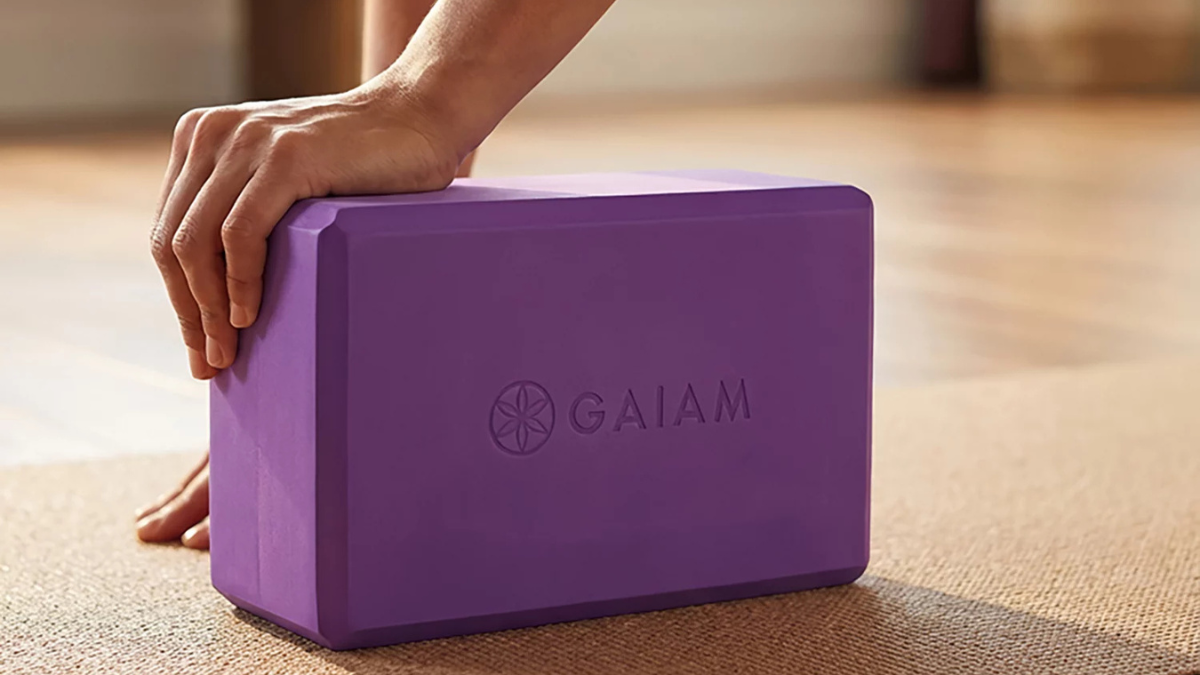
This is designed to provide a stable surface that users can rely on during different yoga poses. Many Gaiam blocks feature a rectangular shape that allows them to be positioned on different sides, providing several height options depending on the movement.
Foam models are generally lightweight and easy to carry between home, the gym, and yoga classes. Their portability makes them convenient for people who practice in different locations or prefer to keep their equipment organized in a small storage area.
Some Gaiam yoga blocks are made from cork, offering a different feel and weight compared with foam alternatives. The best choice depends on personal preferences, the type of yoga being practiced, and the level of firmness desired.
The block’s overall dimensions and material vary by product. Before purchasing, users should check the specifications to ensure that the selected model suits their needs.
Material plays an important role in the performance of a yoga block. They offers foam blocks that are designed to be lightweight and comfortable to handle. Their relatively soft surface can make them suitable for general yoga practice, stretching, and supported positions.
Many foam models feature beveled edges that make the block easier to grip and reposition. These edges can also feel more comfortable against the hands during movements where the block supports part of the body’s weight.
Cork yoga blocks provide a firmer alternative. Their denser construction may appeal to users who prefer a more solid surface for balance and support. However, cork blocks are usually heavier than foam versions.
Regardless of the material, users should check that the block is clean and dry before exercising. Sweat, moisture, and uneven flooring can affect stability. A yoga block should always be placed on a secure surface before pressure is applied.
Improving Flexibility and Reach
One of the main advantages of a yoga block is that it helps bring the floor closer to the user. Some yoga poses require reaching toward the ground, which may be difficult for people with limited flexibility or tight muscles.
For example, during a standing forward fold, a practitioner may place blocks beneath the hands to provide support without forcing the body into an uncomfortable position. This modification can help the user maintain a more manageable posture while gradually developing flexibility.
It can also assist with poses such as Triangle Pose, where a block placed beside the front foot provides a surface for the lower hand to rest on. The appropriate height depends on the person’s proportions, comfort, and technique.
Supporting Balance and Stability
Balance is an important part of yoga, particularly in standing poses and movements that require coordinated body positioning. A yoga block can provide support when a pose becomes difficult to maintain.
In poses such as Half Moon Pose, a block placed beneath the supporting hand may help some practitioners maintain a more comfortable position while concentrating on balance. The additional height can reduce the need to reach excessively toward the floor.
Blocks may also be used in modified versions of other poses when recommended by a qualified instructor. However, they should not be treated as a substitute for proper technique or used in ways that create unstable pressure points.
The Gaiam Yoga Block can therefore be a helpful accessory for practitioners who want to explore balance-related poses at an appropriate level of difficulty.
5. Encouraging Better Alignment
Proper alignment helps practitioners position their bodies more comfortably during yoga movements. A block can make certain poses easier to understand by providing a stable reference point for the hands, hips, or other supported areas.
For example, a block placed between the thighs during selected bridge or standing exercises may provide a useful cue for controlled movement. In seated poses, a block beneath the hips can raise the pelvis and may make it easier for some people to sit comfortably with a more upright torso.
The benefits depend on the pose and the individual. Not every movement requires a block, and incorrect placement may make a pose less comfortable rather than more effective.
Following instructions from a qualified yoga teacher can help users understand when a block is appropriate and how to position it safely.
Benefits for Beginners and Experienced Practitioners
The Gaiam Yoga Block can be useful for people at different stages of their yoga journey.
Beginners may appreciate the additional support because it allows them to modify poses without immediately needing a high level of flexibility. A block can also help reduce the temptation to force a stretch beyond a comfortable range.
Intermediate practitioners may use blocks to explore variations of familiar poses or work on alignment. Experienced yogis can incorporate them into restorative sequences, mobility routines, and selected balance exercises.
Yoga blocks are also useful for gentle stretching outside traditional yoga sessions. Depending on the movement, they may provide support during seated stretches, hip-opening exercises, and relaxation poses.
However, users should avoid placing a block beneath areas that require specialized support unless they have been taught how to do so safely.
Comfort and Versatility
A useful yoga accessory should be easy to incorporate into different routines. The rectangular design of the Gaiam Yoga Block makes it adaptable to several positions.
Standing it on its narrow edge provides a different height from placing it on its broad side. This flexibility allows users to adjust the level of support without needing multiple blocks of different sizes.
Foam blocks are particularly convenient for transporting to classes, while cork models may appeal to people who prefer a denser accessory for home practice.
Beyond yoga, a block can sometimes be used as a positioning aid during gentle mobility work or guided stretching. Nevertheless, it is not designed to function as a step stool, a weight-training platform, or a substitute for specialized rehabilitation equipment.
Potential Limitations
First, foam and cork blocks have different characteristics. Foam models may feel softer and lighter, while cork models are firmer and heavier. Neither material is automatically the best choice for every practitioner.
Second, a single block may not provide sufficient support for every pose. Some movements benefit from using two blocks, particularly when support is needed on both sides of the body.
Third, a block cannot replace instruction, strength, or flexibility. Users still need to learn proper technique and avoid movements that cause pain. Those with injuries or specific physical limitations may benefit from guidance from an appropriately qualified professional.
Finally, price, dimensions, material, and firmness vary between models. Comparing the available options can help ensure that the selected block meets the user’s expectations.
Cleaning and Maintenance
Maintaining a yoga block is relatively straightforward. Regular cleaning helps remove sweat, dust, and other residue that can accumulate during exercise.
Users should follow the manufacturer’s cleaning instructions for their particular material. A suitable gentle cleaning method and a soft cloth are generally preferable to harsh chemicals that could damage the surface.
After cleaning, allow the block to dry completely before storing it. Keeping it in a dry, ventilated location can help preserve its condition.
It is also useful to inspect the block periodically for cracks, crumbling foam, or other damage that could affect stability. A damaged block should be replaced if it can no longer provide reliable support.
Conclusion
The Gaiam Yoga Block is a practical accessory for people who want to make their yoga practice more adaptable and comfortable. Its potential benefits include improved reach, additional support, greater versatility, and assistance with selected balance and alignment exercises.
Lightweight foam models may appeal to beginners and people who travel to yoga classes, while cork versions offer a firmer alternative. The best option depends on individual preferences, intended use, and the characteristics of the specific model.
Although a yoga block does not replace proper instruction or consistent practice, it can help users modify poses to suit their current abilities. By choosing the right material, learning appropriate placement, and maintaining the block carefully, practitioners can make it a valuable part of their yoga routine.