Keeping fish healthy requires consistent feeding, clean water, and a suitable aquarium environment. However, feeding fish at the same time every day can be challenging for people with busy schedules, work commitments, or frequent travel. An automatic fish feeder can help simplify this routine by dispensing food at scheduled intervals. The Freesea Fish Feeder is an option for aquarium owners who want to make daily fish care more convenient.
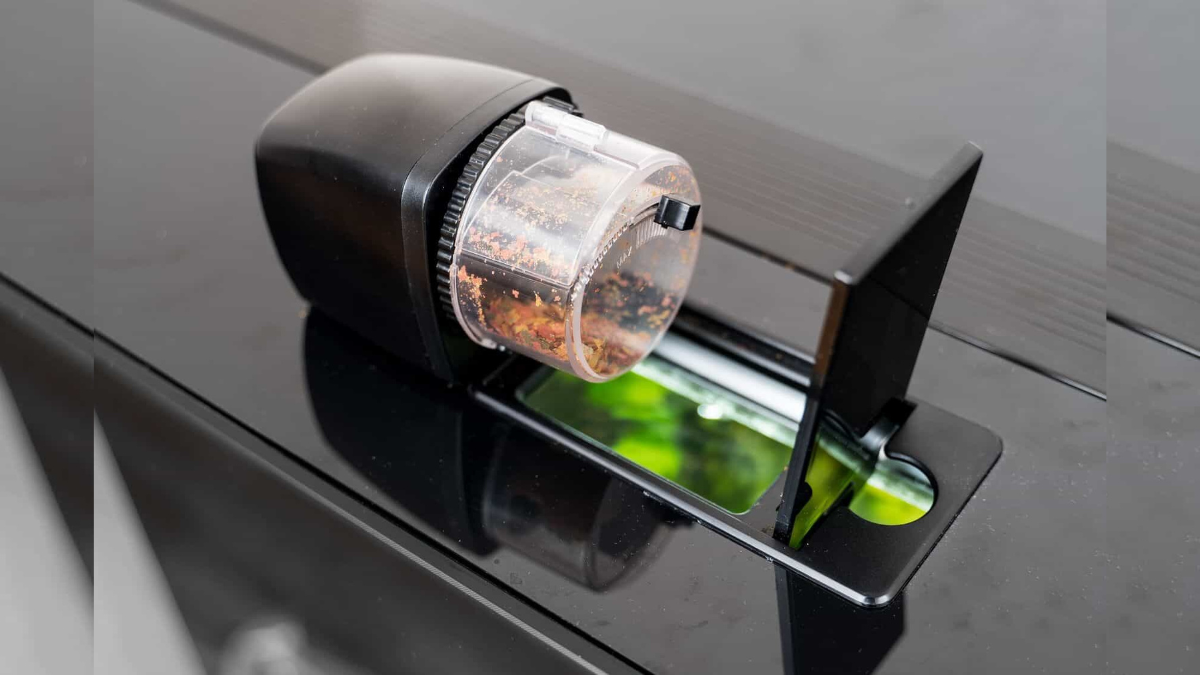
Automatic fish feeders are designed to reduce the need for manual feeding by releasing measured amounts of fish food according to a preset schedule. Depending on the specific model, features may include adjustable feeding times, portion controls, a food container, and a mounting system for attaching the device to an aquarium.
This is an aquarium accessory intended to help automate the process of feeding fish. Instead of relying entirely on manual feeding, an automatic feeder dispenses food at selected times, helping maintain a more consistent feeding schedule.
This type of device can be useful for freshwater aquariums, community tanks, and other compatible fish-keeping setups. However, compatibility depends on the particular feeder model, the aquarium’s design, and the type of food being used.
Automatic feeders are particularly appealing to beginners who want to establish a regular routine and experienced aquarium enthusiasts who maintain several tanks. They may also be helpful for people who occasionally need to leave home for short periods.
Key Features to Consider
1. Automatic Feeding Schedule
One of the main advantages of an automatic fish feeder is the ability to dispense food at scheduled times. Rather than remembering every feeding session, the aquarium owner can set the feeder according to the device’s available controls.
A consistent schedule can help establish predictable feeding habits. It is especially useful for people who leave home early, return late, or have changing daily routines.
However, the number of available feeding times and the scheduling options depend on the specific model. Buyers should confirm these details before making a purchase.
Portion control is an important consideration when choosing an automatic fish feeder. Fish generally need only an appropriate amount of food for their species, size, age, and activity level.
If the feeder releases too much food, uneaten particles may accumulate in the aquarium. This can contribute to poor water quality and increase maintenance requirements. Too little food, on the other hand, may not meet the fish’s nutritional needs.
An adjustable dispensing mechanism can help users regulate the amount released during each feeding. Even with portion controls, owners should test the feeder before relying on it and observe how much food their fish actually consume.
3. Food Storage Container
The food container holds the supply that the feeder releases during scheduled feeding sessions. Its capacity determines how often it needs to be refilled.
A larger container may be convenient for owners who want to reduce frequent refilling, while a smaller container may be sufficient for a small aquarium or a short-term feeding schedule.
Capacity alone should not determine which feeder to buy. Fish food must also remain dry and suitable for consumption. Humidity can cause some foods to clump or become difficult to dispense, so the container should be checked regularly.
4. Mounting and Installation
An automatic feeder needs to remain securely positioned above the aquarium or at the designated feeding point. Depending on the design, it may attach to the aquarium rim, sit on a support, or use another mounting arrangement.
Before installation, check whether the device fits the aquarium’s edges and lid. A tank with a tightly fitted cover may require a different setup from an open-top aquarium.
The feeder should also be positioned so that food reaches the intended area of the water. A poorly positioned device may release food onto a lid, into a filter compartment, or outside the tank.
5. Simple Operation
Straightforward controls can make an automatic feeder easier to use, especially for first-time aquarium owners. A clear setup process helps users select feeding times, adjust portions, and refill the container without unnecessary difficulty.
Before using the feeder regularly, read the instructions and perform several supervised test feedings. This helps confirm that the controls are set correctly and that the device releases food as expected.
Benefits of Using the Freesea Fish Feeder
Greater Convenience
The most obvious benefit of an automatic feeder is convenience. Aquarium owners no longer need to be physically present for every scheduled feeding, provided the device is functioning correctly and has sufficient food and power.
This can be useful during busy weekdays, long workdays, or other situations when feeding at a fixed time is difficult.
More Consistent Feeding
Fish can benefit from a regular feeding routine appropriate to their species. An automatic feeder can help maintain consistency by dispensing food according to its programmed schedule.
Nevertheless, the schedule should match the needs of the fish. Some species require different feeding frequencies, and not every aquarium should follow the same routine.
Helpful for Busy Aquarium Owners
People who manage work, school, family responsibilities, or multiple aquariums may find automatic feeding useful. A feeder can reduce the number of daily tasks that require direct attention.
For owners with several tanks, automation may also help organize feeding routines. Each aquarium should still be monitored individually because fish populations, food requirements, and water conditions can vary.
Support During Short Absences
An automatic feeder can provide additional convenience when an owner is away for a short period. However, it should not be treated as a complete replacement for aquarium care.
Fish still depend on suitable water conditions, functioning filtration, stable temperatures, and appropriate observation. Before leaving, test the feeder and ensure the aquarium equipment is operating properly. Longer absences may require someone to inspect the tank and respond to problems.
How to Use the Freesea Fish Feeder Properly
Using an automatic feeder effectively involves more than filling the container and switching it on. A few preparation steps can help reduce feeding problems.
Step 1: Check compatibility. Confirm that the feeder is suitable for your aquarium and the food you intend to use. Read the instructions for mounting and operation.
Step 2: Install the device securely. Position the feeder according to the manufacturer’s guidance. Make sure it is stable and that food can enter the aquarium without obstruction.
Step 3: Add suitable fish food. Use food appropriate for the species in your tank. Check that the pellets or granules can pass through the dispensing mechanism.
Step 4: Set the feeding schedule. Select feeding times that fit the fish’s normal care routine and the feeder’s available settings.
Step 5: Adjust the portion. Begin with a conservative amount and observe the results. Avoid assuming that the largest dispensing setting is best.
Step 6: Test the feeder. Watch several feeding cycles before relying on the device unattended. Check that it dispenses food reliably and that the amount is appropriate.
Step 7: Monitor the aquarium. Continue observing fish behavior, leftover food, and water quality. Adjust the feeding amount or schedule when necessary.
Maintenance Tips for Better Performance
Regular maintenance can help an automatic feeder operate more reliably.
First, inspect the food container and dispensing opening for dust, moisture, or clumps. Clean the unit according to the manufacturer’s instructions, ensuring that electrical components are not exposed to water.
Second, refill the container before it becomes empty, but avoid storing food in it longer than necessary. Keep replacement food in a cool, dry location and check its expiration date.
Third, inspect the mounting system to ensure the feeder remains secure. Accidental movement could cause food to miss the water or interfere with the dispensing process.
If the feeder uses batteries, check their condition regularly and replace them as recommended. If it uses another power source, verify that its connections and operating requirements are being followed.
Finally, perform periodic test feedings, particularly before a trip. Never assume that the device is working correctly simply because it operated successfully the previous day.
Is the Freesea Fish Feeder Worth Buying?
It may be worth considering for aquarium owners who want a convenient way to maintain regular feeding times. Its suitability depends on the exact model, the size of the aquarium, the fish species, and the owner’s budget.
For beginners, an automatic feeder may simplify a daily routine and encourage more consistent feeding. Experienced fish keepers may appreciate the convenience when managing busy schedules or multiple tanks.
However, buyers should compare the feeder’s capacity, controls, power requirements, installation method, and compatibility with their preferred food. It is also sensible to read recent customer reviews and verify the product specifications before purchasing.
A feeder is most useful when it complements responsible fish care rather than replacing it. Even a well-designed device cannot determine whether fish are ill, detect every water-quality problem, or respond to unexpected aquarium equipment failures.
Conclusion
The Freesea Fish Feeder is an option for fish keepers seeking a more convenient and consistent feeding routine. Automatic feeding can help reduce the burden of remembering every meal, support regular schedules, and provide additional flexibility during busy days.
Its practical value depends on choosing the correct model, setting suitable food portions, installing it properly, and maintaining it regularly. Owners should test the feeder before relying on it and continue monitoring their fish and aquarium conditions.