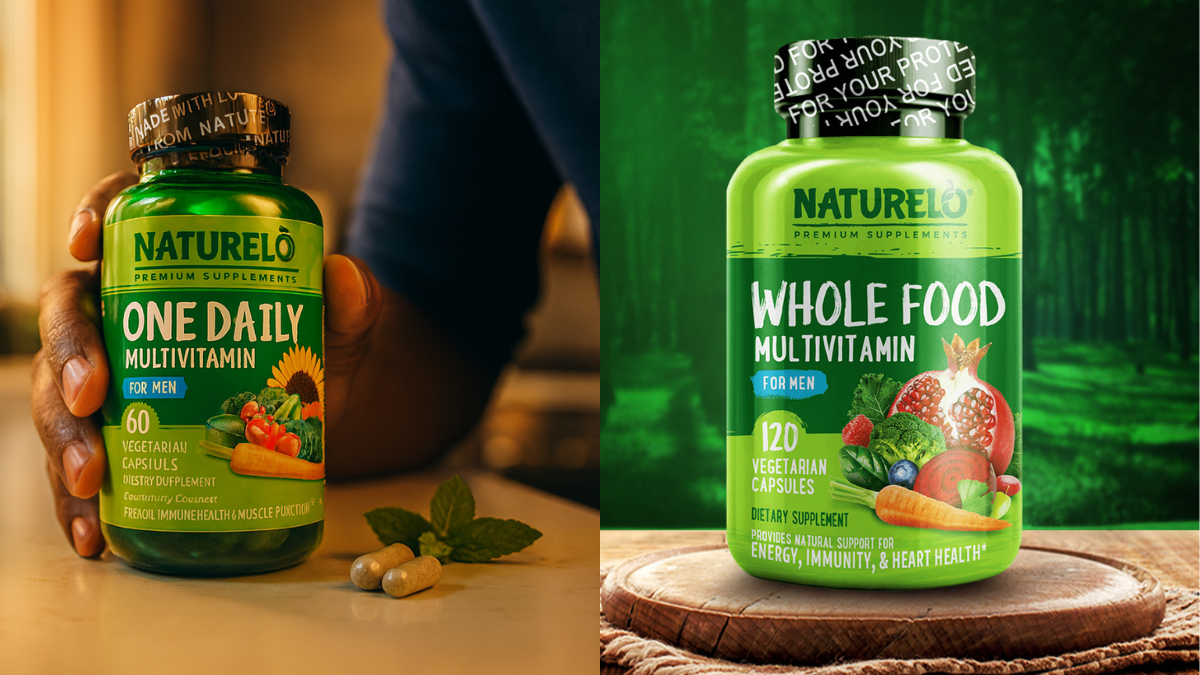
In a world where dietary gaps are increasingly common, multivitamins have become a staple in many people’s daily routines. Among the numerous brands available today, NATURELO stands out for its commitment to clean, plant-based, and whole-food-derived supplements. Unlike conventional multivitamins that rely heavily on synthetic ingredients, they emphasizes nutrients sourced from real fruits, vegetables, and botanicals. This approach appeals to health-conscious consumers looking for more natural ways to support their nutritional needs.
🌱 What Makes NATURELO Multivitamins Different?
At its core, NATURELO’s philosophy revolves around whole-food nutrition. Instead of using isolated synthetic vitamins, the brand incorporates nutrients derived from plant sources such as organic fruits and vegetables.
For example:
- Vitamin C may come from acerola cherries
- Vitamin D3 can be sourced from lichen (a plant-based alternative to lanolin)
- Minerals are often chelated for better absorption
This whole-food approach is designed to make nutrients more recognizable to the body, potentially improving bioavailability—the rate at which nutrients are absorbed and utilized.
Another defining feature is the absence of common additives. These are typically:
- Non-GMO
- Gluten-free
- Soy-free
- Free from artificial colors and preservatives
For individuals with dietary sensitivities or those pursuing a “clean label” lifestyle, these characteristics are particularly appealing.
🧪 Ingredient Profile and Nutritional Coverage
These are formulated to provide a broad spectrum of essential nutrients, including:
- Vitamins: A, C, D, E, K, and the full B-complex
- Minerals: Calcium, magnesium, zinc, selenium, iodine, and more
- Plant-based blends: Extracts from fruits, vegetables, and herbs
One standout feature is the inclusion of a fruit and vegetable blend, which may contain ingredients like spinach, kale, blueberries, carrots, and beets. These are not present in large enough amounts to replace whole foods but serve as an added nutritional bonus.
The formulas are often tailored to specific groups:
- Men’s multivitamins (with higher zinc and selenium)
- Women’s multivitamins (with iron and folate)
- Multivitamins for seniors (with enhanced vitamin D and B12)
This targeted approach helps address varying nutritional needs across different demographics.
💪 Potential Health Benefits
1. Filling Nutritional Gaps
Even with a balanced diet, it can be challenging to meet all daily nutrient requirements. It help bridge these gaps, ensuring adequate intake of essential vitamins and minerals.
2. Supporting Energy Levels
B vitamins—particularly B12 and B6—play a crucial role in energy metabolism. They includes these in bioactive forms, which may help reduce fatigue and support overall vitality.
3. Immune System Support
Nutrients such as vitamin C, vitamin D, and zinc are essential for immune health. Regular supplementation may help strengthen the body’s natural defenses, especially during periods of stress or illness.
4. Bone and Joint Health
Calcium, magnesium, and vitamin D contribute to strong bones and proper muscle function. This is especially beneficial for aging individuals or those with low dietary intake of these nutrients.
The inclusion of plant-based ingredients provides antioxidants that help combat oxidative stress, which is linked to aging and chronic diseases.
⚖️ Pros and Cons
✅ Advantages
- Whole-food-based ingredients for a more natural approach
- Clean label with minimal additives
- Tailored formulas for different age groups and genders
- Plant-based options, suitable for vegans and vegetarians
- High-quality sourcing and transparency
❌ Potential Drawbacks
- Higher cost compared to standard multivitamins
- Requires taking multiple capsules per day (often 4)
- Whole-food claims may be overstated, as nutrients are still processed
- Not a substitute for a balanced diet
🆚 NATURELO vs. Traditional Multivitamins
Traditional multivitamins often rely on synthetic forms of nutrients such as ascorbic acid (vitamin C) or cyanocobalamin (vitamin B12). While these are effective and widely used, some consumers prefer naturally derived alternatives.
They attempts to bridge this gap by offering:
- Naturally sourced nutrients
- Bioactive forms (e.g., methylated B vitamins)
- Additional plant compounds
However, it’s important to note that scientific evidence does not always show a significant difference in effectiveness between natural and synthetic vitamins. The main advantage lies in consumer preference and tolerability rather than guaranteed superior outcomes.
🧠 Who Should Consider NATURELO?
It may be a good fit for:
- Individuals following plant-based diets
- People with dietary restrictions or sensitivities
- Health-conscious consumers seeking clean-label supplements
- Those willing to invest in premium-quality vitamins
On the other hand, they may not be necessary for:
- Individuals with a well-balanced diet and no deficiencies
- Those looking for a budget-friendly option
- People who prefer once-daily tablets
⚠️ Safety and Usage Considerations
While multivitamins are generally safe, it’s important to use them responsibly.
- Follow dosage instructions carefully
- Avoid combining with other supplements that contain the same nutrients
- Consult a healthcare provider if you are pregnant, nursing, or taking medications
Excessive intake of certain vitamins—especially fat-soluble ones like A, D, E, and K—can lead to toxicity over time.
🌍 Final Thoughts
NATURELO multivitamins represent a modern approach to supplementation, combining traditional nutrient science with a growing demand for natural and plant-based products. Their emphasis on whole-food sourcing, clean ingredients, and targeted formulations makes them a strong contender in the premium supplement market.
However, they are not a magic solution. Like any supplement, their effectiveness depends on individual needs, lifestyle, and overall diet. For many people, they can serve as a valuable addition to a healthy routine—but they should never replace whole, nutrient-rich foods.
Ultimately, choosing the right multivitamin comes down to personal priorities. If you value natural sourcing, transparency, and comprehensive formulas, this is worth considering. If your main goal is affordability and convenience, other options may be more suitable.